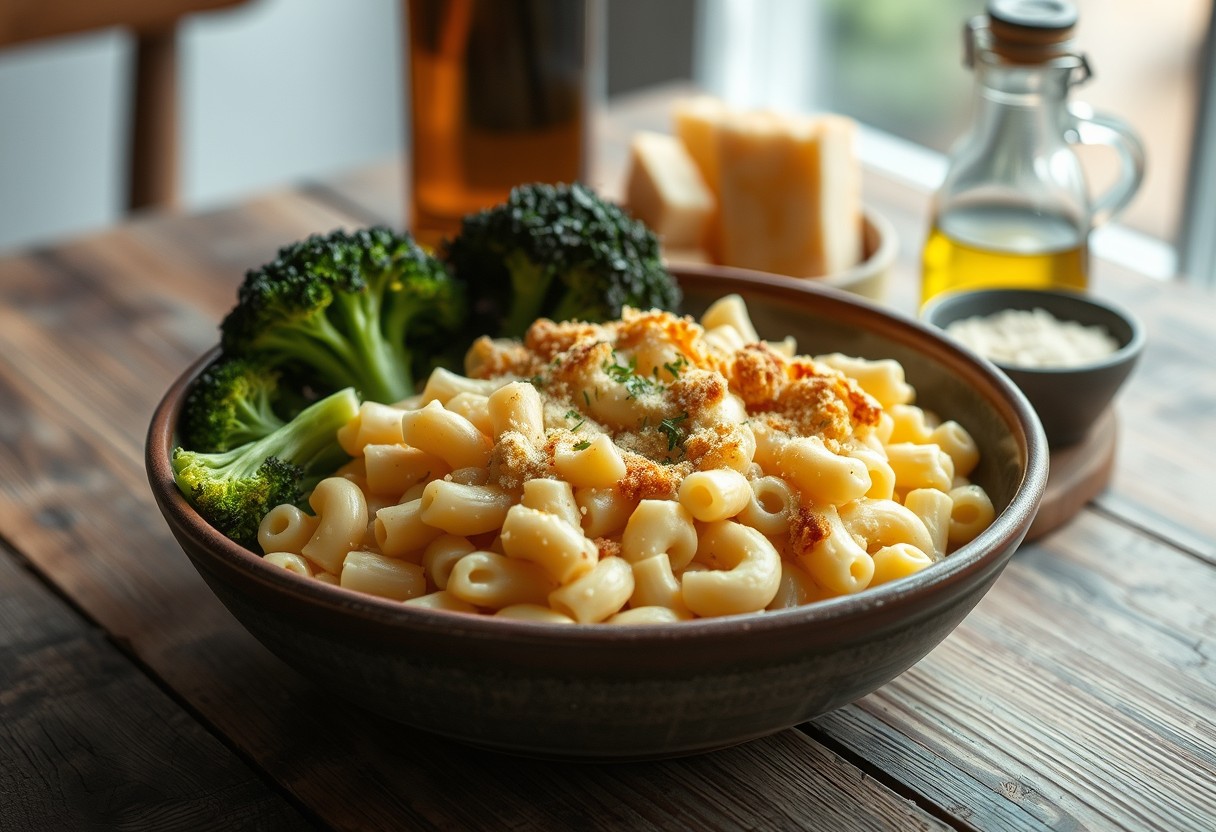
You can enjoy your favorite comfort dishes while supporting better health by making strategic changes that preserve flavor, texture, and emotional satisfaction. The key is not eliminating what makes these foods comforting but refining how they’re made. Swapping dangerous ingredients like processed fats and excess sugar with nutrient-rich alternatives lets you keep the soul of the dish. With the right approach, every bite stays satisfying-without the negative impact on your well-being.
Key Takeaways:
- A healthier comfort food starts with smart ingredient swaps that mimic the original’s richness-like using pureed cauliflower in mac and cheese to cut dairy while maintaining creaminess.
- Cooking methods matter just as much as ingredients-baking, air-frying, or grilling can replicate the satisfying crispness of fried foods without excess oil.
- Boosting flavor with herbs, spices, and umami-rich ingredients such as mushrooms or low-sodium soy sauce keeps the dish deeply satisfying without relying on salt, sugar, or fat.
Identifying the Essential Factors of Comfort Food
Analyze what truly defines your favorite comfort dishes beyond just taste. Emotional connection often ties directly to specific textures, aromas, and flavor memories formed over time. You crave more than flavor-you seek a sensory experience rooted in nostalgia. By isolating these core elements, you preserve the soul of the dish while opening the door to healthier adaptations that still feel familiar and satisfying.
- Emotional connection drives cravings as much as taste
- Nostalgic flavors shape expectations for authenticity
- Sensory experience includes aroma, texture, and temperature
- Familiarity is key to maintaining comfort food character
Pinpointing the Core Identity of the Dish
You can’t improve a dish without knowing what makes it memorable in the first place. Think about why mac and cheese or chicken pot pie comforts you-is it the warmth, the richness, or the creamy consistency? The core identity often lies in a single dominant element, like the golden crust on a casserole or the melt-in-your-mouth tenderness of slow-cooked meat. Identifying this anchor ensures your lighter version still delivers emotional satisfaction.
Analyzing Flavor Profiles and Aromas
Smell and taste work together to trigger deep-seated memories tied to comfort. Consider how the sizzle of garlic in butter or the scent of cinnamon in baked apples instantly evokes warmth and safety. These aromatic cues are non-negotiable in recreating authenticity. You need to preserve or replicate these signature notes-whether savory, sweet, or umami-rich-even when adjusting ingredients, so the dish still feels genuinely comforting on a psychological level.
How-to Master Healthier Ingredient Substitutions
Replacing Refined Carbs with Complex Alternatives
Switching out white pasta, bread, or rice for whole grain or legume-based versions increases fiber and sustains fullness without sacrificing texture. You’ll notice brown rice in a creamy casserole or whole wheat pasta in baked ziti holds up remarkably well, maintaining the hearty base you expect. Replacing refined carbs reduces blood sugar spikes while keeping the dish’s original structure intact. Over time, your palate adapts, and the nuttier taste of complex grains becomes a welcome enhancement, not a compromise.
Selecting Lean Proteins and Plant-Based Fats
Opting for skinless poultry, legumes, or tofu instead of fatty meats cuts saturated fat while preserving protein content and satisfaction. You can still achieve rich mouthfeel by using mashed beans or lentils in shepherd’s pie filling or blending mushrooms into ground turkey for tacos. Plant-based fats like avocado, olive oil, and nuts contribute heart-healthy monounsaturated fats without dulling flavor. These swaps integrate seamlessly, offering a more balanced profile without altering the dish’s essence.
Tips for Healthier Cooking Techniques That Preserve Character
- Use roasting to develop rich browning and crispness without deep-frying
- Try air-frying for a fraction of the oil with similar textural results
- Choose slow cooking to build depth of flavor over time
- Prioritize high-heat methods to trigger the Maillard reaction
- Allow proper spacing on baking sheets to ensure even caramelization
Achieving Crispness Without Deep-Frying
You can replicate the satisfying crunch of fried foods by using dry-heat techniques like roasting or air-frying. These methods remove moisture from the surface while promoting golden browning, giving you that sought-after texture with just a fraction of the oil. Toss vegetables or proteins in a light coating of oil and seasonings, then spread them evenly on a tray to avoid steaming. The result is a crisp exterior that preserves the soul of your favorite comfort dishes without the heaviness.
Utilizing Slow Cooking for Depth of Flavor
Long, slow cooking at low temperatures allows flavors to meld and intensify naturally, creating a rich, complex base for stews, sauces, or braised dishes. You don’t need excess fat to achieve depth-instead, rely on time and consistent heat to break down connective tissues and release natural sugars. This method enhances savory notes and produces tender results, maintaining the comforting essence of classic recipes. A well-layered dish built this way delivers satisfaction in every bite, even with healthier ingredients.
Enhancing Texture and Mouthfeel with Smart Additions
Creaminess in comfort food doesn’t require heavy dairy or excess fat when you use the right plant-based foundations. Blending cooked cauliflower, sweet potato, or butternut squash into sauces delivers a velvety consistency that closely mimics full-fat bases, without compromising flavor. These vegetable purees integrate seamlessly into mac and cheese, soups, or mashed sides, providing natural thickness and added nutrients. When used strategically, they maintain the indulgent mouthfeel you expect while significantly reducing saturated fat content.
Creating Creamy Bases Using Legumes and Vegetables
Legumes like white beans, lentils, and peas are powerful thickeners that add both texture and nutritional value to creamy dishes. When blended smooth, cannellini beans create a rich, neutral base for alfredo-style sauces or creamy soups, replicating the body of heavy cream. Their mild flavor absorbs seasonings well, ensuring the final dish stays true to its original character. Unlike artificial substitutes, these whole-food ingredients contribute fiber and protein, making your comfort meals more satisfying and balanced without sacrificing silkiness.
Adding Crunch and Contrast with Seeds and Nuts
Nuts and seeds can transform the sensory experience of lighter comfort dishes by introducing a satisfying crispness. A sprinkle of toasted almonds, pumpkin seeds, or crushed walnuts over a creamy casserole or soup adds textural contrast that mimics fried toppings or buttered breadcrumbs. These additions bring depth and complexity while contributing healthy fats and protein. The key is to toast them lightly, enhancing their natural richness so the final bite remains indulgent, even in a healthier format.
Maximizing Flavor Through Spices and Umami
You can maintain the soul of comfort food while cutting back on salt and fat by building depth with spices and umami-rich ingredients. A pinch of smoked paprika or a dash of garlic powder adds complexity without extra calories, while ingredients like tomato paste, mushrooms, and soy sauce deliver naturally occurring glutamates that trigger savory satisfaction. These elements work together to preserve the dish’s heartiness, even when using leaner proteins or less butter. For more inspiration, check out 5 easy ways to improve your diet without giving up comfort … and see how small tweaks make a lasting impact.
Utilizing Herbs and Citrus for Brightness
Fresh herbs and citrus zest awaken dishes that might otherwise taste flat after reducing fat or salt. A sprinkle of chopped parsley, cilantro, or dill adds vibrancy, while a twist of lemon or lime peel just before serving introduces a lively, aromatic lift that tricks the palate into perceiving richness. Even in heartier meals like casseroles or creamy pastas, these bright notes cut through heaviness and enhance overall flavor balance. You don’t need large quantities-just enough to sharpen the profile and keep each bite engaging from start to finish.
Boosting Savory Notes with Fermented Products
Fermented ingredients like miso, fish sauce, or aged vinegar contribute deep umami character with minimal volume. Just half a teaspoon of red miso stirred into a soup or sauce can transform its savoriness without increasing fat content. These products contain naturally concentrated amino acids that intensify taste perception, making lower-sodium versions feel just as satisfying. Their complex profiles add layers you can’t achieve with salt alone, letting you reduce sodium significantly while actually enhancing the dish’s depth and finish.
To wrap up
You can enjoy comfort food without compromising on health or flavor. By rethinking ingredients and techniques, you maintain the soul of the dish while making it better for your body. Swapping refined elements with whole, nutrient-dense alternatives and adjusting cooking methods preserves richness without excess fat or calories. You rely on spices, umami boosters, and smart textures to deliver the satisfaction you crave. The result is a meal that feels familiar, tastes just as good and supports your well-being. You don’t have to lose character to gain balance.
FAQ
Q: Can I really make a healthier version of mac and cheese without losing its creamy texture?
A: Yes, you can maintain a rich and creamy texture by using a blend of low-fat milk and pureed cauliflower as the base for the sauce. Adding a small amount of sharp cheddar provides bold flavor without needing large quantities of cheese. A touch of cornstarch helps thicken the sauce, mimicking the mouthfeel of traditional heavy cream-based versions. This method cuts saturated fat significantly while preserving the indulgent quality people expect from mac and cheese.
Q: What’s a good substitute for breadcrumbs in casseroles that keeps the crunch without the refined carbs?
A: Almond flour mixed with crushed unsalted nuts like pecans or walnuts creates a crunchy topping with healthy fats and fiber. Toasting the mixture before sprinkling it on top enhances the nutty flavor and gives a golden, crisp finish similar to traditional breadcrumbs. This substitution works especially well in green bean casserole or baked pasta dishes where texture contrast is key.
Q: How can I reduce the fat in meatloaf without making it dry and dense?
A: Replacing half the ground beef with lean ground turkey or lentils improves moisture retention and lowers saturated fat. Adding finely diced mushrooms and grated zucchini not only boosts nutrition but also helps retain moisture during baking. Using whole wheat oats instead of breadcrumbs adds fiber and supports a tender crumb. The result is a meatloaf that still has a hearty, satisfying bite and rich flavor.
Q: Is there a way to make fried chicken healthier while keeping the crispy skin?
A: Air-frying breaded chicken pieces delivers a crispy exterior with far less oil than deep frying. Dredging the chicken in buttermilk and coating it with a mix of whole wheat flour and ground flaxseed adds fiber and structure. Season the coating generously with paprika, garlic powder, and a pinch of cayenne to preserve the classic flavor profile. The high heat of the air fryer creates a golden crust that closely mirrors the texture of traditional fried chicken.
Q: Can mashed potatoes be made creamy without butter and heavy cream?
A: Blending Yukon Gold potatoes with warm low-fat milk and roasted garlic produces a naturally rich and velvety consistency. Replacing butter with a small amount of olive oil adds heart-healthy fats and a subtle depth of flavor. For extra silkiness, pass the potatoes through a ricer or food mill instead of mashing by hand. Some home cooks also stir in a few tablespoons of Greek yogurt for tang and body, achieving a luxurious feel without the calories.