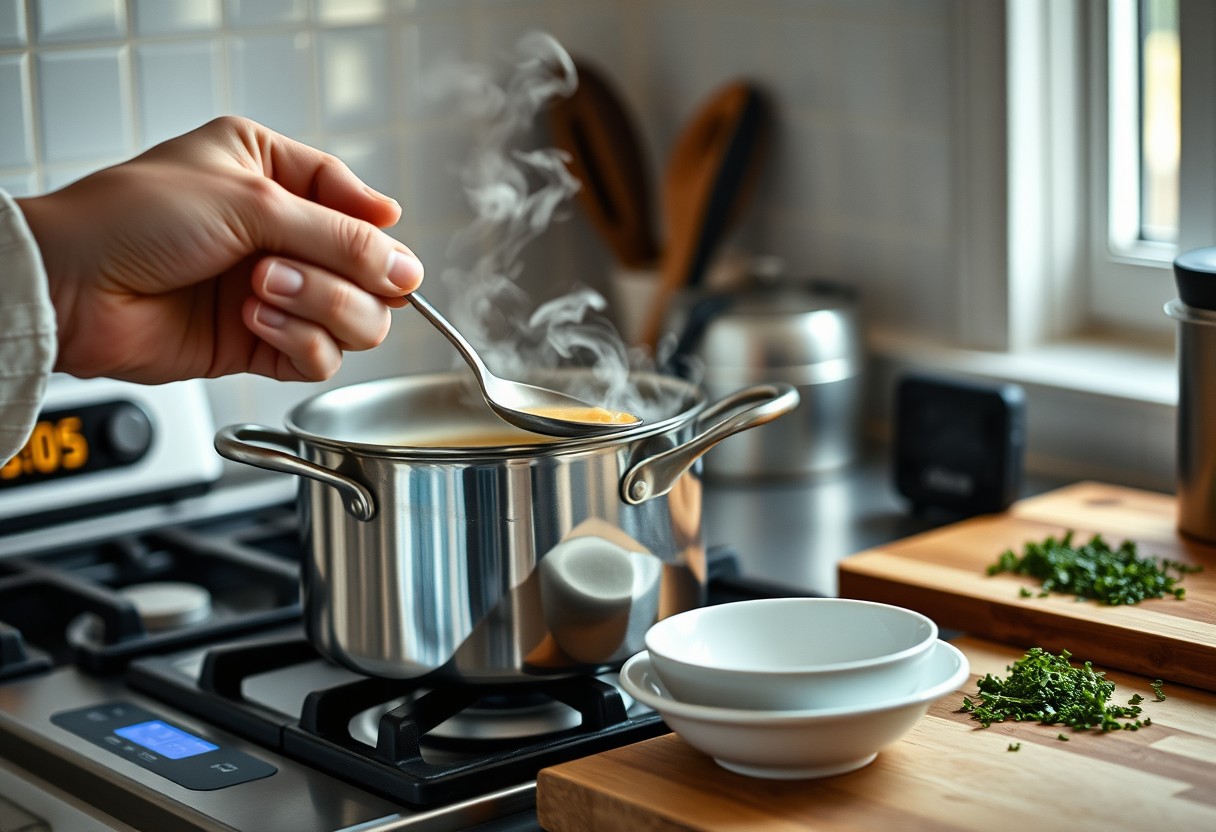
You taste food while cooking not just to check flavor, but to catch mistakes before they ruin a dish. Timing matters-tasting too early misses developing flavors, while waiting too long may mean irreversible overseasoning or texture damage. With every bite, you gather real-time feedback, adjusting salt, acid, and spice for balanced, restaurant-quality results at home.
Key Takeaways:
- Taste your food early in the cooking process to catch seasoning issues while there’s still time to adjust, not just at the end when changes are harder to integrate.
- Use a clean spoon each time you taste to avoid contamination, especially when cooking for others or working with raw ingredients.
- Pay attention to how flavors evolve with heat-what tastes balanced when cool may become sharp or flat when hot, so always taste at serving temperature when possible.
The Cold, Hard Foundation
You must taste your ingredients before they hit the pan-raw quality dictates final outcome. A dull tomato won’t transform into brilliance with heat; a flat herb bundle stays lifeless no matter the technique. Your palate detects flaws early: bitterness in wilting greens, staleness in nuts, or unexpected sweetness in an onion. These raw signals are non-negotiable indicators of what your dish will become. When you skip this step, you risk building layers on a weak base. Trusting sight alone is dangerous-flavor doesn’t always follow form.
The Simmering Chaos
Heat transforms ingredients, but it also hides flavors behind a veil of steam and volatility. As your sauce or stew bubbles, the balance of salt and acid shifts unpredictably-what tasted right cold may now seem flat or sharp. This is the moment to trust your palate over recipes, adjusting incrementally as the liquid reduces and concentrates. Too much salt early can’t be undone, while too little acid dulls the dish’s brightness. Always taste mid-simmer, when the core elements are active but not yet set, allowing you to correct imbalances before they solidify.
The Final Pass
Now is your last chance to correct the balance before the plate leaves the kitchen. Taste deliberately, focusing on whether the seasoning sharpens the flavors or drowns them-salt can rescue a flat sauce, but one extra pinch can ruin it. If acidity feels dull, a splash of citrus or vinegar may brighten the entire dish. Consider texture too: a stew should cling, not pool; a sauce must coat, not slide. This moment defines the impression your food will leave. Adjust with precision, not guesswork, and trust your palate when it signals “just right.”
The Thermal Lie
Heat reshapes taste, and when you taste food scalding hot, your perception of flavor is dangerously distorted. The searing temperature numbs sensitivity on your tongue, masking bitterness, dulling acidity, and exaggerating saltiness, so what registers as balanced may later taste flat or harsh when cooled. Extreme heat can fool you into thinking a dish is seasoned correctly, only to reveal its flaws upon serving. Like the pivotal moment described in In Baby’s ‘First Bite,’ A Chance To Shape A Child’s Taste, timing affects long-term perception-your palate’s first encounter with a dish at the wrong temperature sets a false benchmark. Let it cool slightly; accuracy depends on it.
Sensory Burnout
After hours of tasting, adjusting, and refining, your palate fatigues-your ability to detect subtle differences weakens significantly. You might miss a dish’s imbalance or overcorrect seasoning simply because your taste buds are overwhelmed. This sensory burnout is especially dangerous during long shifts when decisions stack rapidly. Rinsing your mouth with water between tastings helps, but the real safeguard is awareness: knowing when your judgment begins to dull. Trusting an impaired palate leads to inconsistent results, so recognize the signs before fatigue distorts your standards.
Final Words
You now know that tasting your food early and often isn’t just a habit of experienced cooks-it’s a necessary part of building flavor with precision. Waiting until the end means missing opportunities to adjust seasoning, balance acidity, or correct texture while there’s still time. Your palate is one of the most reliable tools you have, and using it at key moments transforms guesswork into control. Trust your senses, but also understand their limits, especially when heat distorts perception. A well-timed first bite sets the tone for everything that follows.
FAQ
Q: Why should I taste my food early in the cooking process instead of waiting until the end?
A: Tasting early reveals how flavors are developing from the start, allowing adjustments while there’s still time to correct them. A dish that’s underseasoned at the beginning won’t magically improve on its own. Salt, acid, and sweetness need time to integrate, especially in long-cooked meals like stews or sauces. A mid-sized SaaS firm might tweak its product weekly, but in cooking, waiting too long means missed opportunities to balance. Early tasting helps catch imbalances when they’re easiest to fix.
Q: How often should I taste while cooking?
A: Taste at key stages: after combining base ingredients, during simmering or sautéing, and before finishing. For soups or braises, tasting every 15 to 20 minutes during active cooking helps track changes. Stir-fries or sautés may only need two or three checks due to short cook times. The goal isn’t constant sampling but strategic pauses where flavor shifts occur-like after reducing liquid or adding spices.
Q: Can tasting too early give a misleading impression of flavor?
A: Yes, especially with raw aromatics or concentrated liquids. Raw garlic or onion can taste sharp before mellowing with heat. Undiluted soy sauce or vinegar may seem overpowering before being balanced by other components. That’s why timing matters: a first bite right after adding an ingredient might not reflect the final taste. Wait a few minutes for flavors to meld, then taste again.
Q: Should I taste even if I’m following a trusted recipe?
A: Recipes provide guidance, but variables like ingredient size, salt content, or stove heat differ. One brand of broth may be saltier than another. A lemon might yield less juice. Tasting ensures the dish adapts to real conditions, not just printed instructions. A recipe is a map, but your palate is the compass.
Q: What tools or habits help make tasting more effective?
A: Keep a small spoon or ladle nearby throughout cooking. Use a clean spoon each time to avoid contamination. Spit out samples when tasting repeatedly, especially during long sessions. Note changes mentally or verbally-did the acidity just peak? Did the salt disappear after adding potatoes? These small observations build awareness and sharpen judgment over time.