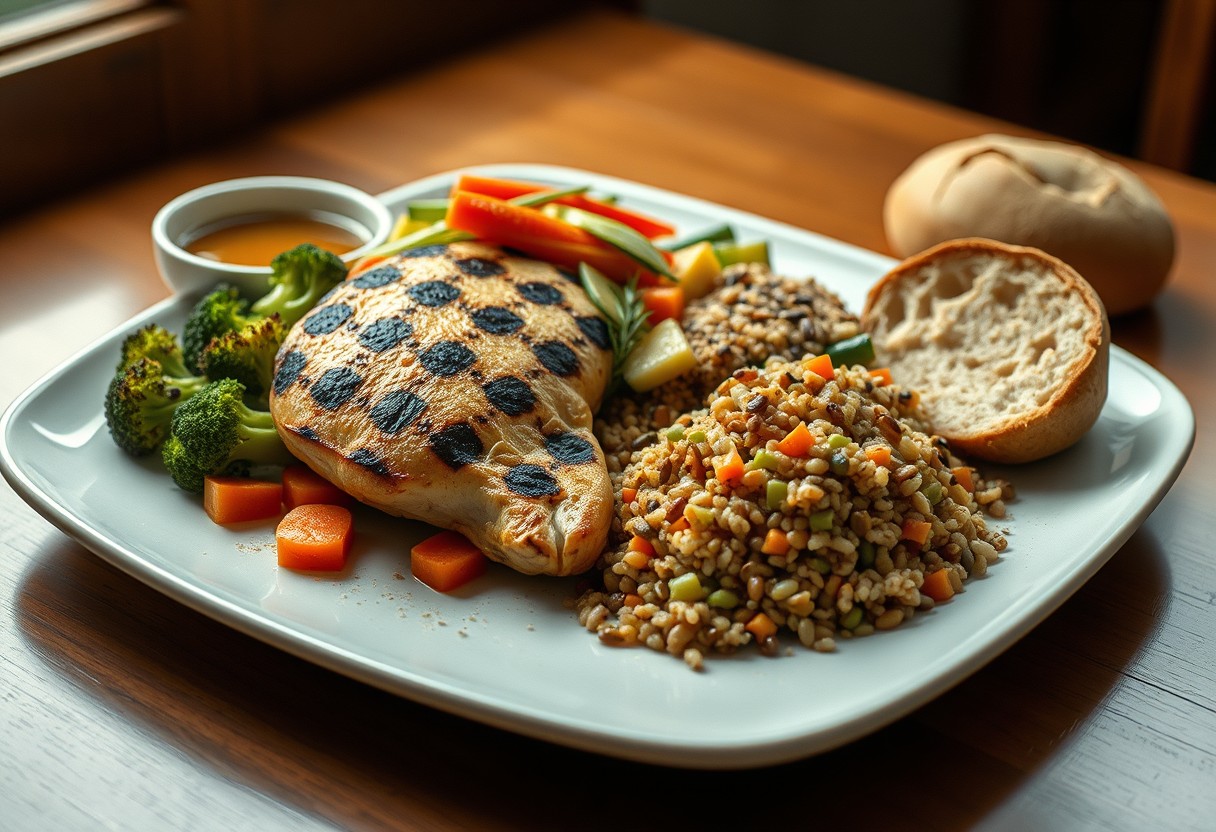
You can feel satisfied without overeating by focusing on nutrient density and satiety triggers. Protein and fiber are your strongest allies for lasting fullness, while low-calorie, high-volume ingredients like vegetables increase meal size without excess calories. Healthy fats in moderation also enhance satisfaction, and mindful eating habits amplify fullness cues. This approach prevents overeating while keeping hunger at bay.
Key Takeaways:
- Boost satiety by incorporating high-fiber ingredients like beans, lentils, oats, and vegetables, which add bulk to meals without significantly increasing calorie content.
- Include lean protein sources such as eggs, Greek yogurt, tofu, or chicken breast in your dishes, as protein slows digestion and helps maintain a longer sense of fullness.
- Use water-rich vegetables like zucchini, cucumbers, and tomatoes to increase portion volume while keeping energy density low, making meals more satisfying without extra calories.
Prioritizing Protein and Fiber Factors
The key to lasting fullness lies in the quality of your macronutrients, not just quantity. Protein plays a powerful role in reducing hunger by stabilizing blood sugar and triggering satiety hormones. Meals rich in fiber slow digestion, prolonging the feeling of satisfaction. By intentionally building dishes around these components, you naturally reduce the urge to snack or overeat later. Focus on incorporating whole food sources rather than supplements for the most effective results.
- Choose meals with lean proteins like chicken, tofu, or Greek yogurt
- Opt for high-fiber legumes such as lentils, chickpeas, and black beans
- Include whole grains like barley, farro, or oats instead of refined versions
- Pair protein and fiber together at every meal for maximum satiety impact
- Aim for at least 5 grams of fiber and 15 grams of protein per meal
Adding lean proteins to every dish
You can significantly extend how long you feel satisfied by including a solid source of protein in each meal. A serving of grilled chicken breast, baked fish, or even low-fat cottage cheese alters your body’s hormonal response to food, leading to reduced levels of the hunger hormone ghrelin. Lean proteins deliver this benefit without excess saturated fat, making them sustainable choices. Even plant-based options like tempeh or edamame offer complete amino acid profiles that support fullness and muscle maintenance.
Integrating high-fiber legumes and grains
Legumes and whole grains contribute more than just texture and flavor-they actively enhance satiety through their natural fiber content. Black beans in a taco bowl or lentils in soup digest slowly, preventing rapid spikes in blood sugar that lead to crashes and cravings. High-fiber legumes also feed beneficial gut bacteria, which emerging research links to improved appetite regulation. Swapping in brown rice or quinoa adds chewiness and a steady energy release, keeping hunger at bay for hours after eating.
How-to Increase Food Volume with Low-Density Ingredients
Expanding your meal’s physical bulk without adding excess calories starts with incorporating more low-density, high-volume ingredients. These foods occupy space in your stomach, triggering stretch receptors that signal fullness to your brain. Non-starchy vegetables and water-rich bases are especially effective, delivering volume and satisfaction with minimal caloric impact. By focusing on these ingredients, you create meals that feel generous and filling, even when calorie counts remain moderate. This approach supports satiety through physical fullness, not just nutrient content.
Bulking meals with non-starchy vegetables
You can dramatically increase portion size without significantly raising calories by loading up on non-starchy vegetables like zucchini, spinach, bell peppers, and mushrooms. These ingredients add fiber and water, both of which contribute to stomach distension and prolonged fullness. Adding a cup or two of sautéed greens to an omelet or mixing shredded carrots into taco filling doubles volume while enhancing nutrition. The result is a meal that feels abundant and satisfying, helping you avoid hunger between meals without overeating.
Using water-rich bases and broths
Starting your meal with a broth-based soup or using tomato juice, vegetable stock, or coconut water as a cooking liquid increases the water content of your dish, promoting early fullness. These liquids expand in the stomach, creating a sense of immediate volume. Studies show that consuming soup before a meal often leads to lower overall calorie intake. Incorporating water-rich components directly into stews, stir-fries, or grain dishes ensures sustained hydration and fullness throughout digestion, making it easier to feel satisfied with balanced portions.
Tips for Managing Healthy Fats for Satiety
Healthy fats play a key role in slowing gastric emptying, which helps you feel full longer without overeating. Including the right types of lipids in your meals can significantly enhance satiety. Focus on whole-food sources like avocado, nuts, seeds, and olive oil, as these not only delay digestion but also provide essential nutrients. The richness of these fats increases meal satisfaction, reducing the urge to snack later. Choose wisely to maximize fullness while supporting overall health.
- Include avocado slices in salads or toast for creamy texture and sustained fullness
- Sprinkle chia or flaxseeds on yogurt or oatmeal to add fiber-rich fat
- Drizzle extra virgin olive oil over roasted vegetables or grains
- Add a small handful of almonds or walnuts to meals or snacks for crunch and satiety
Selecting satiating fats like avocado and seeds
Avocado delivers a powerful combination of monounsaturated fats and fiber, both of which contribute to prolonged fullness. When you add half an avocado to a meal, the fat content slows digestion while enhancing flavor and texture. Seeds like chia, flax, and pumpkin offer a similar benefit, packing omega-3s and protein alongside their fat content. These whole-food fats are especially effective because they work synergistically with other nutrients to keep hunger at bay without spiking blood sugar.
Balancing fat portions to maintain calorie control
A tablespoon of olive oil or a quarter of an avocado can make a meal more satisfying, but portion awareness remains essential for weight management. While healthy fats support satiety, they are energy-dense-about 9 calories per gram. Overuse can lead to unintended calorie surplus even if hunger is controlled. Measure oils and pre-portion nuts or seeds to gain the benefits without excess. This approach ensures you get the fullness boost without undermining your overall intake goals.
How-to Use Culinary Textures and Flavors
Different textures and bold flavors can transform a simple meal into something deeply satisfying without increasing portion size. Your brain responds to sensory variety, so combining creamy, chewy, crispy, or tangy elements keeps your attention focused on the eating experience. This heightened engagement triggers fullness cues more effectively, helping you feel content with less food. A dish that surprises the palate-like roasted cauliflower with toasted almonds and lemon zest-delivers lasting satisfaction through flavor complexity and textural contrast.
Incorporating crunch to encourage slower chewing
Adding crunchy components like seeds, raw vegetables, or toasted nuts slows down your bite pace naturally. When you encounter resistance with each mouthful, you’re forced to chew more thoroughly, which gives your body time to register fullness. This deliberate eating rhythm boosts satiety signals sent from the gut to the brain. Try topping grain bowls with sliced radishes or crushed pepitas-small changes that make meals feel richer and more complete without adding excess calories.
Using bold spices to trigger satiety signals
Spices such as cumin, turmeric, chili powder, and cinnamon do more than enhance flavor-they actively influence how satisfied you feel after eating. These potent ingredients stimulate taste receptors and increase oral heat or complexity, making meals feel more substantial. The intensity of bold seasoning can reduce the desire to keep eating by signaling that the food is rich and rewarding. A sprinkle of smoked paprika on roasted sweet potatoes or fresh ginger in stir-fries adds depth that satisfies without extra volume.
Psychological Factors Influencing Fullness
Your brain plays a powerful role in determining when you feel full, often overriding physical signals. How you perceive a meal-its appearance, aroma, and even the pace at which you eat-can significantly influence satiety. By engaging your mind during meals, you create a more satisfying experience that reduces the urge to overeat. Mindful eating and strategic plate presentation tap into psychological cues that signal fullness, helping you feel content without increasing portion size.
Implementing mindful eating techniques
Slowing down and paying attention to each bite activates the body’s natural fullness signals. You begin to notice subtle changes in taste and texture, allowing your brain time to register satisfaction before excess calories are consumed. Turn off distractions, chew thoroughly, and pause between bites. These simple actions strengthen the connection between your stomach and mind, making meals feel more complete and fulfilling, even with smaller amounts of food.
Utilizing visual cues and plate sizing
- Use smaller plates to create the illusion of a fuller meal
- Arrange food with contrast and color to enhance visual appeal
- Fill half the plate with high-volume, low-calorie vegetables
- Choose taller glasses and deeper bowls for better perception of abundance
A plate that looks abundant tricks your brain into perceiving greater portion size, which can reduce post-meal cravings. The human eye weighs food volume heavily in determining satiety, so a densely packed plate signals greater nourishment, even if total calories remain moderate. Strategic plating turns modest meals into psychologically satisfying experiences.

Hydration and Pacing Tips
- Drink a glass of water before meals to support stomach expansion and early satiety signals.
- Pause between bites to give your body time to register fullness, reducing overeating risk.
- Sip broth-based soups or beverages during meals to enhance volume without excess calories.
- Take at least 20 minutes to finish meals, aligning with the brain’s satiety response timeline.
Drinking water to enhance stomach expansion
Consuming a glass of water 10-15 minutes before your meal gently expands your stomach, sending early signals to your brain that contribute to feeling full. This subtle distension primes your digestive system and can reduce overall food intake during the meal. The physical stretch from water is interpreted by your gut-brain axis as part of the satiety process, making it easier to feel satisfied with less. Doing this consistently supports long-term appetite regulation.
Slowing down the eating process for better signaling
Your brain needs about 20 minutes to receive and process fullness signals from your stomach. By chewing thoroughly and putting your fork down between bites, you extend your mealtime and align with this natural delay. Eating slowly prevents overshooting your actual energy needs, which often happens when food is consumed too quickly. This deliberate pace enhances digestion and increases satisfaction, even with smaller amounts of food.
Final Words
You can make homemade meals more filling without increasing portion size by focusing on satiating ingredients and mindful preparation techniques. Prioritize protein, fiber, and healthy fats while expanding volume with low-calorie vegetables and broth-based liquids. Strategic textures and varied flavors keep your brain engaged, enhancing perceived fullness. Slow eating and proper hydration further support satisfaction. For quick adaptations of your favorite recipes, explore methods to Convert Recipes Into Twenty Minute Meals or Less, ensuring nutritious, satisfying dishes fit seamlessly into your routine.
FAQ
Q: What are the most effective ingredients to add to meals to increase fullness without increasing portion size?
A: Foods high in fiber and protein have the strongest effect on satiety. Adding beans, lentils, chickpeas, or tofu to stir-fries, soups, or grain bowls boosts both fiber and plant-based protein. Including a palm-sized portion of lean animal protein like grilled chicken, fish, or eggs can prolong fullness. Non-starchy vegetables such as broccoli, zucchini, spinach, or mushrooms add volume with very few calories, making meals more satisfying without expanding portion size.
Q: Can changing the texture of food make a difference in how full I feel?
A: Yes, texture plays a role in satiety. Foods that require more chewing, like raw vegetables, whole grains, or lean cuts of meat, signal fullness more effectively than soft or processed items. Incorporating crunchy elements-such as chopped apples in salads, nuts in yogurt, or roasted Brussels sprouts in grain dishes-can slow down eating and increase awareness of fullness cues, helping you feel satisfied sooner.
Q: How does fat content affect fullness in homemade meals?
A: Healthy fats contribute to satiety because they digest slowly. A tablespoon of olive oil in a vegetable sauté, half an avocado on a sandwich, or a small handful of walnuts in a salad can help you stay full longer. The key is moderation-too much fat increases calorie density quickly, so pairing small amounts with high-fiber foods creates a balanced, satisfying meal without excess calories.
Q: Does drinking water with meals impact how filling a meal feels?
A: Drinking water before or during a meal can enhance fullness, especially when paired with fiber-rich foods. Water helps expand the stomach and supports fiber’s ability to form a gel-like substance during digestion, which slows stomach emptying. Starting a meal with a glass of water or a broth-based soup may reduce overall calorie intake by increasing early satiety signals.
Q: Can meal preparation methods influence how satisfying a dish feels?
A: Cooking techniques that preserve or enhance texture and flavor can improve satisfaction. Roasting vegetables brings out natural sweetness and adds crisp edges, making them more appealing and mentally satisfying. Simmering beans into a stew creates a thick, hearty consistency that feels more substantial than the same ingredients served plainly. Building layers of flavor with herbs, spices, and citrus instead of excess salt or sugar keeps meals interesting and mentally fulfilling, reducing the urge to eat more.