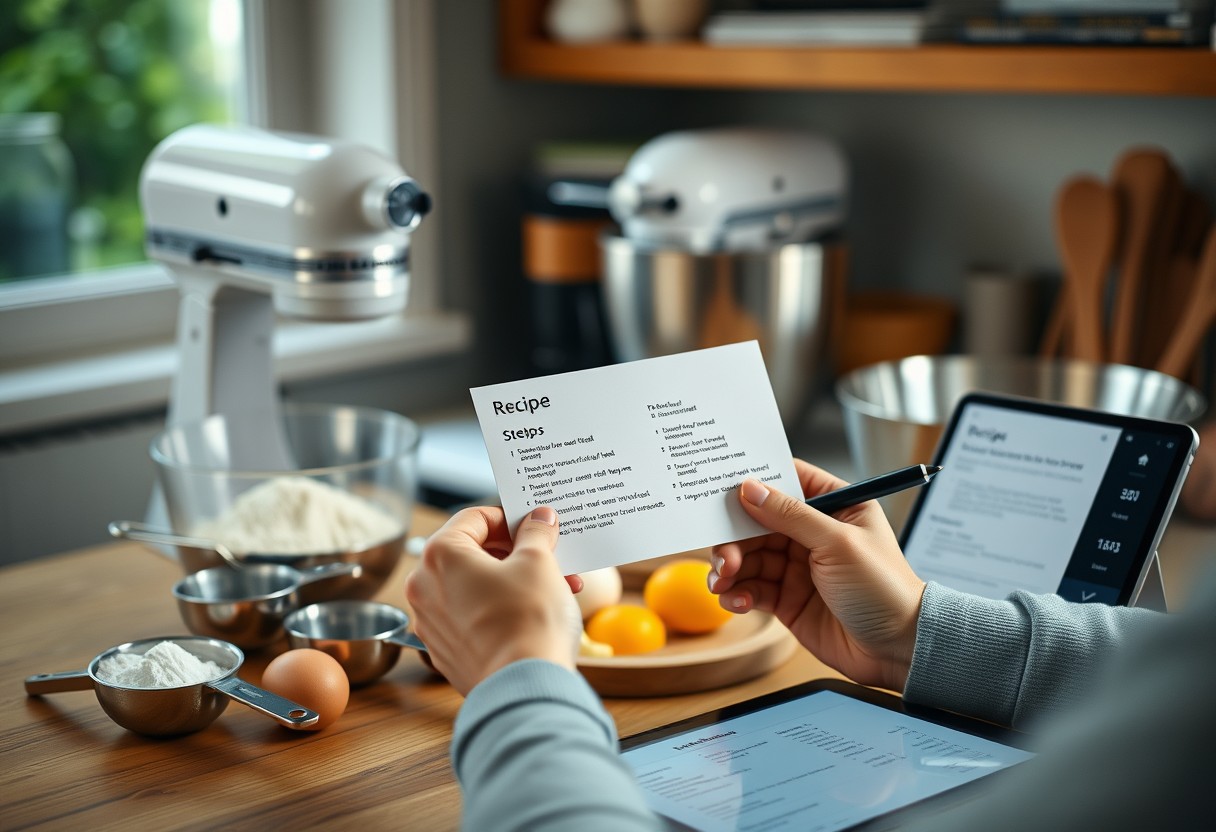
You save time and avoid kitchen disasters when you read the entire recipe first. Skipping this step can lead to missing ingredients, incorrect tools, or unexpected steps mid-cook. You might assume a dish takes 30 minutes when it actually requires hours of marinating or resting. Understanding the full process ahead ensures you’re prepared and confident. This small habit makes a noticeable difference in your cooking success.
Key Takeaways:
- Read the entire recipe from start to finish before beginning, so you understand the full sequence and can spot any unexpected steps or timing demands.
- Check that you have all ingredients in the required quantities and forms-some items may need prepping ahead, like softened butter or chopped herbs.
- Review the equipment list carefully; using the right tools, such as a specific pan size or mixer attachment, can affect cooking time and texture.
Analyzing the Recipe Overview
Start by reviewing the total time and yield listed at the top of the recipe to determine if it aligns with your schedule and serving needs. Some recipes may claim to be quick but include lengthy marinating or resting periods-these details matter when planning your cooking window. If you only have 30 minutes before guests arrive, a dish requiring two hours of chilling won’t work. Consider whether the yield matches your household size or event. For a cozy night in, a massive stew batch might be overkill-unless you love leftovers. Curling up with my new favourite food book & a lavender latte reminded me how thoughtful planning enhances the joy of cooking.
Estimating Active versus Passive Time
You often overlook how much of a recipe’s time requires your direct attention. Active time-chopping, stirring, searing-demands focus and energy, while passive time includes simmering, baking, or resting, during which you can multitask. A recipe labeled “1 hour total” might only need 20 minutes of hands-on effort, making it ideal for a busy evening. Check each step to identify when you’ll be actively engaged versus when the dish works on its own. This distinction helps you plan efficiently and avoid feeling overwhelmed at peak moments in the cooking process.
Scaling Yield for Specific Needs
Your recipe may serve four, but what if you’re cooking for two or hosting six? Adjusting the yield starts with simple math, but precision matters-especially with spices, leaveners, and liquids. Halving a soup is straightforward, but reducing a delicate sauce may alter its texture. Consider how changes impact cooking vessel size and timing; a smaller batch might cook faster. If doubling, watch for ingredient limits-your skillet may not accommodate double the chicken at once. Always test seasonings at the end, as scaling can shift flavor balance unexpectedly.
Auditing Ingredients and Equipment
Before touching a single ingredient, take inventory of everything required to execute the recipe successfully. Check your pantry, refrigerator, and drawers for the necessary components and tools. Running out of a key item mid-preparation can derail timing and compromise results. Confirm the availability of specialized equipment like a stand mixer, baking stone, or food processor. If something is missing, decide whether a substitute tool will suffice or if the recipe should wait until the correct item is on hand. Being thorough now prevents frustration later.
Verifying Essential Hardware Requirements
You need the right tools within reach before beginning. Review the recipe’s equipment list carefully-this includes pots, pans, measuring devices, and small appliances. A 9-inch cake pan cannot replace a 13×9-inch without adjusting baking time and structure. Ensure your oven fits the required dish and that your mixer can handle dense doughs if called for. If you lack a specified tool, assess whether your alternative will perform the same function without affecting texture or consistency.
Identifying Appropriate Ingredient Substitutions
Some ingredients can be swapped without consequence, but others fundamentally alter the dish. Dairy milk may work in place of almond milk in a soup, but replacing buttermilk with plain water in biscuits will ruin the chemical reaction needed for rise and tenderness. Note any dietary restrictions you or your guests have, and confirm whether substitutions are tested or experimental. When in doubt, choose a recipe that uses ingredients you already have on hand and can commit to fully.
Deconstructing the Method
Understanding the order of steps prevents mid-recipe confusion and reduces stress. Read through the instructions from start to finish before touching a single ingredient. Picture each action in sequence-chopping, heating, combining-so you recognize how components build toward the final dish. Spotting a last-minute broiling step or an unexpected resting period after baking avoids dangerous surprises. Recognizing the timeline mentally prepares you for critical transitions, especially when timing affects texture or safety, like searing meat or tempering eggs.
Mapping Out the Preparation Flow
Trace the recipe’s workflow from raw ingredients to finished plate. Identify which tasks happen in parallel, like simmering a sauce while pasta cooks, and which must finish before the next begins, such as cooling a dough before rolling. Noticing overlapping steps helps you manage focus and avoid bottlenecks. For example, if onions sauté for ten minutes before adding garlic, you’ll know to stay nearby and not start a time-sensitive side dish in that window. Planning this flow keeps your attention where it’s needed most.
Highlighting Heat and Temperature Adjustments
Watch for shifts in heat level, as they directly impact flavor and safety. A sauce that starts at a boil but must reduce to a gentle simmer can scorch if left unattended. Missing a “turn off the heat” note before stirring in dairy may cause curdling. Note when recipes instruct you to remove a pan from heat before adding sensitive ingredients like eggs or chocolate. These transitions are non-negotiable moments where timing preserves both texture and taste, so mark them clearly before you begin.
| Detail Type | What to Watch For |
|---|---|
| Sequence Breaks | Steps requiring pauses, rests, or chilling periods mid-process |
| Heat Transitions | Shifts from high to low heat, or removing from heat entirely |
| Parallel Tasks | Actions meant to happen at the same time, like baking and prepping garnish |
| Time-Sensitive Additions | Ingredients added at precise moments, such as herbs at the end |
| Safety Cues | Warnings about undercooking, cross-contamination, or overheating fats |
Proactive Preparation Tips
Adopting a disciplined approach before heat hits the pan dramatically improves your control and consistency in the kitchen. Mise en place-the practice of organizing and arranging all ingredients and tools beforehand-is not just tradition; it’s a functional necessity. When you measure, chop, and position everything in advance, your focus shifts entirely to technique and timing. This method reduces errors, prevents last-minute scrambles, and supports a smoother, more enjoyable cooking experience. Stay ahead by treating prep as part of the recipe, not a preliminary step.
- Pre-measure all ingredients into small bowls or containers
- Label items that look similar to avoid costly mistakes
- Keep utensils and cookware within easy reach
- Use ramekins or small plates for organized workflow
- Pre-cut and store components in the order they’ll be used
Executing Efficient Mise en Place
Start by reading through the entire recipe one final time before you touch a knife or pan. Lay out every ingredient you’ll need, measured and prepped according to the method. This includes washing herbs, mincing garlic, portioning spices, and having liquids ready in measuring cups. When everything is visible and accessible, you eliminate pauses during cooking that can lead to overcooked sauces or burnt aromatics. A well-executed mise en place turns complex recipes into a sequence of simple, confident actions.
Coordinating Multi-Tasking Workflows
Time your prep to align with cooking stages, especially when managing multiple components. Begin with tasks that require longer cooking times, like boiling grains or searing proteins, while simultaneously prepping ingredients for later steps. Use downtime-such as while onions soften-to chop vegetables for the next phase. This strategic overlap prevents bottlenecks and keeps momentum. Staying organized under pressure depends not just on preparation, but on how intelligently you sequence your actions from the start.
Essential Success Factors
Success in executing a recipe hinges on recognizing the non-negotiable elements that define a dish’s outcome. Temperature control, ingredient quality, and timing directly influence flavor development and texture. You must monitor these variables actively throughout cooking, not just at designated intervals. Precise heat management prevents scorching or undercooking, while accurate measuring ensures consistency. Even minor deviations can compromise results, especially in baking or delicate sauces. Stay attentive to visual and aromatic signals-these real-time indicators often matter more than strict timelines.
- Temperature control maintains ingredient integrity
- Ingredient freshness impacts taste and texture
- Timing accuracy affects doneness and structure
- Sensory observation guides adjustments beyond the written steps
- Consistent stirring or agitation prevents uneven cooking
Trusting Sensory Cues for Doneness
You can’t always rely on timers or recipe-suggested durations because ovens vary and ingredients differ in moisture and size. Watch for physical changes like golden edges, bubbling surfaces, or clear juices in meats. A springy feel when pressed indicates properly baked bread or cakes, while translucent centers in onions signal they’re fully softened. For proteins, a slight resistance followed by tenderness means ideal doneness. These cues are more reliable than rigid instructions, especially when working with seasonal produce or different cuts of meat. Let your eyes, nose, and touch guide the final stages.
Adjusting Flavor Balances Prior to Plating
Taste your dish in the last few minutes of cooking to assess its seasoning and harmony. A pinch of salt can deepen savory notes, while a splash of acid like lemon juice lifts flat flavors. If sweetness dominates, a touch of vinegar or citrus restores balance. Bitterness may require a small amount of fat or sweetener to round it out. Remember that flavors concentrate as liquids reduce, so adjust cautiously. Never finalize seasoning too early-wait until the final moments when the full profile has developed and settled into coherence.
Summing up
You now know how to read a recipe with purpose and precision. By reviewing the entire method first, you avoid surprises during cooking. You check every ingredient and tool needed, ensuring nothing halts your progress. You understand cook times, temperatures, and technique cues that affect results. When you prepare components ahead-chopped, measured, or marinated-you stay in control. This approach leads to smoother execution and better dishes. You’ve built a reliable habit that supports consistency, confidence, and success every time you cook.
FAQ
Q: Why should I read the entire recipe before starting to cook?
A: Reading the full recipe ahead of time gives you a clear picture of what to expect, from timing to technique. A mid-sized SaaS firm might plan its workflow in advance, and cooking is no different. You avoid surprises like realizing halfway through that you need to marinate something for six hours or chill dough overnight. Knowing the full process helps you manage time, coordinate steps, and prevent mistakes that could ruin the dish.
Q: How do I know if I have all the ingredients before I begin?
A: Go through the ingredient list line by line and check your pantry, fridge, and freezer. Don’t assume you have something on hand-verify each item. A missing spice or specialty ingredient can stall progress, especially if it’s not easily substituted. If you’re missing something important, like buttermilk in a biscuit recipe, you may need time to adjust or find a workaround, such as using milk with vinegar.
Q: What should I look for in the recipe instructions besides the steps?
A: Pay attention to details like cooking times, temperatures, and visual cues. Some recipes say “cook until golden brown” or “until a toothpick comes out clean,” which are essential for accuracy. Also, note any warnings, like “be careful not to overmix” or “do not boil,” as these prevent common errors. Instructions often include prep notes, such as “have your baking sheet ready” or “work quickly,” which help you stay on track.
Q: How can I tell if a recipe requires special equipment?
A: Scan the recipe for tools beyond basic pots, pans, and knives. If it mentions a stand mixer, food processor, immersion blender, or kitchen scale, make sure you have access to one. Some recipes rely heavily on specific gear-like a springform pan for cheesecakes or a mandoline for even slicing. Without it, results may vary or the recipe could fail entirely.
Q: Should I adjust the recipe before I start cooking?
A: Yes, decide early if you need to scale servings up or down, substitute ingredients, or adapt for dietary needs. Making changes on the fly can lead to errors. For example, replacing butter with oil affects texture, and using gluten-free flour may require additional binders. Reading the recipe first lets you plan adjustments thoughtfully, ensuring better results and fewer last-minute scrambles.