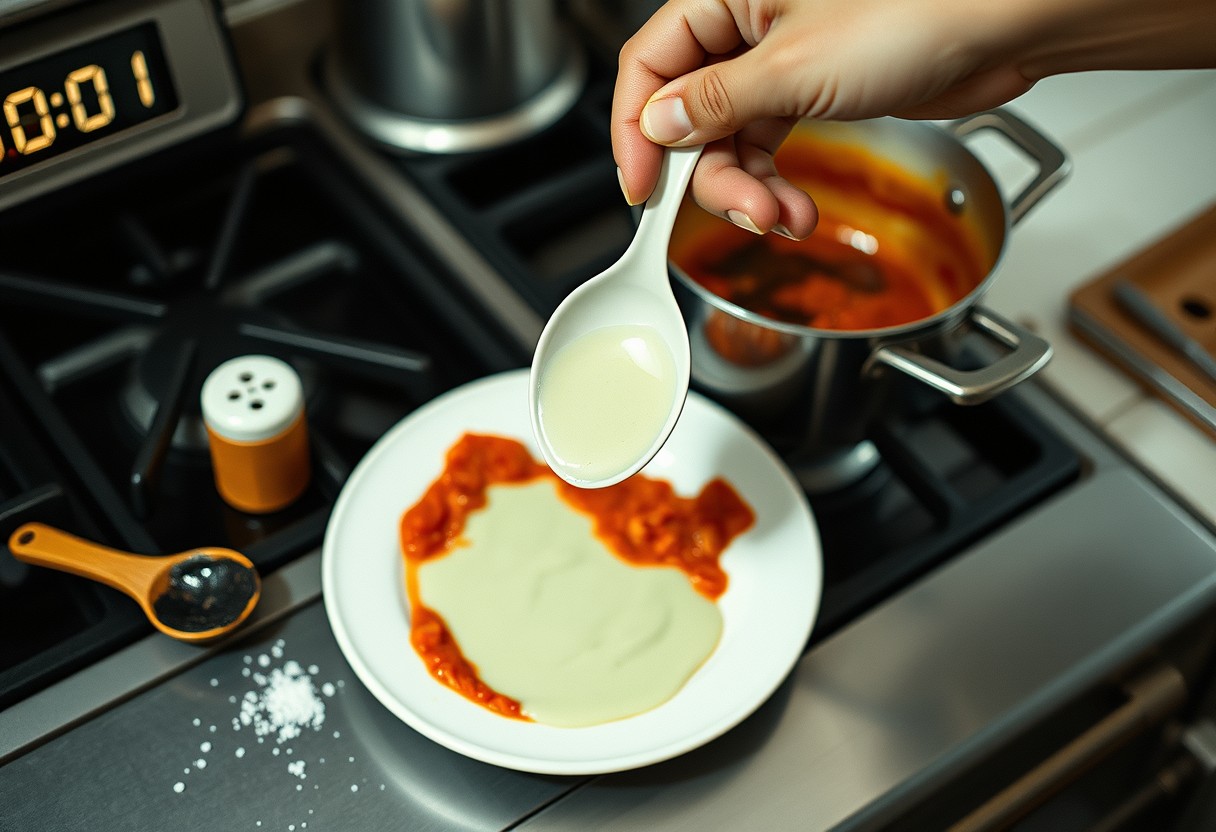
You’ve seasoned, simmered, and tasted-only to realize your dish is off. A single imbalance can ruin a meal, but quick fixes exist before it’s too late. Whether it’s too salty, flat, or overly spicy, knowing how to adjust flavors at the final stage saves both dinner and time. If food poisoning occurs despite your best efforts, learn how to treat food poisoning safely.
Key Takeaways:
- Dinner might be nearly finished, but a sharp taste test can still reveal imbalances-addressing them quickly with salt, acid, or sweetness often brings a dish back into harmony.
- Heat levels and spice intensity can overwhelm; cooling agents like dairy or starches can reduce burn without diluting flavor.
- When texture falls short-be it a watery sauce or dry meat-last-minute adjustments with thickening agents or added fat can transform the final result before serving.
The Salt and Acid Balance
If your dish tastes flat or dull, it’s likely missing a precise adjustment in salt or acid. Salt amplifies flavor, but too much can’t be undone-only diluted. Start with a pinch and stir well before tasting again. A squeeze of lemon juice or a splash of vinegar often brightens a lifeless sauce or stew, cutting through richness and restoring balance. The most effective fix combines small amounts of both, adjusting incrementally. Never underestimate how sharply a few drops of acid can redefine a dish that seems beyond saving.
The Heat and Spice Correction
Spice levels can escalate quickly, especially when working with potent chiles or concentrated spices. If your dish feels too fiery, remove it from direct heat immediately to prevent further intensification. Dairy, such as yogurt or cream, helps neutralize capsaicin’s burn-stirring in a small amount cools the palate without dulling flavor. For a plant-based option, a spoonful of coconut milk or a handful of cooked beans can disperse heat. Never add more spice at this stage; instead, focus on dilution and balance to restore harmony to the final plate.
The Sweet and Savory Pivot
When your dish leans too heavily into sweetness or lacks depth, a strategic shift toward savory elements can restore balance. You might notice a sauce tastes cloying after adding honey or tomatoes-this is where a pinch of smoked paprika, soy sauce, or even a splash of vinegar works wonders. These ingredients introduce umami and acidity, countering excess sugar without dulling the flavor. If the dish skews too savory or bitter, a small amount of maple syrup or grated apple can soften the edge. The key is incremental adjustment, tasting as you go to avoid overcorrecting.
The Texture and Consistency Rescue
If your dish feels too thin or overly dense, you’re not out of options. A splash of broth or a simmer can reduce and concentrate flavor while improving body. For soups or sauces that are too thick, gradually stir in warm liquid until you reach the desired consistency-rushing this step can cause separation. If your sauce is watery, a cornstarch slurry or mashed potato can rescue thickness without altering taste. Overcooked vegetables can be blended into the mix to create a smoother base, while undercooked grains can absorb more liquid with a few extra minutes on low heat. The key is patience: changes take time, and heat works gradually.
The Aromatic and Herb Finish
You can transform a flat or lifeless dish in seconds by introducing fresh herbs or aromatic elements at the end of cooking. A handful of chopped cilantro, a sprinkle of torn basil, or a grating of lemon zest can revive dull flavors and add brightness that cuts through richness. Stir in delicate herbs just before serving to preserve their fragrance and color. Overheating delicate greens like parsley or dill will mute their impact, so fold them in off the heat. A final drizzle of infused oil or a few cracks of black pepper can also enhance complexity without altering the core recipe.
The Fat and Cream Integration
When your dish feels flat or overly sharp, introducing fat can round out the flavors and add richness. A spoonful of butter, a drizzle of olive oil, or a splash of heavy cream often softens harsh edges caused by excess acid or spice. Be cautious not to add too much too quickly-incorporate in small increments, tasting as you go. Dairy-based creams can curdle if added to very hot liquids, so temper them first by warming a small amount before stirring into the dish. This technique works especially well in sauces, soups, and braises where a velvety mouthfeel enhances overall satisfaction.
Summing up
You’ve seasoned, tasted, and adjusted, and now your dish is nearly ready. If something still tastes off, pause and identify the imbalance-whether it’s too salty, flat, bitter, or dull. You know salt can be tempered with acid or sweetness, heat tamed with dairy or starch, and texture improved with simple fixes like a splash of broth or a handful of greens. Trust your palate, use what’s in your kitchen, and make the final tweak with confidence. The last bite should always reflect your intention.
FAQ
Q: My pasta sauce tastes flat-what can I do in the last few minutes before serving?
A: A flat-tasting sauce often lacks acidity or brightness. Stir in a small splash of red wine vinegar, lemon juice, or even a pinch of citric acid if you have it. Start with 1/2 teaspoon for a standard pot of sauce and taste as you go. Tomatoes especially respond well to a touch of acid, which lifts their natural flavor without making the dish taste sour. Grated zest from a lemon or orange can also awaken dull notes by introducing aromatic oils.
Q: I accidentally made my curry too spicy-can I fix it now that it’s on the table?
A: Yes, but avoid adding more liquid unless you’re doubling the entire recipe. Instead, stir in dairy like plain yogurt or coconut milk, a spoonful at a time, to cool the heat. Serve with extra basmati rice or naan bread, which help dilute spiciness when eaten together. Adding a dollop of raita or a side of cucumber salad also balances the palate. Sugar or honey won’t remove heat but can counteract its sharpness when used sparingly.
Q: My stew tastes too salty-should I throw it out?
A: Not necessarily. If the dish contains potatoes, add a raw, peeled potato cut into chunks and simmer for 15-20 minutes. It won’t absorb all the salt, but it can help mellow the overall intensity. Another option is to bulk up the stew with unsalted ingredients-extra vegetables, beans, or grains-to dilute the salt concentration. For broths, adding a bit of water and more aromatics like leeks or celery may rebalance the flavor profile.
Q: The meat in my dish tastes bland-can I improve it after cooking?
A: Bland meat usually needs either surface seasoning or a flavor boost from sauce. Remove the meat temporarily and deglaze the pan with broth, wine, or soy sauce, scraping up browned bits. Reduce slightly, then return the meat to coat. A final drizzle of infused oil, balsamic glaze, or chimichurri adds depth right before plating. Finishing with flaky sea salt or a squeeze of citrus directly on the meat also enhances perception of flavor.
Q: My soup tastes metallic-what caused this and how can I fix it?
A: A metallic taste often comes from overcooking acidic ingredients in reactive pots like aluminum or low-quality stainless steel. It can also result from canned tomatoes or beans cooked too long. To correct it, stir in a tablespoon of sugar or honey to mask the off-note, or add a splash of cream to smooth the flavor. Introducing fresh herbs like parsley or cilantro at the end helps distract the palate. For future batches, use high-quality non-reactive cookware when working with acids.