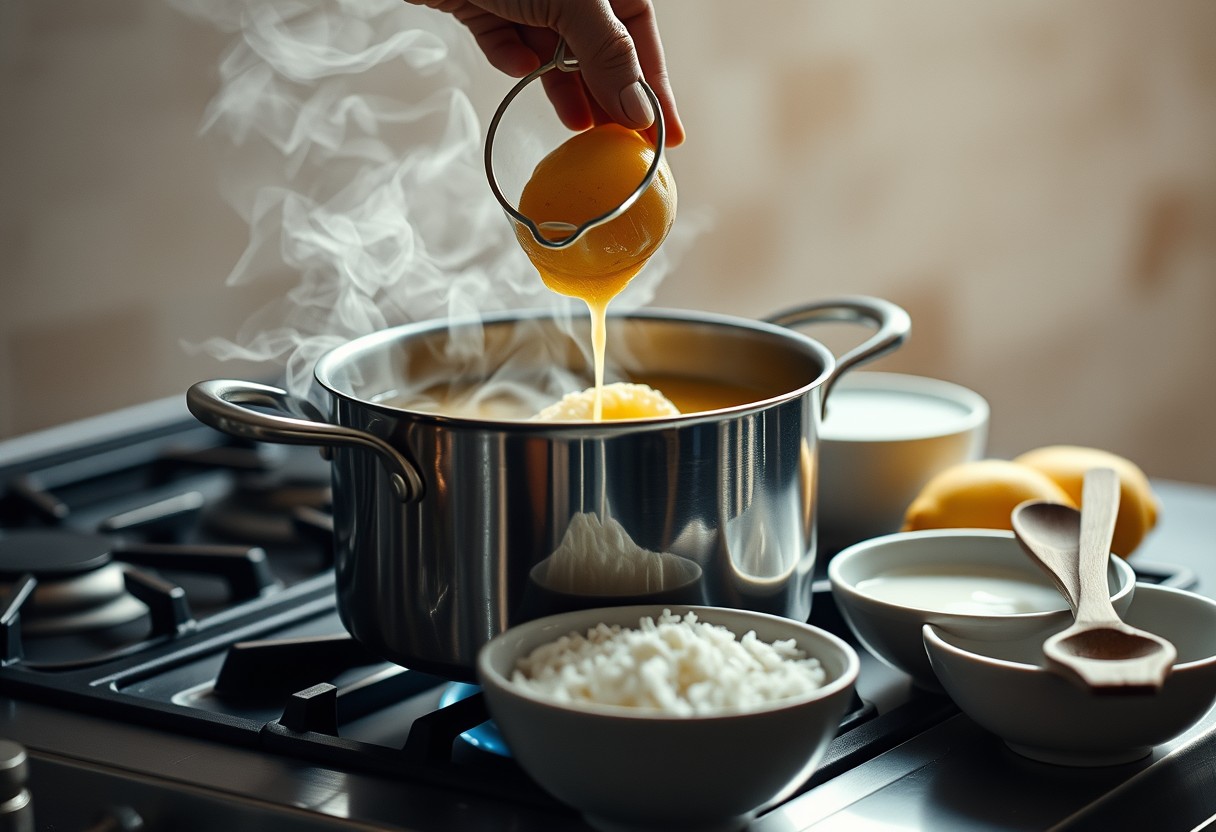
Over-salting happens to everyone, but you don’t need to throw out your entire dish. With the right techniques, you can effectively reduce saltiness and save your meal. Acting quickly is essential, as prolonged exposure to excess salt deepens the flavor imbalance. This guide shows you proven, practical steps to correct over-seasoned food-no second chances required.
Key Takeaways:
- Diluting the dish with unsalted liquid or additional ingredients can effectively reduce salt concentration, especially in soups, stews, or sauces.
- Adding acidity like lemon juice or vinegar helps balance salty flavors by shifting taste perception, making the dish taste less salty even without removing salt.
- Incorporating starchy components such as potatoes or rice may absorb some excess salt, though their effectiveness depends on cooking time and dish type.
Identifying the Severity of Over-Salting
Taste is your first diagnostic tool when salt levels cross the threshold of enjoyment. Take a small spoonful, letting it coat your palate to gauge how overpowering the saltiness feels-mild excess may only tingle, while severe cases dominate every other flavor. Consider the total volume of the dish; a highly concentrated sauce reveals salt more intensely than a large pot of soup, where distribution plays a role. The type of salt and ratio of liquid to solids further influence perception, so assess these factors before deciding on corrective action.
Assessing the type of salt used
Salt varieties differ in crystal size and sodium density, directly affecting how intense the over-seasoning feels. If you used fine table salt, its compact grains dissolve quickly and spread evenly, making the dish consistently salty throughout. Coarser types like kosher or flaky sea salt may leave pockets of intensity but less uniform dispersion. Recognizing which salt went into the dish helps determine whether the saltiness is pervasive or localized, guiding how aggressively you need to intervene.
Determining the liquid-to-solid ratio factors
Liquids dilute salt more easily than dense, solid-heavy dishes, so evaluate how much broth, sauce, or water already exists in the mix. A soupy stew gives you more flexibility to balance flavors, while a dry rice or sautéed vegetable base offers little room for diffusion. Dishes with high solid content absorb salt deeply, making correction harder and less effective. Your best chance lies in understanding this balance-more liquid means more control, fewer liquids mean limited options.
- salt concentration
- taste test
- cooking volume
- type of salt
- liquid-to-solid ratio
- flavor balance
- overpowering saltiness
Implementing Dilution Strategies
To reduce excessive saltiness, increasing the overall volume of your dish effectively lowers the concentration of salt per serving. You can achieve this by incorporating unsalted ingredients that preserve the dish’s intended texture and flavor profile. The key danger lies in adding too much liquid too quickly, which may result in a watery or unbalanced final product. Proceed incrementally, tasting as you go, to ensure gradual improvement without compromising the integrity of the dish.
How-to add unsalted liquids effectively
You can stabilize salt levels in soups or sauces by introducing unsalted broth, water, or dairy in small, measured increments. Adding one-quarter cup at a time prevents oversaturation and allows you to maintain control over consistency. Stir thoroughly after each addition and let the dish simmer for several minutes before assessing further needs. This method works best when the original recipe includes liquid components, ensuring the final texture remains cohesive and appetizing.
Increasing bulk ingredients to spread seasoning
You may counteract high salt content by incorporating additional unseasoned components such as cooked grains, chopped vegetables, or legumes. These ingredients absorb and disperse the salty flavor across a larger volume, effectively reducing its dominance. For instance, adding plain cooked rice to a salty stew or extra diced tomatoes to a sauce can restore balance without altering the core character of the dish. Always introduce these elements gradually to avoid overwhelming the original composition.
Neutralizing Palate Perception with Counter-Flavors
Acids and sugars can effectively shift how your taste buds perceive saltiness, allowing you to rescue an over-seasoned dish without altering its texture. When salt overwhelms a recipe, introducing a well-chosen acidic component triggers a chemical reaction that balances the overall flavor profile. The sourness doesn’t remove sodium but instead distracts the palate, making the dish taste less salty. Use this method strategically by adding small amounts at a time, tasting as you go-overcorrecting can lead to a tart or cloying result. This approach works best in broths, sauces, and braises where flavor integration is dynamic.
Tips for selecting the right acidic component
Your choice of acid plays a decisive role in restoring balance without clashing with existing flavors. Consider these options based on your dish’s character:
- A splash of lemon juice brightens seafood, vegetables, and light soups
- Apple cider vinegar adds subtle fruitiness to stews and bean dishes
- Balsamic vinegar enhances richness in tomato-based sauces
- White wine vinegar integrates cleanly into delicate sauces and risottos
- Tomato paste, though not a liquid acid, contributes tang and depth to meaty dishes
Always add acid gradually-a teaspoon at a time-to avoid overshooting the desired equilibrium.
Balancing with sweetness to trick the tongue
Sugar can mask excessive salt by activating different taste receptors, effectively distracting your palate from focusing on saltiness. Natural sweeteners like honey, maple syrup, or grated carrots integrate smoothly into savory preparations while adding complexity. A pinch of sugar may be enough for a sauce, while heartier dishes might benefit from stewed fruit or a drizzle of agave. Be cautious not to make the dish noticeably sweet-your goal is flavor harmony, not dessert-like contrast. When properly applied, sweetness creates a rounded mouthfeel that diminishes the sharp edge of salt.
Leveraging Starchy Absorption Methods
When your soup or stew has taken a salty turn, porous starchy ingredients can help draw excess salt from the liquid without altering the dish’s integrity. Potatoes, rice, and pasta act like sponges, absorbing seasoned broth while remaining structurally intact. The key is to add them during the final stages of cooking and remove them before serving, as leaving them too long can break them down and cloud the dish. This method works best in brothy preparations where texture won’t be compromised by temporary additions.
The potato immersion technique
Peel and cut a raw potato into large chunks and submerge them in your over-salted liquid while it simmers. As the potato cooks, its porous flesh absorbs some of the salty broth, gently reducing the overall sodium concentration. Let it sit for 15-20 minutes, then remove the pieces before they disintegrate. Be aware that the potato won’t absorb salt like a magnet, but it will make a noticeable difference in moderately oversalted dishes, especially soups and sauces with ample liquid.
Serving alongside unseasoned grains or breads
Pairing your salty dish with plain, starchy sides offers a simple yet effective way to balance each bite. A scoop of unsalted rice, boiled pasta, or a slice of fresh bread dilutes the saltiness as you eat, effectively dispersing the intense flavor across a broader palate experience. These neutral bases also add heartiness, making the meal more satisfying without requiring any changes to the original dish. This approach works particularly well with curries, stews, and braises served in bowls.
Repurposing Over-Seasoned Elements into New Dishes
Transforming a salty component into a concentrated base allows you to mask excess seasoning while building depth in a broader meal. Instead of discarding over-salted ingredients, use them as a flavor foundation where their intensity will be diluted naturally. Strong-tasting elements like tomato sauce, broth, or braising liquid can handle a more aggressive starting point, especially when combined with unsalted components. This method turns a kitchen mishap into an opportunity for richer, more complex dishes without wasting food or flavor.
How-to convert salty proteins into stews
Start by chopping or shredding the over-seasoned meat into small pieces and simmering it in a large volume of broth, beans, or vegetables. The protein’s saltiness infuses the entire dish, seasoning it from within while losing its overpowering edge. Even heavily salted chicken or beef becomes palatable when stewed with potatoes, carrots, and minimal additional seasoning. This technique works best when the protein makes up less than a third of the final dish, ensuring balance.
Doubling the recipe to distribute seasoning
Double the entire recipe-excluding salt-to dilute the briny taste evenly across a larger batch. Adding unsalted ingredients absorbs excess sodium without altering flavor complexity. When you scale up soups, sauces, or grain dishes, the original salty element becomes just one part of a well-balanced whole. Be cautious not to add any more salt, and taste frequently as the new volume cooks down. This approach saves time and transforms error into abundance.
Adopting Proactive Seasoning Habits
Building a reliable rhythm in your cooking routine starts with how you handle salt from the first step. You can prevent most over-seasoning disasters by treating salt not as a final adjustment but as a measured, ongoing element. Taste at every stage, use consistent measuring tools, and resist the urge to oversalt early, knowing flavors concentrate over time. This awareness transforms erratic seasoning into a predictable, controlled process, keeping dishes balanced and restaurant-quality.
Factors affecting salt absorption during cooking
Different ingredients and cooking methods change how quickly salt integrates and intensifies in a dish. Moisture levels, cooking temperature, and ingredient density all influence the final salt concentration. For example, porous foods like eggplant or beans absorb more salt, while high heat can reduce liquids and concentrate seasoning. Even stirring frequency impacts even distribution. Understanding these variables helps you adjust seasoning in real time, avoiding irreversible over-salting.
- Moisture levels: Wet ingredients dilute salt initially but concentrate it as they reduce
- Ingredient density: Dense vegetables or meats take longer to absorb salt evenly
- Cooking temperature: High heat accelerates evaporation, increasing salt intensity
- Stirring frequency: Regular mixing ensures even salt distribution and prevents localized over-salting
Tips for “layering” salt throughout the process
Layering salt gradually allows you to build flavor without overshooting the target. Start with a light hand, especially when using salty ingredients like soy sauce or cheese. Season in stages-once when sautéing aromatics, again mid-simmer, and only finally after tasting. This method gives you control and prevents the common mistake of adding too much too soon. With practice, your timing becomes instinctive and your results consistently balanced.
- Start low: Use less than you think you need at the beginning
- Taste often: Adjust incrementally as the dish develops
- Use salty ingredients strategically: Account for cheese, cured meats, or brines in your total salt calculation
- Reserve final seasoning: Wait until the end to fine-tune, especially for soups and sauces
To wrap up
You now have practical, proven strategies to correct overly salty food without discarding your efforts. By adjusting your dish with dilution, balancing flavors, or repurposing ingredients, you maintain both taste and texture. These methods work across soups, stews, sauces, and more, giving you control in the kitchen. You don’t need professional training-just attention, patience, and a few smart techniques. With these tools, you turn a common cooking mistake into a successful meal, reinforcing confidence every time you cook.
FAQ
Q: Can adding sugar really help fix a dish that’s too salty?
A: Sugar can help balance excessive saltiness by introducing sweetness that distracts the palate from the salty taste, especially in savory-sweet dishes like tomato sauce or chili. A small amount-such as a teaspoon of granulated sugar or a drizzle of honey-can round out flavors without making the dish sweet. This method works best when combined with acidity, like a splash of vinegar or lemon juice, which further softens the perception of salt.
Q: How does adding dairy reduce saltiness in soups or curries?
A: Dairy products like milk, cream, or coconut milk dilute the concentration of salt while adding richness that masks sharp salt notes. For example, stirring in half a cup of coconut milk into an over-seasoned curry spreads the salt across more volume and introduces fat and sweetness. Avoid boiling after adding dairy to prevent curdling, especially with milk-based products.
Q: Will tossing in raw potatoes absorb salt from a stew or soup?
A: Raw potato chunks can absorb some liquid, including salt, when simmered in a dish. Adding one peeled, medium-sized potato cut into cubes and cooking for 10-15 minutes may reduce perceived saltiness. Remove the potato before serving, as it will become overly salty. While not a complete fix, it helps slightly when no other ingredients are available.
Q: Can I use acid to fix a salty sauce?
A: Acidic ingredients such as white wine vinegar, lime juice, or apple cider vinegar can shift taste perception away from salt by increasing overall flavor complexity. A teaspoon at a time should be added and tasted between adjustments. In a salty marinara, for instance, a tablespoon of balsamic vinegar can deepen flavor while reducing the prominence of salt.
Q: What if my rice or quinoa turned out too salty?
A: Rinsing cooked grains under cool water can wash away surface salt, especially if the cooking water was oversalted. For better results, mix the over-seasoned rice with freshly cooked unsalted rice to dilute the salt concentration. Alternatively, repurpose the salty batch into fried rice with extra vegetables and a beaten egg to mask the taste.