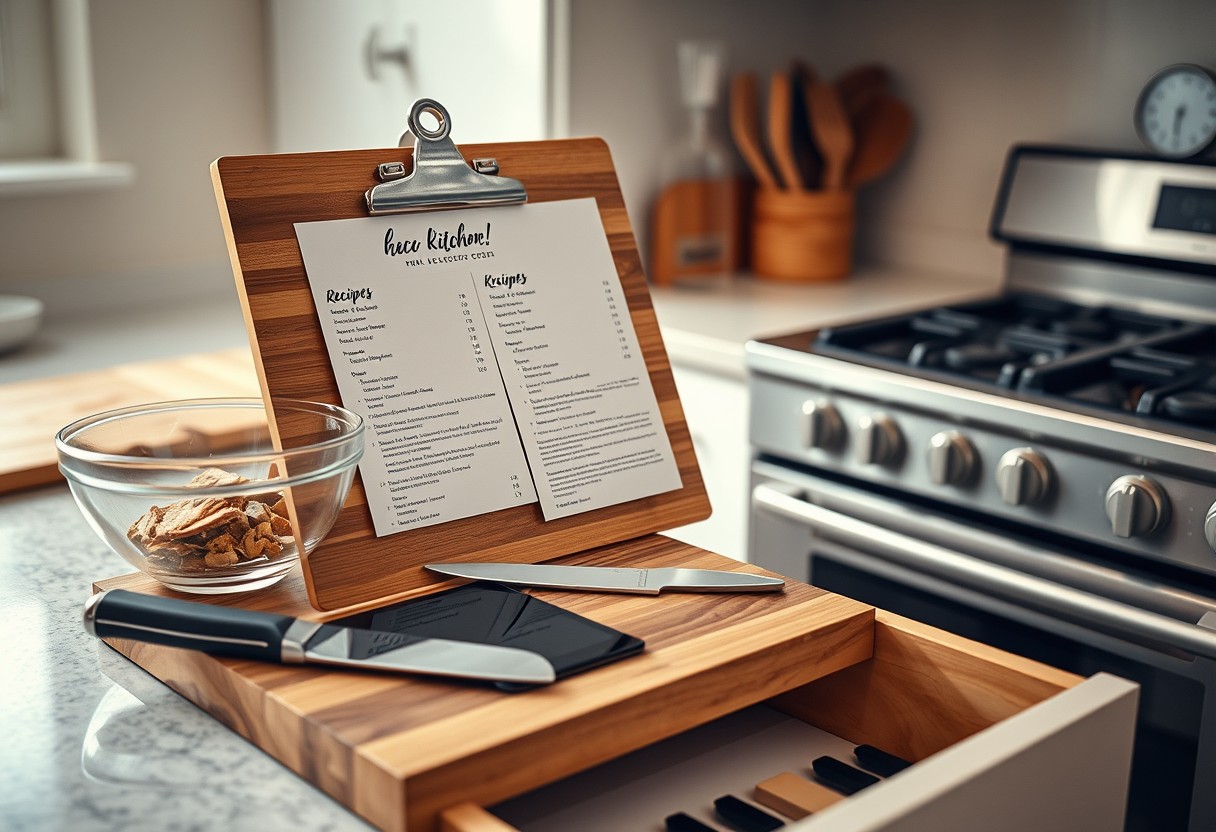
You can cook more confidently and efficiently by breaking free from your phone screen. Relying too much on digital recipes disrupts your flow and increases the risk of cross-contamination from touching devices while handling raw ingredients. With simple strategies like planning ahead and understanding basic techniques, you’ll move smoothly through meals. This method boosts safety, focus, and even enjoyment in your kitchen.
Key Takeaways:
- Read the entire recipe from start to finish before beginning, so you understand the flow of steps and can anticipate what comes next without needing to check your phone mid-cook.
- Measure and prepare all ingredients ahead of time-this reduces interruptions and allows you to focus on technique rather than scrambling to chop or measure while something cooks.
- Build confidence by learning basic cooking ratios and trusting your senses; recognizing the sound of simmering, the smell of toasted garlic, or the feel of properly mixed dough helps you cook intuitively.
Mastering the Art of Mise en Place
Prepping all ingredients before applying heat
Every successful cook starts with a clear plan and a fully prepped station. You measure, chop, and portion every ingredient before heating the pan, which eliminates frantic mid-cooking checks and keeps focus on the food. With everything within reach, you avoid burning garlic while searching for the soy sauce or overcooking onions because you’re still dicing carrots. This method turns cooking into a smooth, almost rhythmic process where timing feels natural, not stressful.
Organizing your workstation for maximum efficiency
Your kitchen setup directly impacts how freely you can move during cooking. Arrange tools, bowls, and prepped ingredients in a logical flow so that reaching for salt or a spatula doesn’t disrupt your rhythm. A well-organized space means your hands stay clean and your attention stays on the pan, not on hunting for a measuring cup or wiping counters. Positioning matters-keep frequently used items close and discard bowls near the cooking zone to reduce steps and distractions.
Learning Culinary Ratios and Core Techniques
Internalizing basic ratios transforms cooking from a rigid following of instructions into an intuitive practice. When you understand the foundational proportions behind sauces, batters, and grains, you’re no longer chained to your screen for every step. A simple ratio like 1:2 for rice to water means you can cook it confidently in any pot. This independence builds confidence and creativity, allowing you to adapt based on what’s in your pantry. Over time, these ratios become second nature, turning even unfamiliar dishes into manageable experiments guided by logic, not lookup.
Memorizing fundamental ratios for grains and vinaigrettes
Grains and vinaigrettes follow predictable patterns that, once learned, eliminate guesswork. You need just a 1:2 liquid-to-grain ratio for most long-grain rice, while pasta absorbs water differently but still follows a reliable boil-and-drain rhythm. For dressings, a 3:1 oil-to-vinegar ratio creates balanced vinaigrette every time. These numbers stick with repetition, freeing you to cook without pulling out your phone. Once memorized, they work across cuisines and recipes, letting you whisk or simmer with confidence.
Mastering dry versus moist heat cooking methods
Dry heat methods like roasting, searing, and grilling rely on high temperatures to develop flavor through browning. You control texture and doneness by adjusting time and heat level, not by checking steps online. Moist heat techniques-simmering, steaming, poaching-use liquid to tenderize tougher ingredients safely. Knowing when to apply each method prevents overcooking or underdeveloped flavor. With practice, you’ll instinctively choose the right approach for chicken, fish, or vegetables without consulting a recipe.
Utilizing Sensory Cues Instead of Digital Timers
Your eyes, ears, and nose are more reliable than any digital alarm when judging food’s progress. Relying on sensory input keeps you engaged with the cooking process instead of distracted by a screen. The golden sear on a steak, the steady bubble of a simmer, or the nutty aroma of toasting spices all offer real-time signals that no app can replicate. When you cook with attention rather than alerts, you gain confidence and precision, turning each meal into an intuitive act rather than a rigid script.
Identifying visual markers of properly cooked proteins
Color changes in meat, poultry, and fish give immediate insight into doneness. A raw chicken breast turns opaque and pearly white, while a salmon fillet shifts from translucent to flaky pink. Watch for a caramelized crust forming on seared steaks, indicating proper heat and timing. Overcooking shows just as clearly-shrunken, gray edges mean it’s past ideal. By training your eye to recognize these cues, you eliminate guesswork and reduce reliance on timers or recipe photos, making every result more consistent and confidently judged.
Developing an ear for the sizzle and simmer
The sound of your pan or pot tells you exactly what’s happening beneath the surface. A loud, aggressive sizzle means oil is hot and ready for food, while a gentle, steady bubble indicates a true simmer, not a rolling boil. Listen for when the noise slows or crackles unevenly-that often signals moisture has evaporated and browning is underway. Ignoring these auditory clues risks burning or undercooking. Tuning in sharpens your awareness and keeps you actively involved, not just waiting for a notification.
Establishing a Phone-Free Kitchen Workflow
Distractions in the kitchen often stem from reaching for your phone mid-cook, breaking rhythm and focus. You can eliminate this habit by designing a workspace that supports uninterrupted cooking. Keep countertops clear, tools within reach, and ingredients prepped ahead of time so your attention stays on technique and texture. A clean, organized station reduces decision fatigue and prevents reaching for digital crutches. When your environment aligns with intention, you engage more deeply with each step, leading to better control and consistency in every dish.
Creating a mental map of the primary recipe steps
Before heating a pan, take two minutes to visualize the entire cooking process from start to finish. Break it into clear phases: searing, simmering, reducing, finishing. This mental rehearsal trains your brain to anticipate transitions without needing to check a screen. You’ll notice subtle shifts in aroma, color, and consistency because your focus isn’t split between stove and display. Over time, this internal timeline becomes instinctive, making complex dishes feel natural and fluid.
Using analog alternatives like note cards for key temperatures
Slip a small index card into your apron pocket listing only the essentials-oil smoke points, doneness temps for meats, or sugar stages for caramel. These physical cues are faster to scan than unlocking a device and scrolling through apps. You avoid greasy fingerprints on screens and eliminate the temptation to browse notifications. The simplicity of handwritten notes reinforces memory while keeping critical data accessible, accurate, and entirely offline.
Cooking Without Digital Reliance: Key Comparisons| Digital Dependency | Analog Independence |
| Requires frequent screen interaction, increasing distraction risk | Relies on mental preparation and physical notes, promoting focus |
| Exposes device to heat, grease, and potential damage | Protects electronics while keeping data accessible via cards or charts |
| Encourages passive following rather than active learning | Builds confidence through repetition and sensory engagement |
| Interrupts flow with alerts, brightness, and app clutter | Supports continuous attention on texture, smell, and timing |
Adapting and Seasoning by Taste
Tasting as you cook transforms a rigid recipe into a responsive process, allowing you to adjust for the natural variation in ingredients. A lemon today might be tarter than last week’s, or your sea salt could be coarser, affecting how quickly it dissolves. By sampling throughout cooking, you catch imbalances early and refine the dish with precision. This real-time feedback loop ensures the final plate reflects not just the recipe, but the actual components in your bowl. Trusting your palate builds confidence and deepens your understanding of flavor structure.
Factors that influence salt, acid, and heat levels
Several variables affect how salt, acid, and heat register on your palate during cooking. The ripeness of produce alters natural sweetness and tartness, while water content in herbs and vegetables shifts concentration. Different salts vary in density and mineral content, changing their perceived strength. Cooking methods like roasting or simmering intensify flavors over time, and even ambient humidity can impact spice perception. Your own fatigue or hydration level may subtly alter taste sensitivity, making consistent tasting essential.
- Underripe citrus delivers more acid, requiring less added vinegar or lemon juice
- Coarse sea salt dissolves slower than table salt, affecting immediate salt impact
- Fresh chiles vary widely in heat; tasting a tiny piece first prevents over-spicing
- Reduced sauces concentrate both salt and acid, so season gradually
Tips for fixing common flavor imbalances on the fly
If a dish tastes flat, it likely needs brightness or depth rather than just more salt. A soup that’s too salty can be balanced with bulk-add unsalted vegetables or grains to dilute the concentration. For excessive acid, a pinch of sugar or a splash of cream softens sharpness without dulling flavor. Overly spicy dishes respond well to dairy or starch, like yogurt or rice. Always make corrections incrementally, tasting after each addition to avoid overcompensation.
- Add a raw potato to an oversalted stew; it absorbs excess salt as it cooks
- Balance too much acid with a small amount of honey or grated carrot
- Cool down excessive heat with coconut milk or a dollop of sour cream
- Counteract oversalting with a splash of unsalted stock or water
Summing up
You now have the tools to cook confidently without staring at your phone between steps. By preparing ingredients ahead, learning foundational ratios, trusting your senses, and organizing your workflow, you shift from passive following to active cooking. Each meal becomes less about checking screens and more about engaging with food. You season intuitively, adjust as you go, and build real kitchen confidence. This is how lasting skill develops-through practice, presence, and patience.
FAQ
Q: How can I avoid constantly looking at my phone while cooking?
A: Start by reading the entire recipe from start to finish before you begin. This gives you a clear mental roadmap of each step, so you’re not caught off guard when it’s time to sear or simmer. Print the recipe and tape it to the edge of your counter, or write key steps on a notepad and place it where you can glance at it easily without touching your phone. Over time, this practice trains your memory and builds confidence in following multi-step processes.
Q: What should I do if I forget a step halfway through cooking?
A: Pause and assess what stage you’re in-smell the pan, check the texture, and recall the last action you took. Most recipes follow a logical sequence: sauté aromatics first, add liquids, then simmer. If you’re unsure whether you added garlic, for example, give the dish a quick taste. Missing ingredients often leave a noticeable gap in flavor. With repeated cooking, these patterns become second nature, reducing reliance on constant reference checks.
Q: Can I cook new recipes without keeping my phone nearby?
A: Yes, but plan ahead. Transfer the recipe to paper before starting, and highlight timing cues like “simmer 10 minutes” or “bake until golden.” Break the recipe into phases: prep, cook, finish. Set up your mise en place so all ingredients are visible and labeled. This visual layout acts as a silent guide, letting you move through steps without needing to unlock your device. Even unfamiliar dishes become manageable when organized clearly in advance.
Q: How do I manage cooking times without a phone timer?
A: Use a standalone kitchen timer or a wall clock with a second hand. Place it where you can see it from your stove or oven. Train yourself to estimate durations-boiling water takes about 5-7 minutes, sautéing onions until soft is roughly 5 minutes over medium heat. After a few tries, your internal sense of timing improves. Listen for bubbling changes or watch for color shifts in food; these sensory signals often matter more than exact minutes.
Q: What if I’m adapting a recipe and need to adjust ingredients?
A: Rely on foundational ratios you’ve learned-like 1 part rice to 2 parts water, or 3-to-1 flour-to-fat ratio in roux-based sauces. Taste as you go and make small additions. If a sauce tastes flat, a pinch of salt or squeeze of lemon can balance it. Keep notes on adjustments in a notebook after each cook. A mid-sized SaaS firm might track user behavior, but home cooks track flavor outcomes. Repeating modified versions helps you internalize what works without digital guidance.