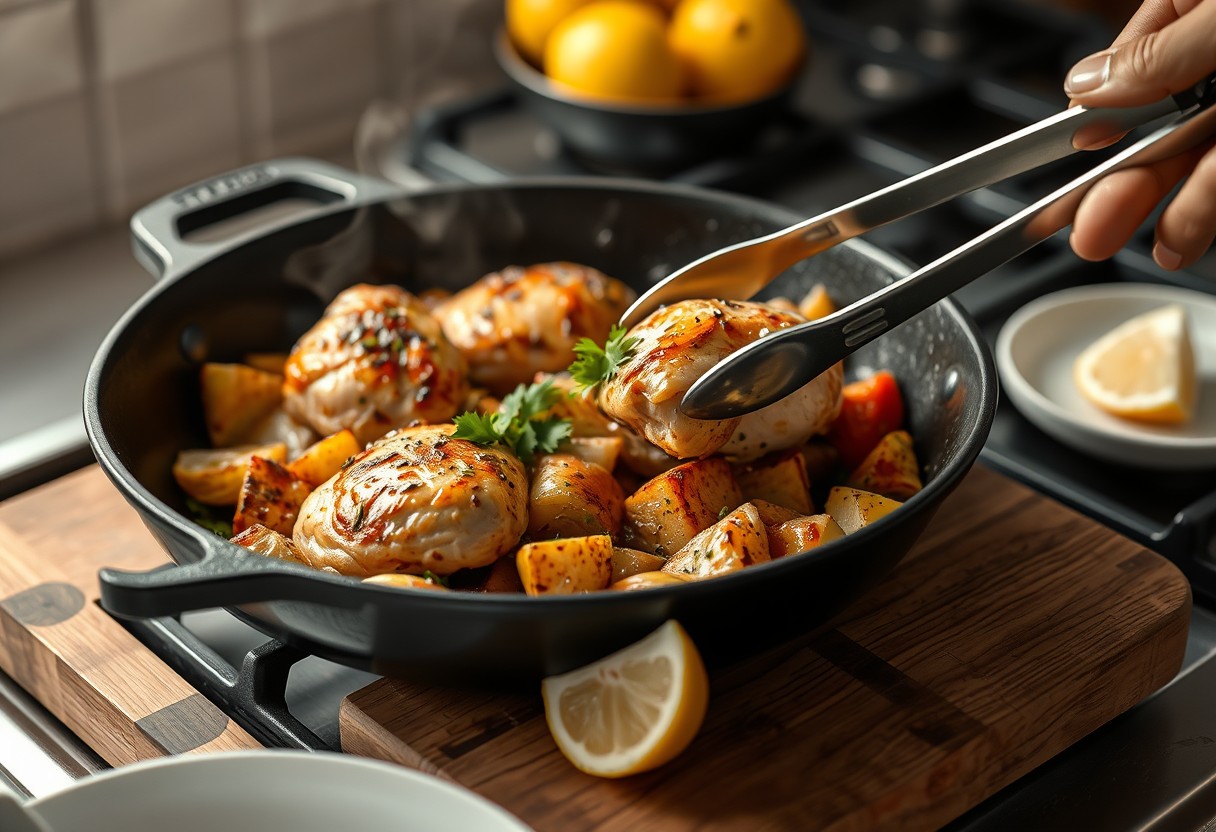
You can turn cold, dull leftovers into a meal that tastes just-made with the right technique. The key is avoiding sogginess and flavor loss-common dangers when reheating. Using dry heat methods like a skillet or oven restores texture, while finishing with fresh herbs or acid brings brightness back to tired dishes. You don’t need special tools, just smart, simple steps.
Key Takeaways:
- Reheating food in a skillet on the stovetop restores texture better than a microwave, especially for items like pizza, fries, and roasted vegetables, by reintroducing crispness through direct heat.
- A short steam session with a splash of water and a lid can revive dry grains, dumplings, or steamed dishes without turning them mushy, preserving moisture and mouthfeel.
- Finishing reheated dishes with a fresh touch-such as a squeeze of lemon, chopped herbs, or a drizzle of olive oil-adds brightness and masks any stale notes from storage.
The Skillet Resurrection
Heat transforms leftovers like nothing else, and your skillet is the fastest path to revival. Place a thin layer of oil or butter over medium heat, then add your food in an even layer-don’t crowd the pan. Let it sit undisturbed for a minute to develop a caramelized crust, which adds depth and texture lost during refrigeration. Stir occasionally, allowing all sides to reheat evenly and regain flavor. For meats or stir-fries, a splash of broth or soy sauce boosts moisture and brightness. This method works best when you avoid low heat, which steams instead of sears.
The Oven Sanctuary
Heat restores what time dulls, and the oven reignites flavor better than any other method. When you place leftover food inside, the dry, even warmth penetrates deeply, reviving texture and aroma without turning meals into mush. Set the temperature to a moderate 325°F and cover your dish with foil to preserve moisture while preventing over-browning. For items like roasted vegetables or crispy-skinned proteins, a final 2-3 minutes uncovered delivers a remarkable restoration of crunch-something few other reheating techniques can achieve.
The Steam Solution
Reviving delicate foods like rice, vegetables, or dumplings is simple when you harness the power of steam. Place a metal trivet in a pot with an inch of water and set your leftovers in a heatproof bowl or steamer basket above it. Cover with a tight-fitting lid and heat on medium until steam gently rewarms the food, usually 3-5 minutes. This method prevents drying or scorching, preserving both texture and moisture. Never let food sit directly in water, or you’ll risk turning fluffy rice into mush. Steaming works best when you want to maintain lightness without sacrificing warmth or flavor.
Avoiding the Microwave Pit
You’ve likely reheated leftovers in the microwave only to find them soggy, unevenly warmed, or stripped of flavor. This common shortcut destroys texture and dulls taste, turning last night’s delicious meal into a disappointing chore. Instead of defaulting to the microwave, try alternative methods that preserve integrity. For example, learn how I turn Thanksgiving dinner into a week of meals using techniques that keep food vibrant and appetizing. Your palate will notice the difference immediately.
The Finish Line Flavors
You can turn reheated leftovers into something that tastes genuinely fresh with just a few final touches. A squeeze of lemon juice brightens up dull vegetables, while a drizzle of good olive oil adds richness to grains and proteins. Fresh herbs like cilantro, parsley, or basil make a world of difference-they trick your palate into thinking the dish was just plated. A pinch of flaky salt at the end boosts flavor instantly, and a splash of vinegar can revive a stew or sauce better than any reheat method alone. These small steps are the difference between “good enough” and “I’d eat this anytime”.
To wrap up
You now have simple, reliable methods to make leftover food taste freshly prepared. Reheating isn’t just about warmth-it’s about restoring texture, aroma, and flavor. Whether you use a skillet for crispiness, the oven for even heat, or steam for moisture, each technique plays a role. A final touch of salt, acid, or fresh herbs lifts the dish just like a chef would. You don’t need special tools or ingredients-just attention to method and timing. With these strategies, your leftovers taste vibrant, not secondhand.
FAQ
Q: Why does leftover food often taste stale or dry the next day?
A: Leftovers lose moisture during storage and initial reheating, especially in the microwave, which can cause uneven heating and a rubbery texture. Starches in rice and pasta can harden when cooled, while proteins like chicken or beef may dry out without proper moisture retention. Reheating methods that reintroduce heat and humidity-like using a skillet with a splash of liquid-help restore texture and flavor.
Q: Can I make cold, refrigerated pasta taste like it was just cooked?
A: Yes. Instead of microwaving, heat a skillet with a small amount of olive oil or broth over medium heat. Add the pasta and a few drops of water or sauce, then stir frequently. The gentle, direct heat softens the starches and redistributes moisture. Finish with a sprinkle of fresh herbs or grated cheese to enhance aroma and freshness.
Q: Is there a way to revive crispy-skinned proteins like roasted chicken or fish?
A: The oven works best for restoring crispness. Place the leftover protein on a wire rack over a baking sheet and heat at 350°F (175°C) for 10-15 minutes. The dry, circulating air removes surface moisture and re-crisps the skin without overcooking the inside. Avoid the microwave, which turns crispy textures into a soggy layer.
Q: How can I add freshness to leftover vegetables without overcooking them?
A: Steam is the most effective method. Set a metal steamer basket over simmering water, place the vegetables inside, and cover for 3-5 minutes. This gently reheats them while preserving color and texture. Toss with lemon juice or a drizzle of toasted sesame oil after steaming to brighten the flavor.
Q: What’s the best way to finish reheated food so it doesn’t taste like leftovers?
A: A finishing touch makes all the difference. Stir a spoonful of fresh pesto into reheated grains, squeeze lime over taco fillings, or add a pat of herb butter to warm steak slices. Fresh garnishes like chopped scallions, cilantro, or cracked pepper trick the palate into perceiving the dish as newly prepared, even if it started as last night’s dinner.