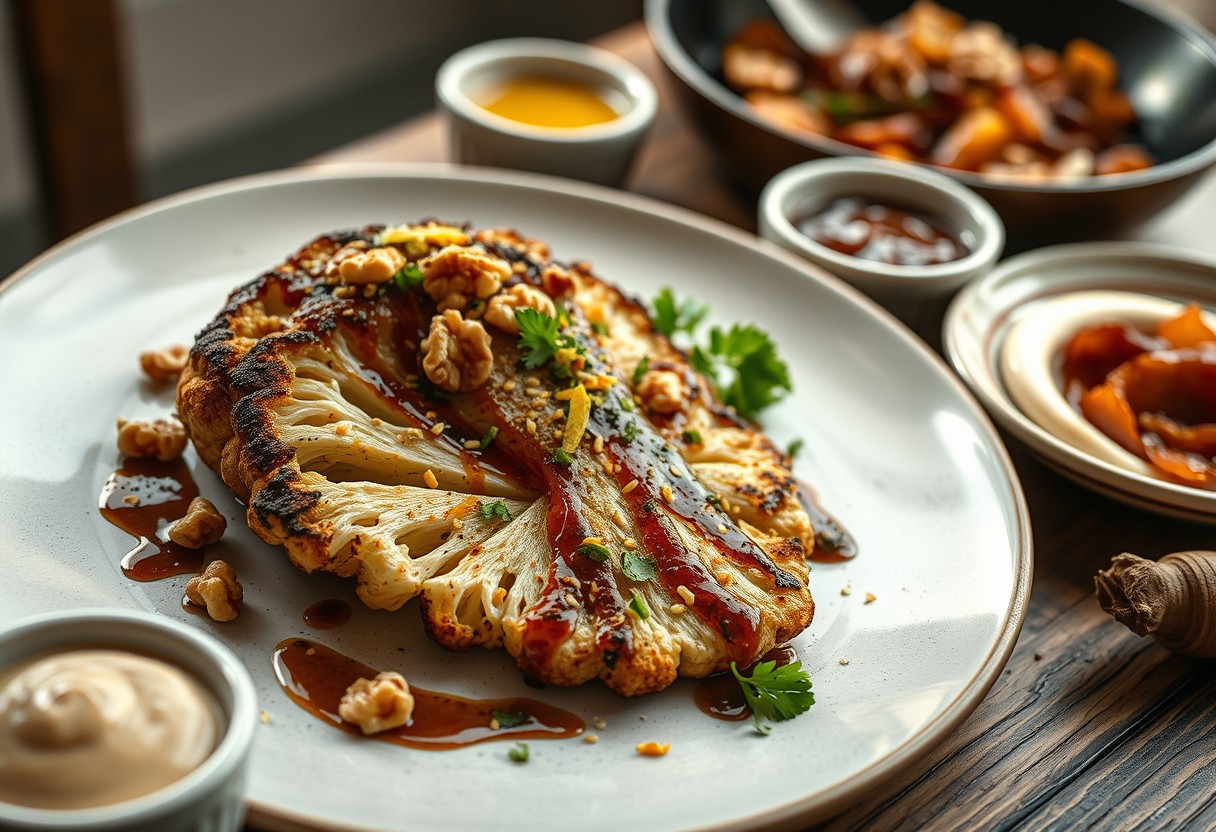
You can create deeply satisfying meals without relying on heavy dairy. By using smart cooking techniques and umami-rich ingredients, you build flavor that feels indulgent but supports your health goals. The danger lies in assuming low-fat means bland-this couldn’t be further from the truth. With the right approach, healthy food becomes luxurious through natural depth and complexity.
Key Takeaways:
- Umami-rich ingredients like mushrooms, tomatoes, miso, and nutritional yeast add deep, satisfying flavor without relying on heavy dairy.
- Roasting vegetables until caramelized brings out natural sweetness and complexity, enhancing richness in dishes with no cream needed.
- Pureed beans, lentils, or cooked grains can thicken sauces and soups, giving them a creamy texture while boosting fiber and protein.
Identifying Umami Factors for Deep Flavor
To build rich-tasting dishes without relying on butter or cream, focus on ingredients naturally high in glutamates, the compounds responsible for savory depth. Mushrooms, aged cheeses, ripe tomatoes, and soy sauce deliver a satisfying umami punch that enhances mouthfeel and complexity. By integrating these elements into sauces, soups, and grain bowls, you create a more indulgent experience while keeping the dish nutritious. The key is recognizing which foods contribute natural savoriness and using them strategically to mimic the richness typically provided by animal fats.
- Mushrooms – especially shiitake and cremini – are packed with natural glutamates
- Soy sauce and tamari add salt and deep umami in small amounts
- Ripe tomatoes and sun-dried variants intensify flavor through concentration
- Fermented foods like miso paste layer savory notes without heaviness
- Aged plant-based cheeses contribute richness and complexity
Sourcing natural glutamate-rich ingredients
You can significantly deepen flavor by selecting ingredients that naturally contain high levels of glutamates. Ripe heirloom tomatoes, especially when concentrated through roasting or drying, offer a sweet yet savory backbone to sauces and stews. Fermented soy products like miso and tamari introduce a complex, rounded savoriness that lingers on the palate. A small spoonful enriches dressings or braising liquids without overpowering. These ingredients provide a clean, intense taste of richness that supports the overall profile without adding fat or sodium in excess.
Layering dried mushrooms and seaweed for intensity
Dried mushrooms hold a more concentrated umami punch than their fresh counterparts, making them ideal for building robust flavor bases. When rehydrated and simmered into broths or blended into sauces, they contribute an earthy depth that mimics long-simmered stocks. Adding a strip of kombu or other edible seaweed during cooking further boosts glutamate content, creating a synergistic effect. This combination delivers a profoundly savory character that transforms simple dishes into something deeply satisfying, all without dairy or added fat.
Mastering Roasting and Caramelization Tips
High-heat cooking transforms humble vegetables and proteins into deeply satisfying dishes by activating natural browning processes. When you roast at temperatures above 400°F, Maillard reactions and caramelization work together to develop complex, savory-sweet notes without any dairy. Use a wire rack on your baking sheet to ensure even air circulation, allowing moisture to escape and crisp exteriors to form. Choose ingredients high in natural sugars-like carrots, onions, and bell peppers-for the most dramatic flavor shifts. A light coating of oil is sufficient; too much can inhibit browning.
- Roast at 400°F or higher to trigger deep browning
- Space ingredients evenly to prevent steaming
- Use concentrated heat to amplify natural sweetness
- Select high-sugar vegetables for best caramelization
- Pat proteins dry before roasting to accelerate Maillard development
Achieving the Maillard reaction with minimal oil
Perfect browning doesn’t require drenching food in oil. You can trigger the Maillard reaction by drying the surface of meats or tofu thoroughly before cooking-moisture is the main barrier to browning. Use a heavy skillet preheated over medium-high heat and add just enough oil to coat. Let the food sear undisturbed for several minutes to build a rich, golden crust. Cast iron pans retain heat best, ensuring consistent contact and maximum flavor development without excess fat.
Slow-cooking aromatics to develop sweetness
Onions, garlic, leeks, and shallots transform dramatically when cooked slowly over low heat. You draw out their natural fructose by sweating them gently in a thin layer of oil or broth, allowing time for sugars to concentrate and deepen. This process builds a silky, jam-like base that adds body and subtle sweetness to sauces, soups, and grain dishes. Never rush it-cooking too fast leads to burning, not flavor development. After 20-30 minutes, the aromatics should turn a deep amber, releasing a rich, almost nutty fragrance.
Using Acid and Fermentation to Balance Palates
Tartness and tang can transform a flat dish into something deeply satisfying without relying on heavy dairy. A splash of vinegar or a spoonful of fermented vegetables introduces a sharp contrast that mimics the complexity traditionally delivered by butter or cream. These elements don’t just cut through richness-they awaken the palate, making flavors feel layered and intentional. The slight effervescence in cultured foods adds a textural intrigue that enhances overall depth, proving that brightness is just as powerful as fat when building luxurious taste.
Selecting the right vinegars and citrus for brightness
You’ll find that not all acids deliver the same punch. Sherry vinegar brings nutty depth, while yuzu juice offers floral zing ideal for delicate sauces. Red wine vinegar adds boldness to hearty stews, and rice vinegar lends subtlety to dressings without overpowering. A squeeze of lemon at the end of cooking lifts flavors instantly, creating a lively, restaurant-quality finish. Start with small amounts-you can always add more-but be mindful that overly aggressive acids can dominate if used too liberally.
Incorporating miso and cultured foods for funk
Miso paste dissolves easily into soups, glazes, and marinades, contributing a savory depth that feels indulgent despite being low in fat. Its fermented nature introduces a subtle umami backbone that makes dishes taste richer than they are. Sauerkraut juice stirred into bean purees or kimchi folded into grain bowls adds both heat and tang, delivering a complex, lingering finish typically associated with long-simmered sauces. These ingredients bring bold character without compromising nutritional integrity.
Selecting Nutrient-Dense Plant-Based Fats
Avocados and nut butters deliver a rich, satisfying mouthfeel without relying on saturated dairy fats. You can use these whole-food fats to create dishes that feel indulgent while boosting nutritional value with heart-healthy monounsaturated fats and fiber. Swapping butter for mashed avocado in dressings or spreading almond butter on whole grain toast adds depth and creaminess naturally. The key is using them at their peak ripeness or freshness to ensure optimal flavor and texture, letting their inherent richness stand out without masking.
Blending cashews for dairy-free cream substitutes
Cashews transform into a luxuriously smooth, dairy-free cream when soaked and blended until velvety. You’ll find this base works beautifully in soups, sauces, or even plant-based cheesecakes, delivering a neutral flavor and dense consistency. Soak raw cashews in water for at least four hours or boil them for 15 minutes to soften, then drain before blending. The result is a high-fat alternative rich in minerals like magnesium, offering indulgence without compromising health goals.
Utilizing avocado for silkiness in sauces and dressings
Avocado’s naturally buttery texture makes it ideal for creating silky, emulsified sauces and dressings without cream or oil. You can blend ripe avocado with lemon juice, garlic, and herbs to make a luscious pasta sauce or green dressing that clings perfectly to vegetables. Its mild flavor absorbs seasonings well while adding beneficial fats and potassium. Unlike heavy dairy creams, avocado enriches dishes without weighing them down, maintaining a bright, fresh character in every bite.
Building Body with Pureed Vegetable Bases
Blending starchy or creamy vegetables into your sauces transforms thin, flat liquids into something far more satisfying. You achieve a rich mouthfeel without relying on heavy dairy, all while increasing nutritional value. The natural starches and fibers in these vegetables emulsify smoothly, creating a velvety consistency that clings to pasta or coats a spoon. This method works especially well in soups, sauces, and casseroles where depth of texture enhances the perception of indulgence. When executed well, your guests won’t miss the cream at all.