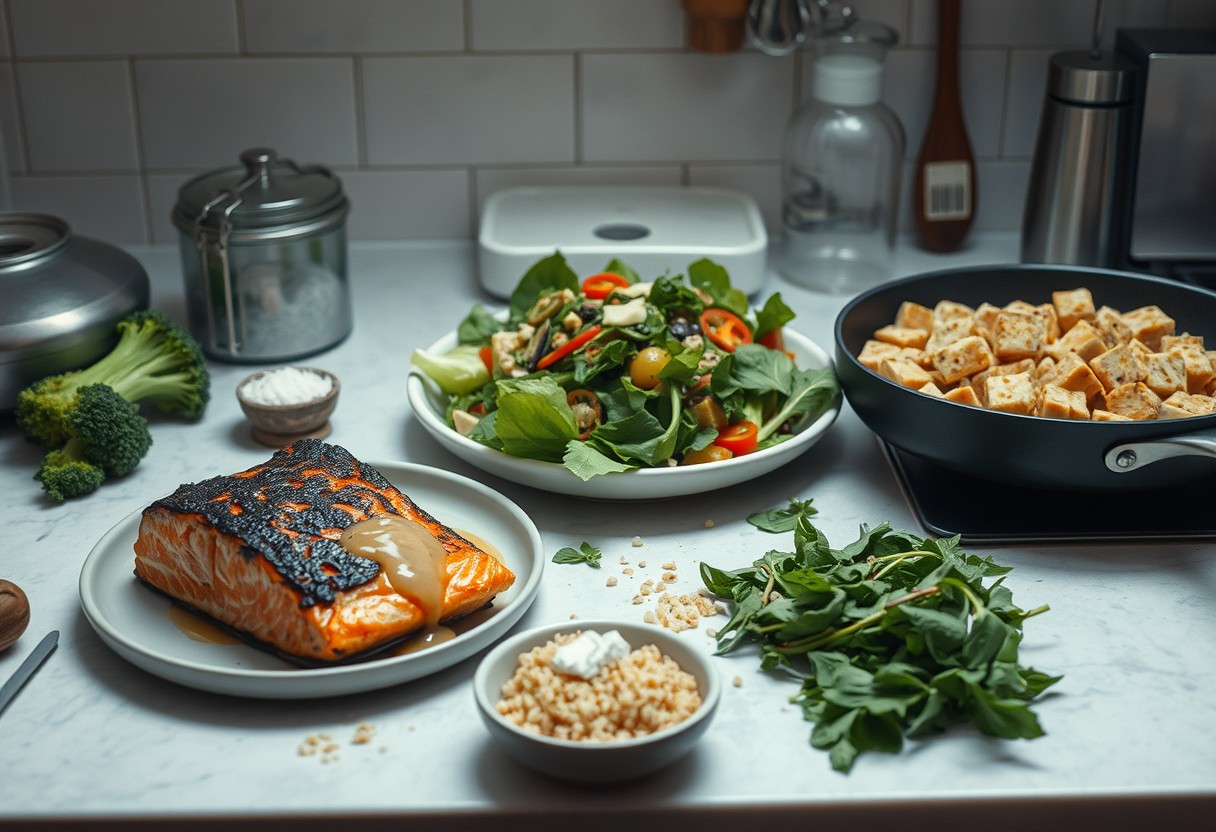
You buy fresh vegetables, high-quality proteins, and whole grains, expecting a flavorful, nutritious meal. Yet the result often falls flat. Even healthy ingredients can fail when common cooking errors go unnoticed. Overcrowding pans, under-seasoning, and ignoring oil smoke points sabotage taste and texture. With the right techniques, you transform simple foods into satisfying dishes-every time.
Key Takeaways:
- Overcrowding a pan lowers the temperature too quickly, preventing proper browning and leading to steamed, soggy food instead of a crisp sear.
- Under-seasoning throughout the cooking process results in flat, lifeless flavors, even when using high-quality ingredients.
- Skipping a final touch of acid-like lemon juice or vinegar-can leave dishes tasting dull, no matter how well they are otherwise prepared.
The Searing Sin of the Crowded Pan
Overfilling your pan sabotages one of the most powerful reactions in cooking: caramelization. When too many ingredients crowd the surface, they release moisture faster than the heat can evaporate it, trapping steam and preventing browning. Instead of a rich, golden crust, you end up with gray, boiled results that lack depth and flavor. High heat alone isn’t enough-space is just as essential. For best results, cook in batches and resist the urge to rush. You’ll find more insight on mindful technique in Cooking without Looking: Week Two, where attention transforms outcomes.
The Steam Trap
Placing too many ingredients in the pan at once causes them to sweat instead of sear. As food heats, moisture escapes and accumulates, creating a steaming environment that blocks direct contact with the hot surface. This prevents the Maillard reaction-the chemical process responsible for deep, savory flavors-and leaves proteins and vegetables limp and pale. Even high heat becomes ineffective when overwhelmed by excess moisture. To avoid this trap, give each piece room to breathe and let the pan do its job properly.
The Gray Meat Blues
Seeing dull, gray meat after cooking often traces back to overcrowding, not poor quality. Without adequate space, meat releases juices that pool and simmer rather than sizzle, inhibiting crust formation. The result is a textureless exterior and lost opportunity for flavor development. Proper searing relies on dry surfaces and unobstructed heat transfer, both compromised when the pan is overloaded. Cooking in smaller batches ensures each piece develops that desirable, restaurant-quality color and taste.
The Cowardice of the Under-Seasoned Pot
Salt isn’t just a seasoning-it’s the foundation of flavor. When you hesitate to season as you cook, you rob your ingredients of depth and complexity. Layering salt throughout the cooking process allows it to penetrate proteins, enhance browning, and build a balanced taste profile. Waiting until the end means surface-level seasoning at best, leaving dishes flat and underwhelming. Confidence in seasoning transforms simple ingredients into memorable meals; restraint out of fear only dulls their potential.
Fear of the Salt Cellar
You often hold back because you’re afraid of making the dish too salty, but this hesitation does more harm than good. Under-seasoned food lacks dimension and fails to stimulate the palate, turning even high-quality ingredients into bland disappointments. Each stage of cooking presents an opportunity to deepen flavor-salt added early integrates seamlessly, enhancing rather than overpowering. Trust your instincts, taste as you go, and correct later if needed. The risk of being bold is far better than serving something forgettable.
The Late Seasoning Failure
Adding all your salt at the end might seem safe, but it’s a fundamental mistake. Salt applied late sits on the surface, creating a sharp, one-dimensional hit without integrating into the dish’s overall flavor. It can’t influence the chemical reactions during cooking that create savory depth, like the Maillard reaction or protein breakdown. You miss the chance to shape how the dish evolves. By the time you taste it again, it’s too late-the structure of flavor has already been set, and no last-minute pinch can truly fix it.
The Death of the Vibrant Vegetable
Even the freshest produce can fall victim to poor technique, turning crisp, colorful vegetables into lifeless sides that drain the energy from your plate. You’re not just losing texture-you’re sacrificing flavor, nutrition, and visual appeal with every misstep. The way you handle vegetables during cooking determines whether they remain lively or collapse into disappointment. Mastering this balance means respecting timing, heat, and structure, ensuring each bite delivers on what good ingredients promise.
The Mush Factor
Overcooking is the single most destructive habit when it comes to green beans, broccoli, or spinach. You likely start with high heat, but failing to pull vegetables off the flame at the right moment leads to a rapid breakdown of cell walls, resulting in limp, shapeless results. Even steaming too long can leach firmness until tongs meet resistance only from mush. Crisp-tender should be your target, not soft compliance-this preserves both mouthfeel and nutrient integrity in every forkful.
Color Loss Catastrophe
Losing that bright emerald hue in asparagus or kale isn’t just cosmetic-it signals a decline in freshness and flavor. When you boil vegetables uncovered for too long, chlorophyll breaks down, leaving behind a dull, olive-toned appearance. This degradation happens faster in alkaline water, so avoid adding baking soda, a common but damaging trick. Instead, work quickly with high heat and minimal liquid, then cool immediately if not serving right away-this shock helps lock in the vivid color you started with.
The Smoke Point Betrayal
Choosing the wrong fat for high-heat cooking silently undermines your meal before the first bite. When you heat an oil past its smoke point, its structure breaks down, releasing acrid smoke and harmful compounds that coat your food in bitterness. Extra virgin olive oil, despite its acclaim, is especially vulnerable-its delicate polyphenols degrade under intense heat, turning a golden sear into a charred, unpleasant experience. You assume you’re cooking healthy, but that burnt aroma is a warning: your oil has failed, and so has your dish.
Extra Virgin Errors
Drizzling extra virgin olive oil into a sizzling pan feels virtuous, but it’s a common misstep. This oil has a low smoke point, often below 375°F, making it unsuitable for frying or searing. When exposed to high heat, its nuanced flavors vanish, replaced by a sharp, rancid edge. You’re not enhancing your dish-you’re degrading both nutrition and taste. Reserve it for dressings or drizzling after cooking to preserve its antioxidants and fresh character.
The Bitter Aftertaste
That faintly bitter note in your stir-fry isn’t from the greens-it’s likely from overheated oil. Once fats begin to smoke, they generate free radicals and aldehydes, compounds linked to oxidative stress and off-flavors. Even if the dish looks fine, your palate detects the damage. You may not realize the source, but your body does: that lingering unpleasantness is a sign your cooking fat has turned toxic. Using oils with higher smoke points prevents this invisible downfall.
The Missing Spark of Acid
The Flat Palette
You’ve seasoned with care and cooked your ingredients to perfection, yet something feels off. The dish lacks brightness, falling flat on the palate no matter how rich or well-prepared. This dullness is a clear sign of a missing element: acid. Without a touch of acidity, even perfectly cooked food can taste one-dimensional and lifeless. Your taste buds need contrast to perceive flavor fully, and when salt and fat dominate without balance, the result is a meal that satisfies texture but not taste.
Citrus and Vinegar Salvation
A splash of lemon juice or a drizzle of vinegar can transform a stagnant dish into something vibrant and alive. These acidic components cut through richness, awakening flavors that were present but previously indistinct. You don’t need large amounts-a small squeeze of lime over roasted vegetables or a dash of apple cider vinegar in a sauce can make the difference between forgettable and memorable. The right acid, added at the end, preserves its sharpness and delivers the essential lift your meal was missing.
Conclusion
You now know how simple missteps can dull even the freshest ingredients. Crowding the pan, fearing salt, boiling vegetables into submission, ignoring oil smoke points, and skipping acid-these habits quietly ruin meals. You’ve seen how heat, timing, and balance shape flavor just as much as the food itself. Adjusting these behaviors doesn’t require new tools or rare ingredients, only attention and practice. A well-cooked dish isn’t about perfection but awareness: of texture, taste, and technique. You’re already equipped to make better choices each time you turn on the stove.
FAQ
Q: Why does overcrowding a pan make food turn out soggy instead of seared?
A: When too many ingredients are dumped into a hot pan at once, they release moisture faster than the heat can evaporate it. This creates steam, which traps the food in a humid environment, preventing browning. A single layer of food with space between pieces allows for direct contact with the hot surface, enabling the Maillard reaction-responsible for rich, savory flavors and a crisp exterior. For best results, cook in batches and resist the urge to pile everything in at once.
Q: How can under-seasoning ruin a dish even when using high-quality ingredients?
A: Premium ingredients like fresh herbs, organic vegetables, or grass-fed meat still need proper seasoning to express their full flavor. Salt doesn’t just add taste-it enhances and balances natural notes. Without enough salt or other seasonings added throughout cooking, layers of flavor remain flat. Seasoning in stages, not just at the end, allows each component to develop depth. A soup made with heirloom tomatoes can still taste bland if salt is added too late or too sparingly.
Q: What happens when vegetables are overcooked, and how does it affect nutrition?
A: Overcooking vegetables breaks down their cell walls excessively, leading to mushy textures and dull colors. It also diminishes certain heat-sensitive nutrients like vitamin C and some B vitamins. Broccoli, for example, turns olive-green and loses its crispness when boiled too long. To preserve both texture and nutritional value, cook vegetables just until tender-crisp using methods like steaming, stir-frying, or blanching.
Q: Can using the wrong oil really affect the outcome of a healthy meal?
A: Yes. Different oils have distinct smoke points-the temperature at which they start to break down and produce smoke. Heating an oil past its smoke point creates bitter flavors and harmful compounds. Extra virgin olive oil, while healthy, has a low smoke point and is unsuitable for high-heat searing. For roasting or frying at high temperatures, choose avocado oil or refined sunflower oil. Matching the oil to the cooking method preserves both flavor and health benefits.
Q: Why is adding acid important in a well-balanced dish?
A: Acid-like lemon juice, vinegar, or wine-brightens flavors and cuts through richness, making a dish feel lighter and more dynamic. A stew that tastes flat might just need a splash of red wine vinegar at the end. Without acid, even perfectly cooked food can seem heavy or one-dimensional. A simple tomato sauce gains complexity with a drizzle of balsamic, and a grain bowl feels more complete with a squeeze of lime.