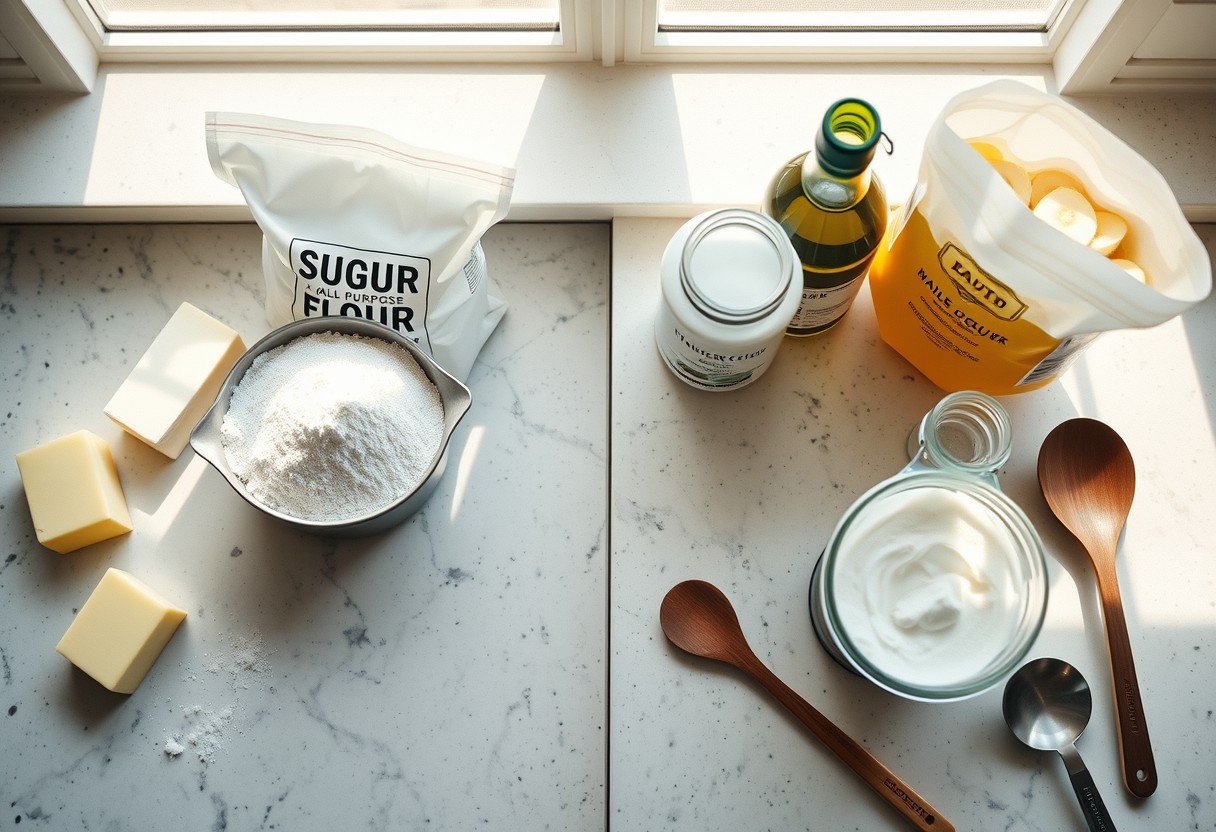
You can reduce your intake of added oils and excess calories simply by switching from frying to roasting vegetables in the oven. This one change cuts down on unhealthy fats without sacrificing flavor or texture. No special equipment or hard-to-find ingredients are needed, making it one of the most accessible and impactful shifts you can make in your daily cooking routine.
Key Takeaways:
- Swapping frying for baking or roasting cuts down on added oils and fats without needing specialty products-just use your oven and everyday ingredients.
- Water or broth can replace oil when sautéing vegetables, keeping dishes moist and flavorful while reducing calorie density.
- Simple pantry items like mustard, yogurt, or tomato paste work as effective bases for marinades and dressings, eliminating the need for store-bought versions high in fat and sugar.
The Greasy Tyranny of the Frying Pan
Sizzling Away a Man’s Longevity
You’re shortening your life every time you pour oil into a hot pan. The daily use of animal fats and refined oils contributes directly to arterial plaque, increasing your risk for heart disease-the leading cause of death worldwide. Each sizzle releases oxidized compounds that trigger inflammation, damaging blood vessels over time. Even “heart-healthy” vegetable oils break down under heat, forming toxic byproducts linked to chronic illness. You don’t need a lab to see the effect-just look at the sticky residue left behind, a mirror of what’s building inside your body.
The Myth of the Essential Grease
Food doesn’t need a slick coat of fat to taste good-that’s a lie sold by decades of culinary habit and marketing. In fact, most dishes gain flavor when not masked by greasy residue. Think of roasted vegetables: their natural sugars caramelize without oil, delivering richer taste and cleaner digestion. Your palate adapts quickly once freed from the dulling film of fat. The belief that grease prevents sticking or adds depth is outdated-modern techniques and proper heat control make oil unnecessary in nearly every case.
The Humble Hydration Alternative
Water isn’t just for drinking-it’s a powerful tool in your daily cooking. You can sauté onions, peppers, or greens using just a splash of water instead of oil, and still achieve rich flavor and tender texture. As the water heats, it helps release natural sugars and aromas, creating a savory base for countless dishes. Skipping oil reduces unnecessary calories and saturated fat without compromising taste. When you use water to cook, you’re choosing a method that supports long-term health, one meal at a time.
Steam as a Culinary Workhorse
Steam carries heat efficiently and preserves the integrity of vegetables far better than oil-heavy methods. You’ll notice broccoli retains its bright green hue and crispness, while carrots soften just enough to bring out their natural sweetness. Using a simple lid to trap moisture transforms your pan into a mini steamer, allowing food to cook evenly. This technique prevents nutrient loss and eliminates the risk of over-browning or burning. Once you see how vibrant and flavorful steamed vegetables can be, you may never reach for the oil bottle again.
Flavor Without the Heavy Burden
Taste doesn’t depend on fat-it thrives on smart technique and timing. As vegetables cook in water, their inherent flavors concentrate, especially when you allow some liquid to evaporate and create light fond on the pan’s surface. Deglaze with a splash of broth or lemon juice to lift those flavorful bits without adding oil. You’ll enjoy deeper, cleaner taste profiles while avoiding the heaviness linked to greasy cooking. Spices and herbs take center stage when not masked by fat, making every bite more satisfying and health-forward.
Mastering the Dry Heat of the Oven
Convection over Costly Concoctions
You unlock even browning and faster cooking when you use your oven’s convection setting, which circulates hot air around the food. This means you can achieve a crisp exterior on vegetables, chicken, or fish without a single drop of oil. The circulating heat removes surface moisture efficiently, allowing golden texture to form naturally instead of relying on deep frying or store-bought coatings. No special tools or ingredients are needed-just the appliance you already own and a simple adjustment to how you use it.
The Golden Brown Illusion
What you perceive as richness from frying is often just color and crunch, both of which the oven can replicate with precision. By roasting at high heat, you trigger natural browning through caramelization and the Maillard reaction, creating depth of flavor without added fat. This method eliminates the hidden calories and oxidative stress of fried foods while delivering the same satisfying bite. A well-heated oven becomes your most reliable tool for transforming everyday ingredients into something that feels indulgent and tastes authentically savory.
Pantry Staples as Secret Agents
Fruit Purees in the Mixing Bowl
You can replace half the butter in a cake with an equal amount of unsweetened apple juice or applesauce without sacrificing moisture or texture. The natural sugars and pectin in the fruit bind the batter and create a tender crumb, while cutting saturated fat by up to 50%. This simple trade works especially well in spice cakes, muffins, or banana bread. Just blend ripe apples until smooth or use leftover juice from homemade applesauce-no special ingredients, no trip to the store, just a quiet transformation of ordinary baking.
Cultured Dairy Substitutions
Plain yogurt or buttermilk can stand in for sour cream in most recipes, offering the same tang and richness with less fat. When you swap them cup for cup in dips, dressings, or baked goods, the results are nearly indistinguishable. The live cultures also help tenderize gluten, leading to softer textures in pancakes, scones, and quick breads. This isn’t about compromise-it’s about using what you already have to achieve a better balance of flavor and nutrition without altering your routine.
Final Words
You already have everything you need to make healthier meals without buying special equipment or obscure ingredients. Simple shifts-like roasting instead of frying, using water or broth for sautéing, or relying on spices from your cupboard-deliver real results without complexity. These everyday techniques work in your current kitchen with your existing pots and pans. You don’t need a gourmet store or a nutrition coach to eat better. Consistency matters more than perfection, and small changes add up over time. Start tonight with one swap, and let it become second nature.
FAQ
Q: What does “healthier cooking swap” mean in this context?
A: It refers to replacing common cooking methods that rely heavily on added fats-like frying in oil-with techniques that use little or no oil, such as roasting, steaming, or sautéing with water or broth. This shift helps reduce calorie intake and avoid harmful compounds formed when oil overheats, all without requiring specialty products or ingredients you don’t already have in your kitchen.
Q: Can I really cook without oil and still get good flavor and texture?
A: Yes. Roasting vegetables at high heat caramelizes their natural sugars, creating depth and crispiness without oil. For sautéing, a splash of water, broth, or tomato juice can prevent sticking while allowing food to brown. Spices, citrus juice, vinegar, and salt boost flavor just as effectively as fat. A mid-sized SaaS firm might track user engagement, but in a home kitchen, a sprinkle of smoked paprika or a squeeze of lemon delivers noticeable brightness without grease.
Q: Isn’t cooking without oil going to dry out my food?
A: Not if you use the right method. Dry heat from an oven or air fryer concentrates flavor and creates a crispy exterior while moisture inside the food keeps it tender. For stovetop cooking, deglaze the pan with small amounts of liquid as needed. Baking a chicken breast with a cover or wrapping fish in parchment traps steam, ensuring juiciness. These are time-tested techniques used in cuisines worldwide, long before nonstick pans or oil-heavy recipes became common.
Q: Do I need special equipment to make this swap?
A: No. A standard oven, stovetop, baking sheet, and a few basic pots and pans are enough. A nonstick or well-seasoned cast-iron skillet helps when sautéing without oil, but even a regular pan works with careful heat control and occasional additions of liquid. The goal is to rely on technique, not gadgets or specialty ingredients labeled “healthy” or “low-fat.”
Q: How do I start making this change without overhauling my entire routine?
A: Begin with one dish. Try roasting potatoes on a sheet pan with a pinch of salt and rosemary instead of frying them. Make stir-fried vegetables using water or broth instead of oil. Once those methods feel natural, apply them to other meals. Small, consistent shifts build confidence and flavor familiarity, making the transition effortless and sustainable over time.