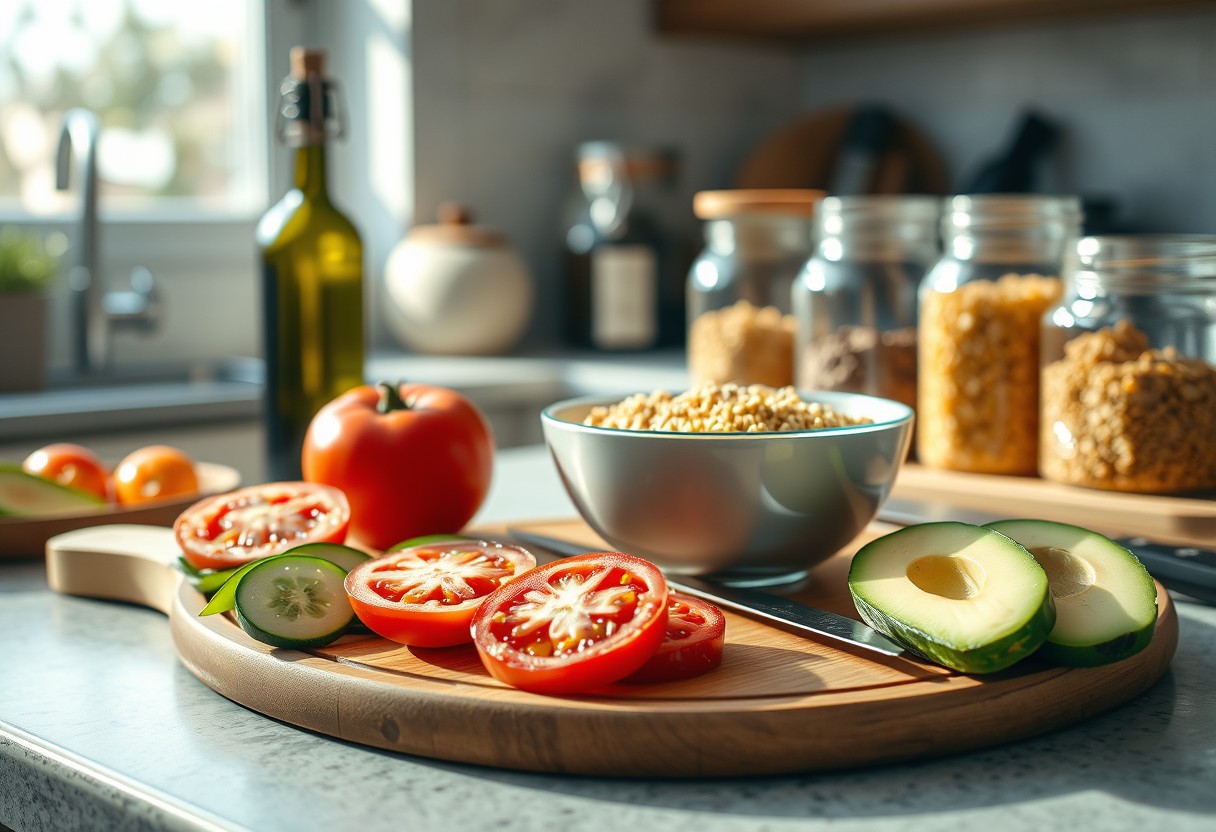
You can improve your daily eating habits without rigid rules or cutting out entire food groups. Restrictive diets often lead to burnout and rebound overeating, but building balanced meals sustainably supports long-term health. This approach focuses on simple, flexible choices that prioritize whole foods, portion awareness, and satisfaction. You maintain control without deprivation, making better nutrition a natural part of your routine.
Key Takeaways:
- A balanced meal doesn’t require rigid rules-focus on combining whole foods like vegetables, lean proteins, and complex carbohydrates in simple, flexible combinations that fit your routine.
- Building flavor with herbs, spices, citrus, and healthy fats reduces reliance on excess salt, sugar, or high-calorie sauces while keeping meals satisfying and enjoyable.
- Stocking a well-curated pantry with items like beans, whole grains, canned tomatoes, and nuts makes it easier to assemble nutritious meals quickly, even on busy days.
How to Master the Balanced Plate Framework
Your plate should reflect a simple, visual balance that supports steady energy and fullness. Divide it into clear sections: half filled with colorful vegetables, one-quarter with lean protein, and the final quarter with whole grains or starchy vegetables. This layout naturally regulates macronutrient intake without tracking a single number. Protein and fiber are the foundation of satiety, helping you stay satisfied longer. For more on sustainable habits, check out 9 Ways to Lose Weight Without Dieting.
Prioritizing lean protein and fiber
Filling a full quarter of your plate with lean protein-like chicken breast, tofu, or white fish-triggers the release of hormones that signal fullness to your brain. Pair that with high-fiber foods such as lentils, broccoli, or Brussels sprouts, and you create a powerful internal environment for appetite control. These foods digest slowly, preventing blood sugar spikes and reducing cravings later. You don’t need exotic ingredients-just consistent choices that support long-term balance.
Managing portion sizes without counting calories
Use your hand as a built-in portion guide to avoid measuring cups or calorie apps. Your palm determines a proper serving of protein, your fist equals vegetables, your cupped hand fits carbohydrates, and your thumb approximates healthy fats. This method simplifies meal assembly while keeping portions in check. You’ll eat less mindlessly and feel satisfied without restriction. Over time, your body learns natural hunger and fullness cues, making strict tracking unnecessary.
Tips for Curating Quality Pantry Staples
Building a resilient, nourishing kitchen starts with stocking nutrient-dense dry goods that support daily meals without relying on processed shortcuts. Your pantry should anchor around whole, minimally processed items that retain their natural fiber, protein, and micronutrients. Choosing quality over convenience means reading labels carefully and avoiding added sugars or refined grains. A well-curated collection of staples ensures you can assemble balanced meals quickly, even on busy days, while supporting long-term health through consistent, real-food choices.
- Choose whole grains like brown rice, quinoa, and farro for sustained energy
- Prioritize legumes such as lentils, chickpeas, and black beans for plant-based protein
- Store healthy fats like nuts, seeds, and extra virgin olive oil in cool, dark places
- Opt for no-salt-added canned beans and tomatoes to control sodium intake
- Select 100% whole grain pasta and oats to maximize fiber and nutrients
Selecting versatile whole grains and legumes
You’ll find lasting value in choosing whole grains and legumes that cook well together and adapt to various cuisines. Brown rice holds its texture in bowls and salads, while quinoa offers a complete amino acid profile ideal for meatless meals. Lentils require no soaking and break down into rich, hearty stews. Canned beans are acceptable when dried aren’t practical-just rinse to reduce sodium. These fiber-rich foundations stabilize blood sugar and keep you full longer, making them essential for everyday eating that supports energy and digestion.
Identifying healthy fats for cooking and dressing
Healthy fats form the backbone of satisfying meals and proper nutrient absorption, especially for fat-soluble vitamins. Extra virgin olive oil retains antioxidants and polyphenols when used at low to medium heat or drizzled raw over finished dishes. Avocado oil works for higher-temperature searing but choose expeller-pressed versions to avoid chemical solvents. Raw nuts and seeds add crunch and nutrition to meals while providing essential fatty acids. Store these fats properly to prevent rancidity and preserve their health benefits over time.
How to Build Flavor Without Extra Calories
Building bold taste in your meals doesn’t require added fats or sugars-instead, focus on layering smart flavor boosts that cost almost no calories. Aromatics like garlic, ginger, onions, and shallots form a powerful foundation when sautéed in a splash of broth or water instead of oil. Citrus zest, chili flakes, and toasted seeds add complexity without piling on calories. By anchoring your cooking around these vibrant, low-cost ingredients, you create dishes that feel rich and satisfying while staying aligned with everyday wellness goals. Flavor depth is achievable-and sustainable-without compromise.
Mastering the use of fresh herbs and spices
You unlock a new dimension of taste by treating fresh herbs and spices as essential ingredients, not just garnishes. Cilantro, basil, dill, and mint add bright, distinct notes that transform simple proteins or grain bowls into restaurant-quality meals. Add delicate herbs at the end of cooking to preserve their aroma, while hardy spices like cumin or smoked paprika benefit from brief toasting to release their full potential. Even a small sprinkle of fresh parsley can make a dish feel intentional and alive. These natural flavor powerhouses contribute zero calories but deliver maximum sensory impact.
Using vinegar and citrus to brighten heavy dishes
A splash of acidity can completely shift how your food tastes, cutting through richness and awakening your palate. Lemon juice, lime juice, apple cider vinegar, or sherry vinegar work quickly to lift stews, roasted vegetables, or grilled meats, making them feel lighter and more balanced. Try finishing a lentil soup with a squeeze of lemon or drizzling balsamic over roasted beets-these small acts create big flavor shifts. Because acids enhance perception of other tastes, you’ll often need less salt or fat to achieve satisfaction, making this one of the most effective tools in your everyday cooking toolkit.
Strategic Meal Prep Factors for Efficiency
Streamline your cooking routine by focusing on component-based meal prep, where you prepare key elements in batches to mix and match throughout the week. Cooking foundational components like grains, roasted vegetables, and sauces ahead of time reduces daily decision fatigue. You save time and energy by eliminating repetitive tasks, making it easier to assemble balanced meals without relying on strict diet rules. The consistency of routine turns healthy eating into a natural habit rather than a chore.
- Prepare grains in bulk like quinoa or brown rice for quick assembly
- Roast a variety of colorful vegetables to rotate through meals
- Cook versatile plant-based sauces such as tahini or chimichurri
- Use air-tight containers to preserve freshness and prevent waste
Batch-cooking proteins for multiple uses
Transform how you approach weeknight dinners by cooking proteins in large quantities at the start of the week. Grilled chicken, baked tofu, or slow-cooked beans can be repurposed into salads, wraps, or grain bowls with minimal effort. You reduce daily cooking time significantly while ensuring consistent protein intake without monotony. Pre-cooked proteins stay flavorful and safe when stored properly, giving you reliable building blocks for diverse meals.
Pre-washing and chopping seasonal vegetables
Start your prep by washing and cutting vegetables immediately after grocery shopping to eliminate barriers to healthy cooking later. Carrots, bell peppers, and cucumbers stay crisp and ready-to-use when stored in clear containers at eye level. This simple act increases the likelihood you’ll grab them for quick sides or snacks. The visibility and convenience of prepped vegetables dramatically boosts your daily intake without requiring extra effort at mealtime.
Environmental Factors Influencing Eating Habits
Your dining environment plays a powerful role in shaping what and how much you eat. By designing a calm, intentional space-free from clutter and stress cues-you naturally support mindful choices over impulsive ones. Soft lighting, pleasant tableware, and a dedicated eating area signal to your brain that this is a moment to pause and focus. These subtle cues help shift your relationship with food from reactive to reflective, making it easier to recognize satisfaction. The atmosphere you create becomes an invisible guide, aligning your surroundings with your well-being goals without relying on rigid rules.
Minimizing digital distractions during mealtime
When you eat in front of a screen, your attention splits, making it harder to notice fullness signals. Turning off the TV and putting your phone out of reach allows you to engage fully with your meal. This simple act increases awareness of taste, texture, and portion size, leading to more satisfying and measured eating. Without constant alerts or scrolling, your brain can register when you’re comfortably full. Remaining present protects against overconsumption driven by habit, not hunger.
Understanding the difference between hunger and boredom
You often reach for snacks not because your body needs fuel, but because your mind seeks stimulation. True hunger builds gradually and can wait; boredom-driven eating feels sudden and specific to one food. Pausing for 5-10 minutes before grabbing a bite helps clarify the trigger. If the urge fades, it wasn’t physical hunger. Recognizing this gap empowers you to respond with a walk, a glass of water, or a brief task instead. Distinguishing need from impulse reduces unnecessary eating without restriction.
Conclusion
You build better everyday meals not by restricting yourself, but by making consistent, mindful choices. You choose whole foods over processed ones, build meals around vegetables and lean proteins, and embrace variety instead of rigid rules. Small shifts-like swapping refined grains for whole ones or seasoning with herbs instead of excess salt-add up. You already have the power to shape your eating habits without counting every calorie or banning entire food groups. Focus on progress, not perfection, and let flavor, satisfaction, and nutrition guide your plate.
FAQ
Q: How do I start building better meals if I don’t want to count calories or follow a diet plan?
A: Begin by focusing on food quality and balance instead of restriction. Fill half your plate with vegetables or fruits, one-quarter with lean protein like chicken, beans, or fish, and one-quarter with whole grains or starchy vegetables such as sweet potatoes. This simple visual guide keeps meals nutritious without requiring tracking. A mid-sized SaaS firm employee might pack a lunch of grilled salmon, roasted broccoli, and quinoa, for example, and find they have steady energy through the afternoon without feeling deprived.
Q: Can I still eat carbs and improve my meals?
A: Yes, carbohydrates are not the enemy when chosen wisely. Replace refined grains like white bread and pasta with whole grains such as brown rice, farro, or whole-wheat options. These provide more fiber and help maintain fullness longer. Try a bowl of steel-cut oats topped with berries and a sprinkle of nuts for breakfast-it delivers sustained energy without spikes in hunger later.
Q: What are simple ways to make meals more satisfying without adding extra calories?
A: Boost satisfaction by increasing fiber, protein, and volume with low-calorie ingredients. Add a handful of spinach to scrambled eggs, use Greek yogurt instead of sour cream, or bulk up soups with lentils and extra vegetables. Roasting vegetables brings out natural sweetness, making them more appealing without needing added fats or sugars. A simple side of roasted carrots and zucchini can become a favorite without a single extra calorie.
Q: How can I avoid falling back into unhealthy habits when I’m short on time?
A: Keep a few go-to combinations that require minimal effort but still offer balance. A canned tuna and white bean salad with cherry tomatoes and a drizzle of olive oil takes five minutes and delivers protein, fiber, and healthy fats. Having pre-cut vegetables or frozen stir-fry mixes on hand lets you sauté a nutritious meal quickly. One teacher keeps a container of hummus and sliced bell peppers at work and finds it prevents vending machine stops.
Q: Is it possible to enjoy flavor and still eat better every day?
A: Absolutely. Use herbs, spices, citrus, and vinegar to add bold taste without extra salt or fat. Smoked paprika adds depth to roasted vegetables, while a splash of lime brightens grilled fish. A simple bowl of brown rice and black beans becomes exciting with cumin, garlic, and fresh cilantro. Flavor doesn’t come from calories-it comes from smart, simple ingredients used with intention.