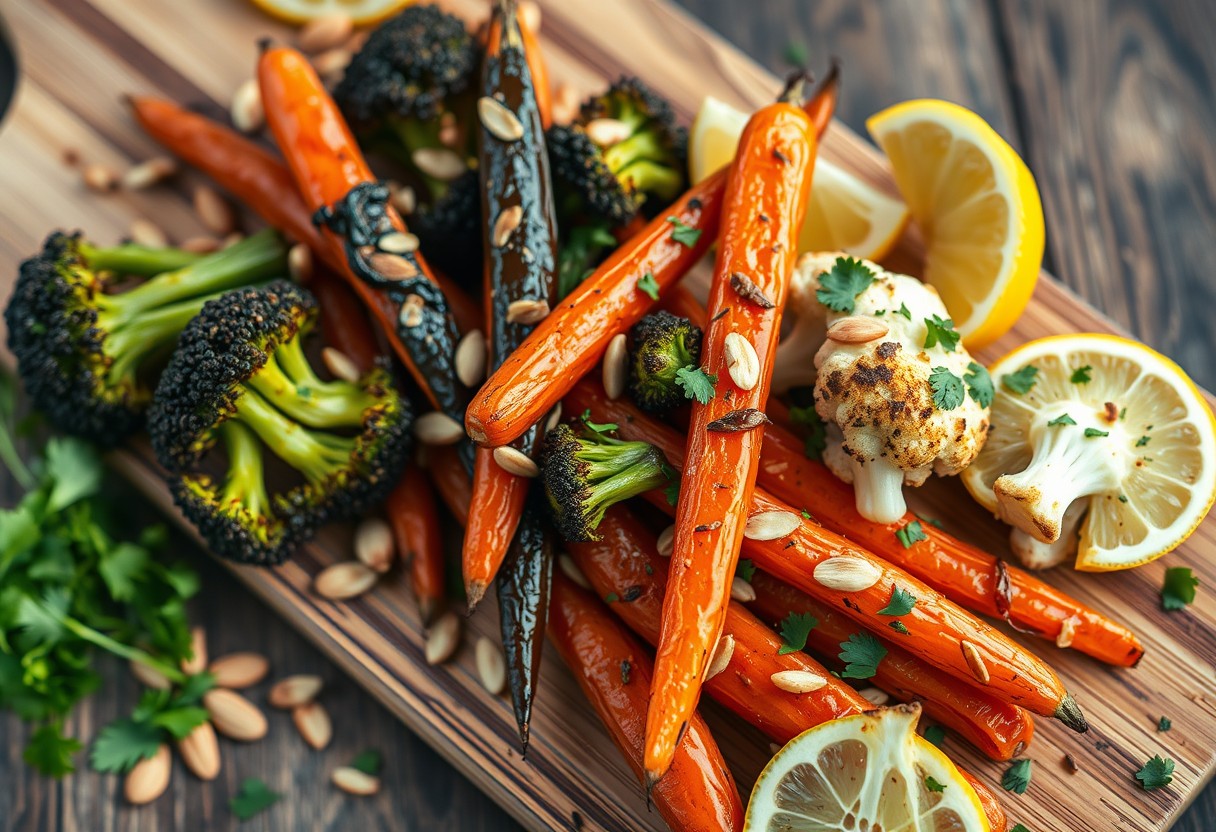
You can transform simple vegetables into deeply satisfying dishes without relying on cheese. High-heat cooking methods like roasting or grilling caramelize natural sugars, boosting flavor and texture. Adding healthy fats, bold spices, and tangy acids creates richness and depth, while choosing hearty varieties like cauliflower, sweet potatoes, or mushrooms ensures your meals feel substantial and nourishing.
Key Takeaways:
- High-heat cooking methods like roasting, grilling, or searing caramelize natural sugars in vegetables, deepening flavor and creating satisfying textures without added cheese.
- Umami-rich plant ingredients such as mushrooms, sun-dried tomatoes, miso paste, and soy sauce enhance savoriness, making vegetable dishes more fulfilling and complex.
- Incorporating healthy fats like olive oil, avocado, tahini, or toasted nuts adds richness and mouthfeel, helping flavors linger and meals feel more complete.
Master High-Heat Cooking Techniques
Roasting for maximum caramelization
You transform vegetables into deeply flavorful dishes by roasting them at high temperatures. When exposed to intense heat, natural sugars in vegetables like carrots, Brussels sprouts, and sweet potatoes begin to caramelize, creating a rich, complex sweetness without added sugar or cheese. Spread them in a single layer on a baking sheet and let them sit undisturbed-crowding the pan leads to steaming, not browning. A hot oven, typically 425°F or higher, ensures crisp edges and tender interiors.
Pan-searing for charred complexity
Perfectly seared vegetables develop a smoky depth that makes them satisfying on their own. Heat your skillet until it’s nearly smoking before adding a thin layer of oil-this high starting temperature ensures immediate browning, not soggy surfaces. Zucchini, mushrooms, and green beans respond exceptionally well, gaining a crisp exterior while staying tender inside. The key is patience: resist stirring too soon so each piece develops an even, flavor-packed crust through direct contact with the pan.
Leverage Umami-Rich Plant Ingredients
Fermented and savory plant components can transform simple vegetables into deeply satisfying dishes by mimicking the richness typically provided by cheese. You achieve this depth by integrating ingredients known for their natural glutamate content, which delivers a meaty, satisfying savoriness without animal products. These elements stand out not just for flavor but for their ability to anchor a dish with complexity, making every bite more rewarding and complete. Relying on these powerful components allows vegetables to take center stage with confidence and intensity.
Using miso and soy for depth
Miso paste brings a fermented depth that enhances roasted or steamed vegetables with minimal effort. When whisked into glazes or dressings, it adds a rich, almost buttery savoriness that clings to each piece. A small amount of dark soy sauce or tamari introduces color and a concentrated umami punch, especially when caramelized slightly over heat. You don’t need much-just a teaspoon can shift the entire flavor profile, making dishes taste heartier and more indulgent without heaviness.
Incorporating dried mushrooms and seaweed
Dried shiitake, porcini, or kombu carry an intense umami concentration that fresh varieties often lack. When rehydrated or simmered in liquids, they release glutamates that deeply enrich broths, grains, or sautéed greens. A strip of kombu in a pot of beans or a handful of powdered porcini in a sauce introduces a profound savory backbone that satisfies on a primal level. These ingredients are quiet powerhouses, transforming modest preparations into something deeply nourishing and memorable.
Incorporate Healthy Fats and Textures
Fat carries flavor and satisfaction, and when you choose the right kinds, it transforms vegetables from side-note to centerpiece. You don’t need dairy to create richness-plant-based fats deliver a luxurious mouthfeel while supporting heart health and satiety. Think of how a drizzle of olive oil makes roasted carrots shimmer or how a handful of toasted nuts turns a simple kale salad into something deeply satisfying. These ingredients add both taste and texture, making each bite more engaging. When fat is balanced with structure and flavor, your vegetable dishes stop feeling like compromises.
Adding crunch with toasted nuts and seeds
Texture plays a powerful role in how satisfying a dish feels, and few things deliver like the crisp snap of toasted nuts and seeds. A sprinkle of almonds, pepitas, or sunflower seeds over steamed greens or grain bowls introduces contrast that keeps your palate engaged. Toasting them first deepens their flavor and intensifies the crunch, turning even humble vegetables into something compelling. You’re not just adding texture-you’re building dimension, making every forkful more interesting without relying on cheese or heavy sauces.
Using avocado and tahini for creaminess
Avocado and tahini bring a naturally smooth, velvety quality that mimics dairy without masking the integrity of the vegetables. When you mash ripe avocado into a warm bowl of roasted sweet potatoes or stir tahini into a dressing for shredded cabbage, you create richness that feels indulgent but remains whole-food based. These ingredients cling well to vegetables, ensuring flavor stays balanced and coating is even. Their subtle nuttiness enhances rather than overwhelms, letting the produce remain the star while still delivering that deeply satisfying mouthfeel you crave.
Balance Flavors with Acid and Aromatics
Acidity lifts the heaviest vegetable dishes, slicing through richness to reawaken your taste buds with every bite. You don’t need cheese to create satisfaction-bright notes from citrus or vinegar can be just as transformative. When you balance earthy or roasted flavors with a sharp tang, vegetables feel more dynamic and complete. A well-placed splash of acid turns a flat dish into something lively and layered, proving that contrast is just as powerful as comfort.
Brightening with citrus and vinegar
Citrus juice or zest adds an instant lift to cooked greens, root vegetables, or grain bowls. A squeeze of lemon over sautéed broccoli or a splash of yuzu in a roasted carrot glaze introduces a refreshing counterpoint that prevents heaviness. Vinegars like sherry, rice, or apple cider offer nuanced acidity without overpowering. You’ll find that even a small amount drizzled at the end can transform a dish from dull to vibrant and memorable.
Infusing with fresh herbs and garlic
Fresh herbs like cilantro, dill, parsley, or basil bring aromatic complexity that enhances rather than masks the vegetable’s natural flavor. Garlic, when gently sautéed or finely grated, weaves a savory depth that feels indulgent without added fat. You’re not hiding the vegetable-you’re highlighting its best qualities through fragrance and finesse. A final sprinkle of chopped herbs before serving delivers a burst of freshness that makes each bite more satisfying.
Factor in Hearty Vegetable Selection
Satiety begins with substance. When you choose vegetables that have a naturally dense structure and higher starch or fiber content, you create meals that physically satisfy hunger for longer. These robust options deliver noticeable heft on your plate and provide sustained energy without relying on dairy or processed additives. Your body responds to the substantial chew and volume, which helps regulate appetite signals. By anchoring your dishes in these hearty varieties, you build plant-based meals that feel complete and deeply nourishing.
Prioritizing tubers and root vegetables
Tubers like sweet potatoes, cassava, and taro offer a rich, starchy foundation that mimics the density of grains or legumes in a meal. When you roast or mash them, their natural sugars caramelize, enhancing flavor while maintaining a high-fiber, nutrient-dense profile. These vegetables deliver long-lasting fullness due to their complex carbohydrate content, making them ideal for center-plate roles. Including them regularly ensures your meals remain satisfying through texture and substance, not just flavor.
Utilizing dense cruciferous varieties
Broccoli stems, Romanesco, and kohlrabi bring a firm, almost meaty texture that holds up well under roasting or grilling. When you prepare these vegetables with attention to doneness-achieving a tender-crisp bite-you preserve both structure and nutritional value. Their high fiber and water content contributes to volume without excess calories, helping you feel satisfied. These often-underused options add palpable substance to salads, bowls, and side dishes, proving that satiety doesn’t require cheese or fat-heavy crutches.
Apply Global Spice Profiles
Spice blends from around the world transform simple vegetables into deeply flavorful dishes without relying on cheese or heavy sauces. You can achieve bold, layered taste by using balanced combinations of ground spices, herbs, and aromatics common in Ethiopian, Indian, Middle Eastern, and North African cuisines. These profiles bring warmth, brightness, and complexity that make vegetables more satisfying on their own. A well-seasoned carrot or cauliflower steak seasoned with global spices becomes a standout dish, not just a side. The right mix awakens the palate and keeps meals exciting.
Building depth with dry rubs
Dry rubs adhere to vegetable surfaces and create a savory crust when roasted or grilled, enhancing both flavor and texture. You can use blends like ras el hanout, za’atar, or smoked paprika with cumin and coriander to add earthy, toasty notes. The spices penetrate slightly during cooking, delivering a more intense and lasting taste than surface seasoning alone. Even humble vegetables like potatoes or zucchini gain restaurant-quality depth with just a tablespoon of well-chosen spices. Press the rub gently into the surface for maximum adherence and impact.
Using aromatic curry pastes
Aromatic curry pastes from Thai, Malaysian, or Indonesian traditions layer ginger, lemongrass, galangal, and chilies into a concentrated base that infuses vegetables with bold, complex flavor. You only need a small amount-just a spoonful-to coat a full batch, making it a low-calorie powerhouse for taste. Sauté the paste in a bit of oil before adding vegetables to unlock its full fragrance and distribute flavor evenly. Bok choy, eggplant, or green beans simmered in a light coconut broth with red curry paste become deeply satisfying, with no cheese required.

Conclusion
You now have practical, flavor-driven strategies to make vegetables deeply satisfying without relying on cheese. By using high-heat cooking methods, layering in umami from mushrooms or fermented sauces, and adding healthy fats like olive oil or avocado, you build richness naturally. Thoughtful seasoning with acid, spices, and aromatic herbs transforms simple dishes into compelling meals. Choosing hearty vegetables and varying textures keeps each bite interesting. You don’t need cheese to create satisfaction-just a shift in how you approach flavor and technique.
FAQ
Q: How can I make roasted vegetables taste more satisfying without using cheese?
A: Roasting vegetables at high heat caramelizes their natural sugars, creating a deeper, richer flavor. Try roasting broccoli, Brussels sprouts, or carrots at 425°F until edges are crisp and interiors tender. Toss them with olive oil, garlic, and a splash of balsamic vinegar before roasting to build complexity. A final sprinkle of flaky salt and fresh herbs like thyme or rosemary enhances the savory finish without needing cheese.
Q: What plant-based ingredients add umami to vegetable dishes?
A: Mushrooms, especially shiitake and cremini, deliver earthy depth when sautéed or grilled. Tomato paste, miso paste, and soy sauce are concentrated sources of umami that blend well into sauces or glazes. A spoonful of white miso stirred into a warm sweet potato mash adds a savory richness comparable to aged cheese, but without dairy.
Q: Can fats really make vegetables more filling? Which ones work best?
A: Healthy fats slow digestion and contribute to a sense of fullness. Drizzling roasted asparagus with extra virgin olive oil or tossing kale salad with sliced avocado adds creaminess and satiety. Toasted nuts like walnuts or almonds provide both fat and crunch. A handful of toasted pine nuts over braised greens makes the dish feel hearty and complete.
Q: How does acid improve the taste of cooked vegetables?
A: Acid brightens flavors and cuts through heaviness, making dishes taste more balanced and complete. A squeeze of lemon juice over steamed green beans lifts their flavor instantly. Pickled red onions added to a grain bowl with roasted squash introduce tang and contrast. Apple cider vinegar in a warm beet salad prevents sweetness from becoming cloying.
Q: Which vegetables are naturally more satisfying and why?
A: Starchy vegetables like potatoes, parsnips, and winter squash have higher fiber and carbohydrate content, which contributes to lasting fullness. A baked sweet potato topped with black beans, salsa, and a dollop of tahini feels substantial due to its complex carbs and texture. Cauliflower, when sliced thick and seared, develops a meaty bite that satisfies chewiness cravings.