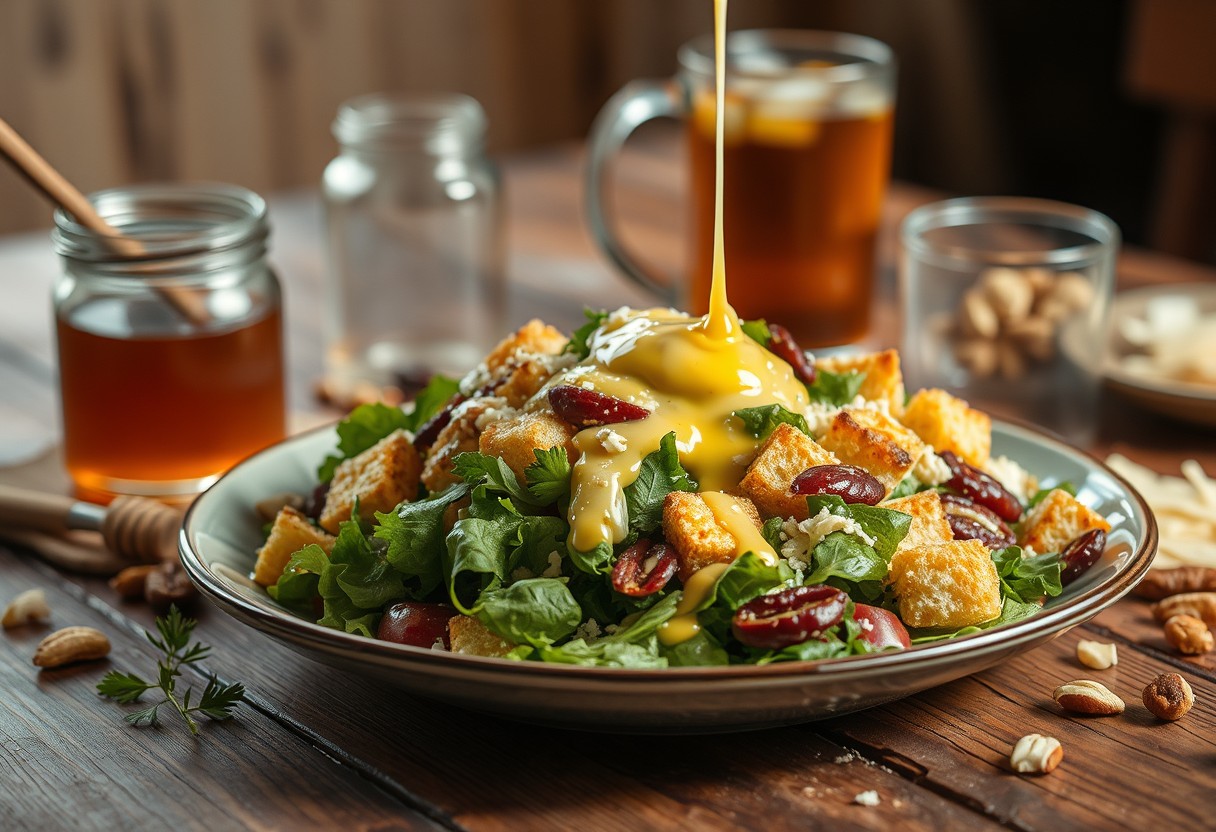
You might think your homemade stir-fry is a model of clean eating, but calorie-dense oils used in sautéing can double its energy content without you noticing. Even with fresh vegetables and lean protein, small amounts of added fats and sugars accumulate fast. You’re likely underestimating how much your cooking methods and ingredient choices impact the final dish-sometimes adding hundreds of hidden calories that work against your goals.
Key Takeaways:
- Olive oil, butter, and other cooking fats add substantial calories even in small amounts-just two tablespoons of oil can contribute nearly 250 calories, easily doubling the energy content of a light dish.
- Seemingly healthy add-ons like cheese, sour cream, or flavored yogurt in marinades and sauces often contain hidden sugars and saturated fats that undermine the nutritional value of whole ingredients.
- Portion distortion, especially with calorie-dense foods like nuts, avocado, and whole grains, can turn a balanced meal into an overfed one without obvious hunger cues to signal excess intake.
The Slick Sabotage of the Sauté Pan
A single glug of olive oil from the bottle can add over 120 empty calories before the food even touches the pan. You likely don’t measure, and that’s where the sabotage begins-what seems like a light coating often becomes a thick, caloric bath that doubles or triples your intended intake. Even heart-healthy fats contribute to weight gain when consumed in excess, turning a lean protein or vibrant vegetable stir-fry into a dense, oil-laden dish. That shimmering finish on your finished meal? It’s not elegance-it’s a calorie landmine in disguise.
The Olive Oil Overdose
Pouring olive oil freely from the bottle makes it nearly impossible to track how much you’re using. A tablespoon contains 120 calories, and most home cooks use three to four times that amount without realizing it. Even if you’re using a heart-healthy fat, the sheer volume adds up fast, turning a nutritious dish into a high-calorie trap. Swap the free-pour for a measuring spoon or spray to keep flavor without the overload.
Store-Bought Sauce Secrets
Pre-made stir-in sauces often contain hidden sugar and oil that turn a simple sauté into a calorie-dense meal. Even labels boasting “natural” or “organic” can mask a fatty truth-some bottled sauces pack up to 5 grams of fat per tablespoon. You might think you’re adding flavor, but you’re also adding a slick layer of unnecessary calories that cling to every bite. Read ingredients carefully; if oil or sugar appears in the first three, consider it a red flag.
The Dairy Grift in Your Crisper
That creamy texture you savor in a homemade dish often comes with a hidden cost-dairy fats masquerading as culinary comfort. You might believe a sprinkle of cheese or swirl of cream elevates flavor, and while it does, it also adds significant, often overlooked calories. Even in small amounts, full-fat dairy accumulates fast, especially when added at the table or during finishing. What feels like a minor indulgence can quietly transform a balanced meal into a calorie-dense event, all while wearing the mask of freshness and homemade care.
The Cheese Garnish Grift
A single handful of shredded cheese atop your roasted vegetables or salad may seem harmless, but that garnish carries a calorie punch few anticipate. You’re likely adding 80 to 100 calories per tablespoon of hard cheese, with minimal impact on satiety. Because it’s applied at the end, it escapes scrutiny-yet that final flourish can undo careful ingredient choices. Parmesan shavings, feta crumbles, or even a modest sprinkle of cheddar often contribute more fat than protein, making them more indulgence than enhancement.
Heavy Cream in “Light” Soups
Cream stirred into soups at the end of cooking delivers a velvety mouthfeel that feels luxurious, but it also brings a surge of calories that contradicts the dish’s healthy image. You might stir in just a splash, believing it’s negligible, but half a cup of heavy cream contains over 400 calories and 40 grams of fat. When labeled “homestyle” or “creamy vegetable,” these soups often rely on dairy fat to mimic richness, undermining their nutritious ingredients. What tastes like comfort can quietly become a dietary setback.
Sugar-Coated Lies in the Marinade
What starts as a lean protein can quickly become a dessert-like dish when sweet glazes go unchecked. Even small amounts of added sugar in marinades can pile on empty calories, turning a nutritious meal into a metabolic setback. You might not taste the overload, but your body registers every gram. Store-bought and homemade sauces alike often rely on honey, brown sugar, or maple syrup to build flavor, but those choices come at a caloric cost most don’t anticipate.
Honey and Sugar Traps
Honey isn’t just a natural sweetener-it’s a concentrated source of calories that can silently dominate your plate. A single tablespoon packs nearly 60 calories, mostly from sugar, and recipes often use far more than you realize. Basting chicken or tofu with a honey-soy glaze may seem wholesome, but it can add the equivalent of a candy bar’s sugar load. You’re not indulging in dessert, but your blood glucose doesn’t know the difference.
Nut Butter Rubs and Pastes
Almond or peanut butter in a marinade adds richness and depth, but it also brings a dense caloric payload. Just two tablespoons can contribute over 180 calories, mostly from fat and protein, but often accompanied by added sugar and oil. These pastes cling to every surface, ensuring you consume nearly all that’s applied. What reads as a plant-based flavor boost on paper can quietly transform a light meal into a heavy, calorie-dense experience-without any obvious warning signs on your palate.
The Gluttony of the “Healthy” Portion
Portion distortion doesn’t require junk food to derail your meal. Even nutrient-dense ingredients like nuts, oils, and whole grains pack serious calories that add up fast when you’re not measuring. A handful of almonds may seem harmless, but two handfuls nearly doubles the intake, turning a balanced plate into a surplus. What feels like moderation can easily exceed daily energy needs, especially when relying on visual estimates instead of precise measurements. Over time, these miscalculations hinder progress without triggering guilt-because everything looks healthy.
The Avocado Over-Indulgence
Avocado earns its superfood status with heart-healthy fats and fiber, yet one whole fruit delivers around 240 calories. When you routinely serve an entire avocado per meal, the energy density stacks up, especially if you’re also consuming other high-fat ingredients. Eating two avocados daily can add over 3,000 extra calories weekly without increasing satiety proportionally. You don’t need to eliminate it-just consider halving your portion to stay aligned with your goals while still benefiting from its nutritional profile.
Grain Mountains on the Plate
Quinoa, brown rice, and farro are praised for their fiber and complex carbs, but they’re still calorie-concentrated. A cooked cup of quinoa contains about 220 calories, and when you “eyeball” a heaping scoop, you might be serving 1.5 cups or more without realizing it. Overestimating grain portions by even half a cup per meal can introduce an extra 500-700 calories per week. Measuring your grains just once can reset your perception of what a true serving looks like on your usual plate.
The Liquid Tax on Your Waist
Every time you pour a drink while cooking or dining, you risk adding a hidden layer of calories that can easily surpass what’s on your plate. Smoothies, sodas, and even “healthy” green juices deliver concentrated sugar with little satiety, turning a balanced meal into a caloric overload. A single 16-ounce fruit smoothie can contain more than 300 empty calories-equivalent to a full side dish. These liquid choices don’t trigger fullness the way solid food does, so you consume more without realizing it.
The Fruit Juice Fallacy
Fruit juice seems like a nutritious choice, but it’s one of the most deceptive sources of excess sugar at the table. Even 100% unsweetened orange or apple juice lacks the fiber of whole fruit, causing rapid spikes in blood sugar and minimal fullness. Drinking an 8-ounce glass is like eating three apples with none of the chewing satisfaction. That single serving can pack over 100 calories and 25 grams of sugar, turning your healthy dinner into a high-glycemic event.
Kitchen Wine and Dinner Pours
A glass of wine while cooking or with dinner feels harmless, but alcohol adds up faster than most realize. A standard 5-ounce pour of pinot noir carries about 120 calories-and many serve double that without measuring. Since alcohol is metabolized before fat, your body pauses burning stored energy while processing each sip. Over time, those nightly glasses contribute significant calorie surplus with zero nutritional benefit, undermining even the cleanest meal prep.
Conclusion
You might think your homemade meal is a model of health, but hidden calories often lurk in plain sight. That tablespoon of olive oil adds up faster than you expect. Greek yogurt in your sauce or cheese sprinkled on top carries more energy than you account for. Even a natural sweetener in a marinade can tip your balance. Portion sizes creep larger without notice, and smoothies become liquid meals. You control the ingredients, which means you also hold the power to spot these stealthy additions and adjust accordingly.
FAQ
Q: What makes olive oil a hidden source of extra calories in homemade meals?
A: Olive oil is often seen as a heart-healthy fat, but it packs about 120 calories per tablespoon. Many home cooks pour it freely into pans for sautéing or drizzle it over salads without measuring, which can add 300 to 500 empty calories to a meal with no noticeable change in taste or appearance. Using a spray bottle or spoon instead of free-pouring helps control portions while still delivering flavor.
Q: Can cheese really turn a nutritious dish into a calorie-dense one?
A: Yes-just ¼ cup of shredded cheddar adds nearly 300 calories and 20 grams of fat. People often sprinkle cheese generously on dishes like roasted vegetables, whole grain bowls, or omelets, thinking the base ingredients keep the meal healthy. Substituting with nutritional yeast or using strong-flavored aged cheeses in smaller amounts can preserve taste while reducing caloric load.
Q: How do store-bought marinades and sauces sabotage a low-calorie dinner?
A: Bottled marinades, teriyaki glazes, and barbecue sauces frequently contain added sugars and oils. A single 2-tablespoon serving of teriyaki sauce may have 8 to 12 grams of sugar-equivalent to a small candy bar. Making marinades at home with vinegar, citrus juice, herbs, and spices avoids these hidden sweeteners and gives full control over ingredients.
Q: Is portion size still an issue even when cooking with whole, unprocessed foods?
A: Absolutely. Quinoa, nuts, avocado, and sweet potatoes are nutrient-rich, but they are also energy-dense. A serving of quinoa is half a cup cooked, yet many serve two or three times that amount. Over time, consistently oversized portions-even of healthy foods-lead to gradual weight gain due to sustained calorie surplus.
Q: Are beverages like fruit juice or smoothies made at home part of the problem?
A: Homemade juices and smoothies can pack hundreds of calories without providing the same satiety as solid food. Blending two bananas, peanut butter, protein powder, and almond milk might create a drink with over 600 calories-more than a full meal. Drinking calories bypasses the chewing process that signals fullness, making it easier to consume excess energy unknowingly.