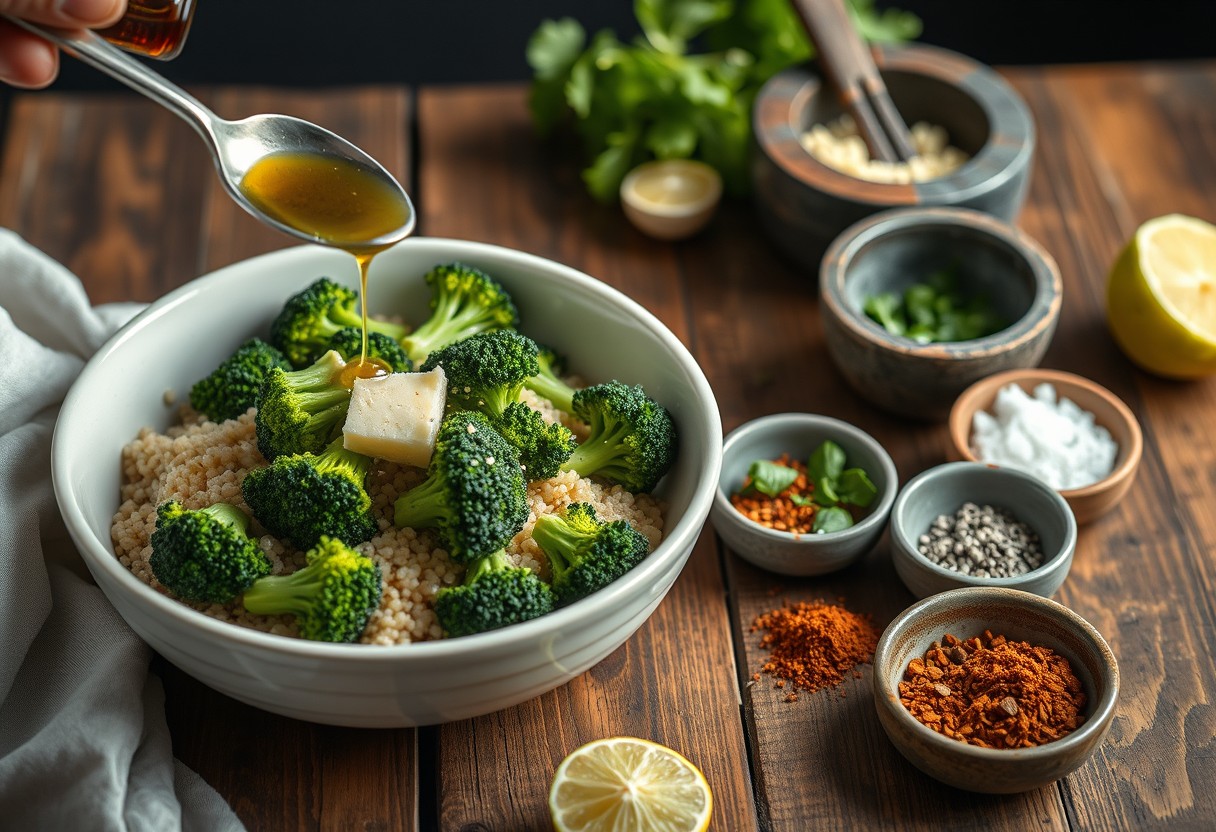
You can transform even the most well-intentioned dishes from dull to crave-worthy by mastering flavor balance. Acid cuts through blandness, herbs add aromatic complexity, and spices build depth that distracts from any “healthy” label. The danger lies in underseasoning-cooking without boldness makes food taste like punishment. You don’t need excess salt or fat; you need precision and confidence.
Key Takeaways:
- A well-placed splash of acid-like lemon juice or vinegar-can transform a dull dish into something vivid and appetizing, cutting through heaviness and amplifying flavor without adding richness.
- Fresh herbs used generously and at the right stage, such as cilantro stirred in at the end or rosemary added early in cooking, contribute aromatic complexity that makes food taste more intentional and less like “health food.”
- Dried spices gain depth when toasted or bloomed in oil, allowing their essential oils to release fully and build a robust foundation that prevents meals from tasting flat or overly clean.
Identifying the Factors of Blandness in Healthy Cooking
Healthy meals often fall flat not because of poor technique, but due to inherent flavor gaps in nutrient-dense ingredients. You’re likely working with foods low in natural fat, sugar, or umami-compounds that directly stimulate taste receptors and create satisfying mouthfeel. Lean proteins like chicken breast or legumes absorb seasonings poorly, while whole grains such as quinoa or brown rice lack the aromatic richness of refined counterparts. Without intentional enhancement, these staples can taste underseasoned or one-dimensional, even when nutritionally sound.
- Low-fat content reduces flavor-carrying capacity in many healthy ingredients
- Fiber-rich grains and plant-based proteins often have muted, earthy notes
- Natural sugars are limited in vegetables and unsweetened preparations
- Umami-deficient cooking leads to meals that feel incomplete or unsatisfying
- Over-reliance on steaming or boiling leaches volatile aromatics from food
Assessing the flavor gaps in lean proteins and grains
Lean proteins such as skinless poultry, tofu, and white fish possess minimal intramuscular fat, leaving them prone to tasting dry and neutral even when properly cooked. Whole grains like barley or farro offer texture but often deliver a subdued, starchy base that doesn’t carry bold flavors on their own. You’ll notice these ingredients absorb spices unevenly and release little natural aroma during cooking, making it harder to build depth. Recognizing this baseline limitation allows you to plan for targeted seasoning early, not as an afterthought.
Understanding the psychological connection between fat and taste
Fat isn’t just a flavor carrier-it signals satisfaction to your brain through textural richness and lingering finish. When you reduce fat in cooking, you’re not only removing calories but also dulling the sensory feedback that makes food feel indulgent. Your palate associates creaminess, mouth-coating texture, and slow flavor release with reward, so low-fat dishes can register as unsatisfying despite being well-seasoned. This isn’t a flaw in your taste buds; it’s a hardwired response that explains why nutritious meals sometimes leave you craving more.
How to Master Acidic Brightening
Acid transforms flat, heavy dishes by cutting through richness and sharpening flavor perception. A squeeze of lemon over roasted carrots pulls their natural sweetness into focus, while a splash of rice vinegar in a lentil stew keeps the dish from tasting dull. You don’t need much-often just a teaspoon or two-but the effect is immediate and dramatic. Think of acid as a reset button for your palate, making each bite feel lighter and more defined. The key is precision: add too early and heat dulls its sparkle, too late and the balance shifts.
Choosing the right acid for specific vegetable profiles
Certain acids pair better with particular vegetables due to their inherent sweetness, bitterness, or earthiness. Bright lemon juice enhances the delicate flavor of steamed asparagus without overwhelming it, while aged balsamic vinegar complements the deep caramel notes of roasted Brussels sprouts. For bitter greens like escarole, a mild sherry vinegar softens harsh edges without clashing. You’ll find that matching acid intensity to vegetable density makes all the difference-lighter vinegars for tender greens, stronger citrus or robust vinegars for heartier, cooked vegetables. This alignment brings out the best in both components.
Timing the addition of acids to preserve vibrancy
Adding acid at the end of cooking preserves its fresh, lively character, which can be lost under prolonged heat. If you stir lime juice into a simmering black bean purée, its zesty lift will fade, leaving a muted tang. Wait until the pot comes off the stove, then swirl it in, and the flavor pops. Even in dressings for warm vegetable salads, applying acid post-cooking maintains its sharp clarity. This small delay ensures the brightness cuts through rather than dissolves, giving your dish a finish that feels intentional and vivid.
Tips for Maximizing Fresh Herb Impact
To get the most from fresh herbs, start by selecting vibrant, crisp leaves with a strong aroma-this signals peak essential oil content. Wash them gently and dry thoroughly to prevent dilution of flavor when chopped. Always chop just before use to preserve volatile compounds that fade quickly. Use a sharp knife to avoid bruising, which can turn delicate herbs bitter. Pair robust herbs like rosemary with heartier dishes, while tender varieties like cilantro shine in lighter preparations. The right handling makes the difference between a faint whisper of flavor and a bold, aromatic presence.
- Choose herbs with intense fragrance and no wilting or dark spots
- Dry leaves completely after washing to protect aromatic integrity
- Chop immediately before adding to preserve freshness and potency
- Match herb strength to dish weight-bold herbs for rich foods, delicate herbs for subtle ones
Differentiating between finishing herbs and cooking herbs
You’ll notice a dramatic shift in flavor when you reserve certain herbs for the end of cooking. Finishing herbs like dill, basil, and parsley lose their brightness when exposed to heat, so add them just before serving to preserve their fresh, volatile oils. Cooking herbs such as thyme, sage, and oregano benefit from simmering, which helps release their deeper, more stable flavors. Misplacing these roles flattens your dish-tossing basil into a stew dulls its charm, while waiting to add rosemary means missing its full depth. Timing defines impact.
Proper storage factors for essential oil retention
Storing herbs correctly determines how long their fragrant compounds remain active. Tender herbs like cilantro and parsley last longer when trimmed and stood upright in a glass with an inch of water, loosely covered with a plastic bag in the fridge. Hardier stems like rosemary or thyme can be wrapped in a slightly damp towel. Avoid sealing wet herbs in airtight containers-moisture accelerates spoilage and degrades essential oils. Keep them cold but not crushed, dry but not desiccated, and use within a few days for peak aroma.
- Store soft herbs upright in water-filled containers to extend freshness
- Keep hardy herbs in damp cloths, not sealed plastic
- Avoid pre-chopping-cell damage speeds up oil loss
- Maintain consistent refrigeration without freezing delicate tissues
How to Layer Dried Spices for Depth
Building rich, layered flavors starts with understanding how heat transforms dried spices. Toasting whole or ground spices in a dry pan wakes up dormant aromatic compounds, releasing a depth that can’t be achieved by adding them straight to food. You’ll notice cumin seeds crackling and darkening slightly, their earthy scent turning nutty and intense. This transformation is irreversible and happens quickly, so constant movement is essential to prevent burning. Once cooled, these toasted spices can be blended into custom mixes that add complexity without relying on salt or fat.
Techniques for blooming spices in minimal oil or dry heat
Heating spices in just a teaspoon of oil or directly in a dry skillet unlocks their full aromatic potential. You’ll see the spices sizzle and release fragrant steam within seconds-this brief exposure to heat is enough to amplify flavor tenfold. For oil blooming, swirl the pan constantly to distribute heat evenly and avoid scorching. With dry heat, use a thin layer and stir frequently until the aroma becomes bold and toasty. Overheating destroys delicate notes, so remove them from the pan the moment they peak.
Creating custom low-sodium spice rubs for roasted foods
You can build deeply satisfying rubs using equal parts smoked paprika, ground coriander, and toasted cumin, with a pinch of cinnamon for warmth. These blends adhere well to vegetables, tofu, or lean meats before roasting, forming a flavorful crust that stands on its own. The key is balance-no single spice should dominate. Store your mix in an airtight jar away from light to preserve potency for up to three months. A teaspoon is all it takes to transform a simple dish into something that feels indulgent, not restrictive.
Factors for Creating Savory Umami Profiles
Sharp, pungent spices can effectively mimic the mouthfeel and depth typically delivered by animal fats, giving plant-based or lean dishes a satisfying richness without relying on heavy ingredients. When used intentionally, these spices trigger sensory responses similar to those activated by fatty, brothy foods. You achieve this by layering compounds that stimulate the umami receptors on your tongue, creating a perception of fullness and savoriness. Key players include compounds found in smoked and fermented sources, which provide a backbone of flavor often missing in lighter preparations. Correct spice selection transforms simple ingredients into deeply satisfying meals.
- smoked paprika
- cumin
- dried mushrooms
- nutritional yeast
- fermented spices
Using smoked paprika and cumin to create “meaty” notes
Smoked paprika delivers a charred, campfire-like aroma that instantly evokes grilled proteins, while cumin adds a warm, earthy bitterness reminiscent of seared meat crusts. When bloomed in oil, their essential oils release compounds that coat the palate with a lingering, savory presence. You’ll notice how just half a teaspoon of each can transform a bean stew or roasted vegetable dish into something that feels indulgent and hearty. The synergy between these two spices tricks the brain into perceiving fat and protein density, even in low-fat preparations.
Incorporating dried fungi and nutritional yeast for depth
Dried mushrooms, especially porcini or shiitake, contain high levels of glutamates that dissolve into food during cooking, building a natural umami foundation. When rehydrated or simmered in broths, they release deep, woodsy tones that mirror long-simmered bone stocks. Nutritional yeast adds a cheesy, brothy tang that rounds out the flavor profile with a pleasant funk. Together, they form a powerful alliance for replicating the complexity of meat-based sauces and gravies, making them indispensable in savory plant-forward cooking.
Tips for Balancing Pungency and Heat
Chili flakes, fresh chiles, and cracked peppercorns can effectively shift attention away from reduced salt levels by stimulating the palate with controlled heat. The sharp bite of crushed red pepper or a final grind of Sichuan peppercorns triggers sensory distraction, making food feel richer and more intense without added sodium. Use these spices in measured bursts to maintain balance-overuse dulls the tongue and masks other flavors. Toasted chili oil or freshly cracked black pepper applied at the end preserves their aromatic punch and delivers an immediate impression of boldness.
- Use crushed chilies to add immediate heat and visual appeal
- Apply freshly cracked peppercorns at the finish for sharper impact
- Balance capsaicin levels with fat or acid to avoid overwhelming the dish
- Choose smoked chili varieties to introduce depth alongside heat
Managing the heat-to-acid ratio for a rounded palate
A well-calibrated blend of chili heat and acidity keeps your dish lively without leaning too sharply in either direction. If the vinegar or citrus overwhelms the spice, the heat fades prematurely; too much chili without enough acid makes the mouthfeel flat and harsh. Start with a modest amount of dried chili, then adjust with a few drops of lime or vinegar to lift the burn into something brighter. This interplay ensures the flavor doesn’t deaden on the tongue but instead evolves with each bite, maintaining complexity even in low-salt preparations.
How to use ginger and garlic for aromatic bite
Freshly grated ginger and minced garlic introduce a pungent, warming backbone that compensates for less salt without relying solely on heat. When sautéed just until fragrant, they release volatile oils that heighten aroma and perception of savoriness. The zing of raw ginger added at the end cuts through richness and mimics salt’s brightening effect, while blackened garlic cloves in a roasted dish lend a bitter-sweet intensity that draws focus. These aromatics don’t just add flavor-they reshape how the entire dish is perceived, making restraint in sodium feel intentional, not limiting.
Conclusion
You transform simple ingredients into deeply satisfying dishes by using acid, herbs, and spices with intention. Sharp vinegars cut through flatness, fresh herbs add aromatic complexity, and properly toasted or bloomed dried spices deliver warmth and depth. You create layers of flavor that distract from any perception of dietary restriction when you balance pungency, umami, and brightness. A squeeze of lemon on roasted vegetables, a pinch of smoked paprika in lentil soup, or a handful of torn basil over grain bowls changes how the brain perceives taste. You don’t need rich creams or excess salt to make food pleasurable-just precise seasoning.
FAQ
Q: Can adding acid really change how “healthy” food tastes?
A: Yes, acid cuts through flatness and wakes up flavor. A squeeze of lemon on roasted vegetables or a splash of vinegar in a bean stew transforms the dish from dull to vibrant. Acid mimics the richness found in less healthy foods by stimulating the palate, making meals more satisfying without added fat or sugar. A mid-sized SaaS firm wouldn’t fix a broken product with more features-similarly, don’t mask bland food with heavy sauces. Fix the foundation with acid first.
Q: Which herbs make healthy dishes taste richer or more indulgent?
A: Fresh herbs like basil, cilantro, dill, and mint add complexity that distracts from perceived austerity. Basil lends a sweet, almost creamy note to salads and grain bowls. Cilantro brightens legume-based dishes, while dill gives yogurt-heavy or fish-based meals a restaurant-quality finish. Use them generously at the end of cooking. A sprinkle of torn mint over quinoa and roasted squash can make the dish feel luxurious, not limited.
Q: How do dried spices prevent food from tasting “dietetic”?
A: Dried spices build depth that mimics long cooking times or rich ingredients. Toasted cumin in lentil soup, smoked paprika in roasted sweet potatoes, or cinnamon in savory chickpea stews create layers that read as indulgent. The key is layering: add some when sautéing aromatics, more during cooking, and a final pinch at the end. A home cook using only salt and pepper misses the sensory cues that signal flavor intensity.
Q: Isn’t umami just for meat and cheese lovers?
A: Umami enhances satisfaction in plant-based and lean dishes. Tomato paste, soy sauce, miso, and dried mushrooms add savory weight without heaviness. A spoonful of miso in a vegetable broth makes it taste like it simmered for hours. A dash of soy sauce in a mushroom risotto elevates it beyond simple rice and fungi. These ingredients signal richness to the brain, reducing the desire for butter or cream.
Q: Can heat and pungency make nutritious food more enjoyable?
A: Sharp heat from chili flakes, fresh ginger, or raw garlic shifts attention away from what’s missing-like oil or salt. A pinch of red pepper in black beans adds excitement. Grated ginger in a stir-fried cabbage dish creates a warming sensation that feels indulgent. Pungency triggers endorphins, making food more pleasurable. A roasted cauliflower steak with harissa and lemon tastes bolder than its ingredients suggest.