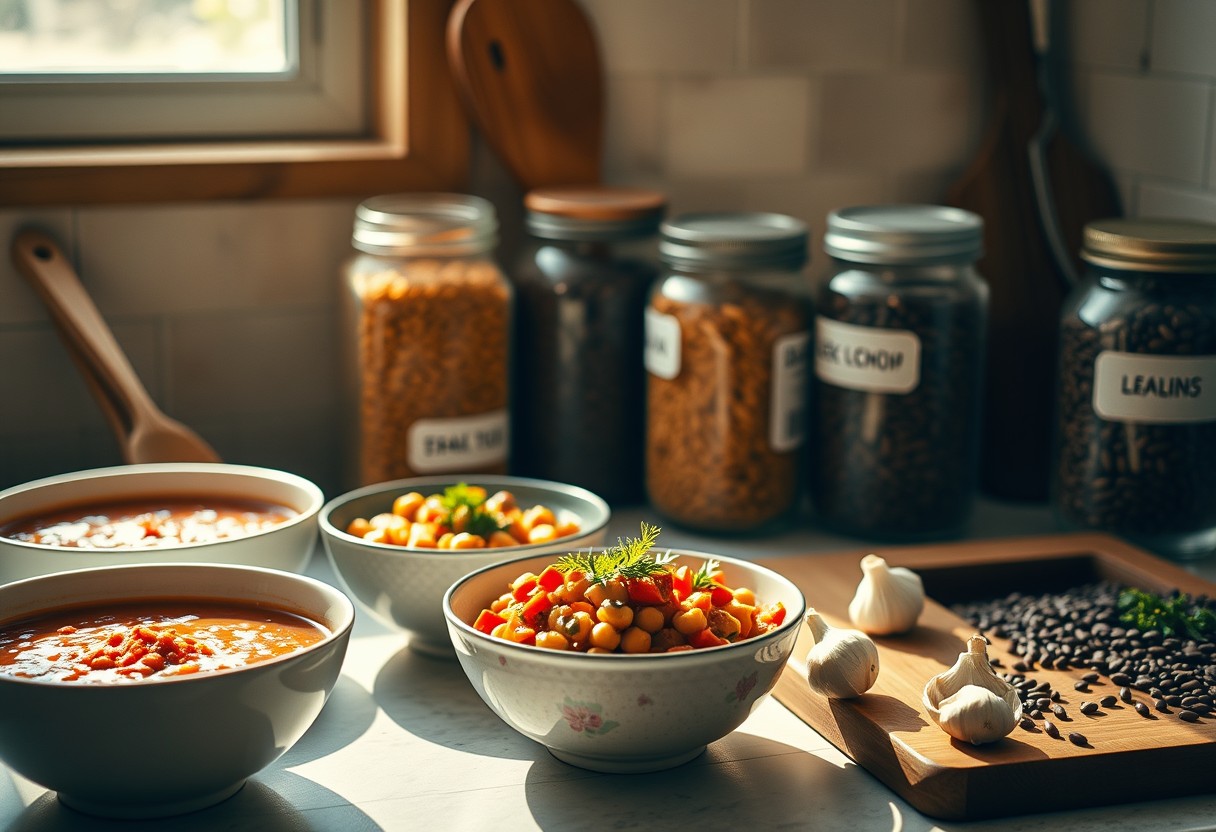
You can turn simple ingredients into deeply satisfying meals by incorporating beans and lentils the right way. These pantry staples deliver high fiber and plant-based protein, helping you stay full longer. When prepared properly, they enhance texture and absorb bold flavors, making every bite more engaging. Avoid common mistakes like underseasoning or overcooking by following proven techniques.
Key Takeaways:
- Beans and lentils add plant-based protein and fiber to meals, helping you feel fuller longer without relying on meat.
- Using canned beans saves time, while cooking dried lentils from scratch offers better texture control and cost efficiency.
- Seasoning beans and lentils with garlic, onions, cumin, or smoked paprika enhances depth, turning simple dishes into flavorful, satisfying meals.
Selecting the Best Varieties for Your Dish
Matching the right legume to your recipe ensures both flavor and texture align with your meal’s goal. Small, quick-cooking lentils like red or yellow disintegrate into creamy consistency, ideal for soups and dal. Green or brown lentils hold their shape better, making them suited for salads and side dishes. For heartier applications, large dry beans such as kidney or cannellini deliver substantial bite and absorb surrounding flavors well. Choosing the appropriate variety directly impacts the satisfaction and success of your final dish.
Tips for choosing lentils for quick-cooking convenience
When time is limited, opt for lentils that require no soaking and cook rapidly. Red lentils break down quickly, creating a smooth base for curries or dips. Yellow lentils offer a mild, slightly sweet flavor perfect for weeknight soups. French green lentils hold their shape while cooking in under 30 minutes, ideal for salads. Always check packaging for split or pre-cleaned varieties to reduce prep time. These choices help you maintain nutritional quality without sacrificing convenience.
- Choose red lentils for creamy textures and fast cooking
- Select yellow lentils for mild flavor in soups and porridges
- Use split lentils to cut cooking time significantly
- Look for pre-rinsed or pre-sorted packages to save preparation minutes
Identifying hearty bean varieties for savory stews
For rich, slow-simmered stews, select beans that retain firmness and add substantial mouthfeel. Black beans bring earthiness and hold their shape well in spicy preparations. Cannellini beans offer a buttery texture and pair beautifully with tomatoes and herbs. Great Northern beans absorb flavors deeply while maintaining a dense, chewy quality. These varieties contribute long-lasting satiety and robust body to braises and casseroles. Their ability to withstand extended cooking makes them ideal for deeply flavored, one-pot meals.
Mastering Essential Preparation Techniques
Properly softening legumes ensures they’re not only tender but also easier to digest. Skipping key prep steps can lead to uneven texture and gastrointestinal discomfort, so investing time in correct soaking and cooking methods pays off. You’ll notice a marked difference in both palatability and how your body responds to the meal. Always treat dried beans with care-rushing the process risks undercooking or splitting skins, while patience yields consistent, satisfying results.
How-to guide for soaking dried beans for optimal texture
Start by sorting through dried beans to remove any stones or debris, then rinse them under cool water. Place one cup of beans in a large bowl with three to four cups of water-enough to allow for expansion. Soak for at least 8 hours or overnight; this reduces cooking time and improves texture. For faster prep, use the quick-soak method: boil beans for two minutes, remove from heat, cover, and let sit for an hour. Drain and rinse before cooking-this step removes compounds that cause gas.
Factors for timing the cook to avoid mushy lentils
- Know your lentil type: green and brown hold shape better than red or yellow, which break down quickly
- Simmer gently, never boil hard, to preserve structural integrity
- Taste frequently beginning at the 15-minute mark for red lentils or 25 minutes for brown
- Add salt near the end of cooking to prevent toughening and over-softening
- Cook just until tender-overcooking leads to paste-like consistency, especially in warm dishes
Enhancing Flavor with Aromatics and Spices
Building a rich flavor base starts with layering aromatics at the beginning of the simmer. Sauté onions, carrots, and celery in olive oil until softened, then add minced garlic to release its fragrance without burning. A few whole bay leaves added to the cooking liquid infuse a subtle depth that transforms simple beans into something complex and satisfying. These foundational ingredients don’t just add taste-they create a savory backbone that carries through every bite, making even modest portions feel deeply fulfilling.
Using bay leaves and garlic to improve the cooking liquid
Drop one or two bay leaves into the pot as your beans or lentils begin to simmer; their earthy, slightly floral notes meld beautifully with the legumes over time. Remove them before serving, as they’re not meant to be eaten. For garlic, use whole cloves lightly crushed to infuse mild richness, or add minced garlic in the last 10 minutes for a sharper punch. This balance ensures garlic enhances without overpowering, and the aromatic synergy between bay leaf and garlic turns plain cooking water into a flavorful broth worth savoring.
Incorporating bold spices for international culinary appeal
Warm spices like cumin, coriander, and smoked paprika can transport your dish across continents with just a teaspoon. Toasting ground spices briefly in oil before adding liquid unlocks their full aroma and deepens the overall flavor profile. For a Middle Eastern twist, stir in cumin and cinnamon; for Indian-inspired meals, reach for turmeric, garam masala, and mustard seeds. These spices don’t just add heat or color-they build complexity, turning humble legumes into globally inspired dishes that feel hearty and memorable.
Factors for Increasing Satiety and Volume
Plant-based proteins like beans and lentils deliver sustained fullness due to their high fiber and protein content. You feel more satisfied after meals when you include these ingredients because they slow digestion and stabilize blood sugar levels. Their natural ability to absorb surrounding flavors allows them to enhance meal richness without relying on meat. Adding a generous portion of cooked beans or lentils to soups, stews, or grain bowls increases volume while keeping calorie density low. This makes it easier to eat larger portions without overconsuming calories.
- High fiber content supports digestive health and prolonged satiety
- Slow-digesting protein helps control hunger between meals
- Low glycemic impact prevents energy crashes and cravings
- Bulk-rich nature adds physical volume to dishes
How to use beans as a cost-effective meat extender
Stretch your grocery budget by blending cooked beans into ground meat dishes like tacos, chili, or meatloaf. You can replace up to half the meat with mashed pinto, black, or kidney beans without sacrificing satisfaction. The plant-based protein absorbs savory seasonings while adding fiber and texture. This strategy reduces overall food costs and lowers saturated fat intake. Over time, your household consumes fewer animal products without noticing a gap in meal fulfillment, making this a sustainable shift for both health and wallet.
Tips for adding lentils to greens for a filling salad
Boost the staying power of leafy salads by tossing in cooked lentils, which add heartiness and balance. Use green or brown lentils since they hold their shape well after cooking. A cup of lentils mixed into spinach or kale triples the protein content and adds essential iron and folate. Combine them with roasted vegetables, nuts, and a tangy vinaigrette for a complete meal that keeps you full for hours. Their earthy flavor complements bold dressings and makes the salad more nutritionally dense.
- Cooked lentils blend seamlessly into raw or massaged greens
- High protein content transforms light salads into main courses
- Fiber-rich addition supports long-lasting satiety
- Iron-fortified benefit is especially valuable in plant-forward diets
Balancing Texture for a More Satisfying Mouthfeel
Contrast transforms simple bean and lentil dishes from flat to unforgettable. You build satisfaction by pairing soft, stewed legumes with elements that crackle or crunch. A creamy dal tastes more complete when crowned with fried shallots. Your palate notices the difference immediately-the interplay of textures keeps each bite engaging. Even a basic lentil salad gains depth when tossed with toasted seeds or crumbled crackers. The key is intention: never overlook the final textural garnish, as it often makes the meal feel heartier without extra calories.
How to roast chickpeas for a crunchy finish
Rinsing and thoroughly drying canned chickpeas prevents steaming and ensures crispness. You toss them in a light coat of oil and seasonings like smoked paprika or garlic powder before spreading them on a baking sheet. Roast at 400°F (200°C) for 25-35 minutes, shaking the pan halfway through. The chickpeas caramelize slightly and become deeply golden, delivering a nutty crunch. When cooled, they keep well in an airtight container for up to five days. Sprinkle them over soups, salads, or grain bowls to add a satisfying bite that contrasts beautifully with softer ingredients.
Mashing white beans into smooth and savory spreads
Warm cannellini or Great Northern beans mash easily with a fork or potato masher for instant texture control. You blend them with olive oil, lemon juice, minced garlic, and fresh herbs until creamy but not puréed. This rustic spread holds body without gluey heaviness, making it ideal for toast, wraps, or dolloping under roasted vegetables. For richer flavor, stir in a spoonful of tahini or grated Parmesan. The result is a protein-packed base that adds moisture and savoriness while creating a luxurious contrast when paired with crisp vegetables or toasted bread.
Streamlining Meals with Batch Cooking and Storage
Maximize your weekly efficiency by preparing a large batch of beans or lentils at once-this simple habit saves time and ensures you always have a protein-rich base ready. Cook several cups of dried legumes in a pressure cooker or slow cooker, then portion them into usable amounts for freezing. You’ll maintain texture and flavor by cooling them quickly and storing them properly. As noted in a popular discussion on Reddit, TIL The second meal effect, so anyone have any good …, reheated legumes often taste even better the next day, enhancing both satisfaction and digestion.
How to freeze pre-cooked portions for instant use
After cooking, let the beans or lentils cool completely on a baking sheet to prevent clumping. Portion them into 1- to 2-cup containers or resealable bags, flattening for quick thawing. Label each with the date and type-frozen legumes keep well for up to three months. When needed, thaw overnight in the fridge or drop directly into soups or stews. This method preserves moisture and prevents mushiness, ensuring your meals stay hearty and consistent with minimal effort.
Tips for repurposing leftover lentils into different meal types
Transform last night’s lentils into a completely new dish by changing the seasoning and format. Blend a cup with roasted garlic and lemon for a quick dip, or mix with breadcrumbs and egg to form patties for baking. Stir them into scrambled eggs, fold into grain bowls, or add to pasta sauces. Leftover lentils are incredibly adaptable, making them ideal for reinventing meals without monotony-simply adjust spices and pairings to shift the cuisine profile from Indian to Mediterranean in minutes.
- batch cooking saves time during busy weekdays
- freezing portions maintains freshness and usability
- leftover lentils can become dips, patties, or grain additions
- texture retention depends on proper cooling and storage
- flavor absorption allows for versatile repurposing
| Prep Method | Best For |
| Pressure cooking dried beans | Fast, consistent texture in under an hour |
| Freezing in flat portions | Quick thawing without freezer burn |
| Labeling with date and type | Tracking freshness and avoiding waste |
| Repurposing with spices | Creating diverse meals from one batch |
Final Words
You now have the practical tools to transform simple ingredients into deeply satisfying meals. Beans and lentils offer more than just protein and fiber-they bring substance, texture, and richness to everyday dishes when prepared with intention. By choosing the right variety, cooking them properly, and pairing them with complementary flavors and textures, you make each meal more filling and enjoyable. These legumes adapt easily to your routine, whether batch-cooked for convenience or layered into soups, salads, and stews. You don’t need elaborate techniques to see results-consistent, mindful use makes the difference.
FAQ
Q: How can I make beans and lentils more satisfying in everyday meals without adding meat?
A: Beans and lentils naturally provide plant-based protein and fiber, both of which contribute to fullness. To enhance satisfaction, combine them with whole grains like brown rice or farro to create complete proteins. Roasted vegetables, healthy fats such as avocado or olive oil, and bold seasonings like smoked paprika or cumin deepen flavor and texture. A serving of lentil stew with sautéed kale, a drizzle of tahini, and a sprinkle of toasted pumpkin seeds delivers richness and staying power similar to meat-based dishes.
Q: Do I need to soak all types of beans before cooking?
A: Dried beans such as black beans, kidney beans, and pinto beans benefit from soaking, which reduces cooking time and improves digestibility. Soak them in water for 8 to 12 hours, then drain and rinse before boiling. Lentils, split peas, and mung beans do not require soaking and cook faster-typically in 20 to 30 minutes. Canned beans are already cooked and only need rinsing to lower sodium content, making them convenient for quick meals.
Q: What are some easy ways to add beans and lentils to meals I already make?
A: Stir white beans into tomato sauce before serving over pasta for added creaminess and protein. Blend cooked lentils into taco filling alongside ground mushrooms or walnuts for a hearty plant-based alternative. Add black beans to scrambled eggs or breakfast burritos. Toss chickpeas into green salads or roast them with spices for a crunchy snack. Mixing pureed cannellini beans into baked goods like brownies increases moisture and nutrition without altering taste.
Q: Why do beans sometimes cause digestive discomfort, and how can I prevent it?
A: Beans contain oligosaccharides, complex sugars that some people struggle to digest due to a lack of specific enzymes in the gut. Rinsing canned beans thoroughly and changing the soaking water when using dried beans helps remove some of these compounds. Cooking beans until very soft and introducing them gradually into your diet allows your digestive system to adapt. Adding herbs like epazote or kombu seaweed during cooking may also reduce gas production.
Q: Can I use lentils and beans interchangeably in recipes?
A: While both add protein and fiber, their textures and cooking behaviors differ. Brown or green lentils hold their shape well in soups and grain bowls, making them ideal for structured dishes. Red lentils break down quickly and work better in creamy curries or as thickeners in sauces. Black beans maintain a firm texture suited for salads, while softer navy beans blend smoothly into dips. Choose the legume based on the desired mouthfeel and cooking time of your recipe.