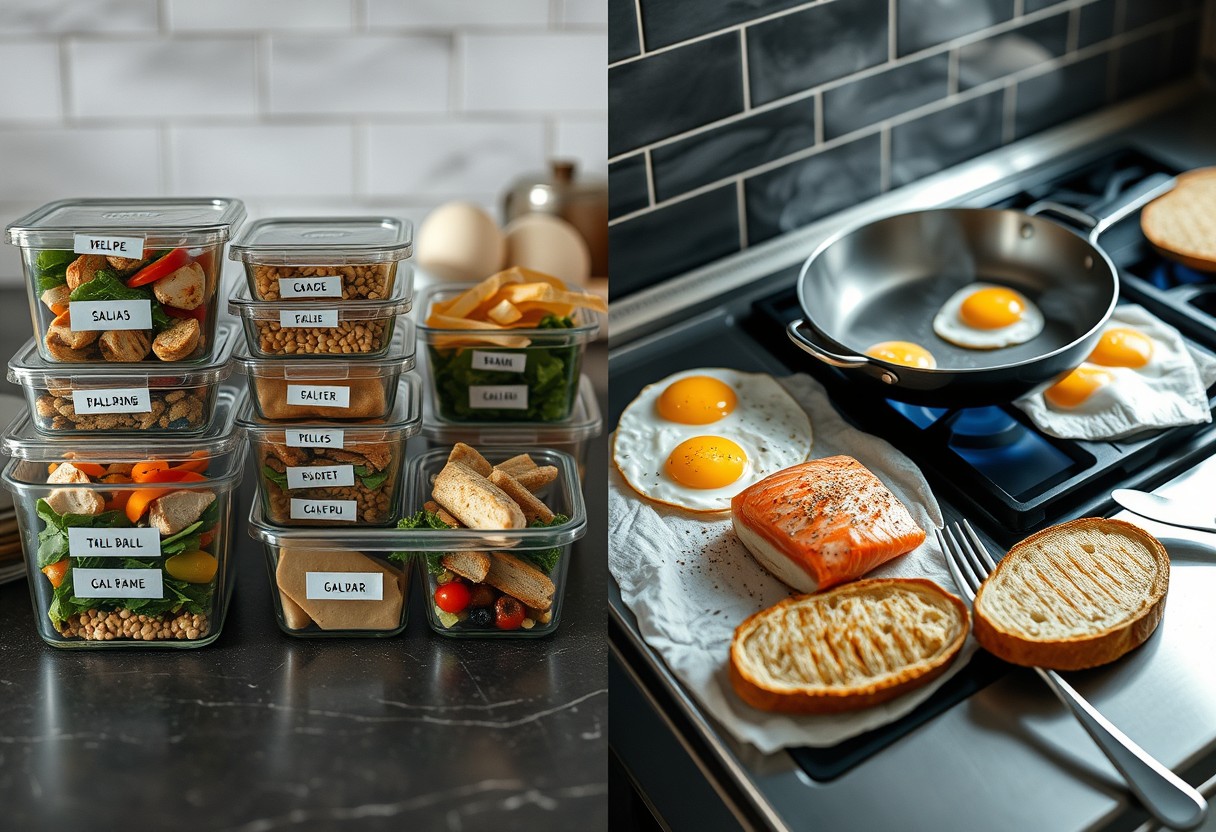
You can save time and reduce daily cooking stress by preparing certain foods in advance, but not every dish handles reheating well. Some ingredients retain flavor and texture when stored, while others deteriorate quickly. Moisture loss or structural breakdown can ruin a reheated meal, making it essential to know which foods benefit from advance prep and which demand freshness.
Key Takeaways:
- Cooked grains like rice, quinoa, and barley hold up well when made in advance, maintaining texture and flavor for several days when stored properly, making them reliable bases for meals throughout the week.
- Foods with high water content or delicate structure-such as lettuce, zucchini, and soft herbs-lose their appeal when prepped too early, turning soggy or brown; these are better cut or assembled just before serving.
- Sauces based on oil, vinegar, or citrus-like chimichurri or vinaigrettes-develop deeper flavor over time, improving after a day of resting, while creamy dairy-based sauces can separate or dull when reheated.
The Low and Slow Redemption
Time transforms tough cuts into triumphs when you embrace low and slow cooking. Braised short ribs, pork shoulder, and oxtail gain deeper, more complex flavors as collagen melts and spices mellow over hours-or even days. You’ll notice the richest taste emerges after refrigeration, when ingredients have fully absorbed the sauce. Reheating gently restores texture without sacrifice, making these dishes better the next day. This patience-driven method turns humble meat into something remarkably tender and layered.
The Cold Midnight Metamorphosis
Overnight in the fridge, your braise undergoes a quiet transformation. As temperatures drop, fat solidifies on the surface, allowing easy removal for a cleaner, more refined mouthfeel. Meanwhile, residual heat continues to break down connective tissue while herbs and spices deepen their presence. You’ll find that flavor integration peaks after 12 to 24 hours, turning good stews into extraordinary ones. This cold rest isn’t downtime-it’s active improvement working silently in the dark.
Meats That Suffer for Their Art
Some cuts demand long hours but repay every minute with unmatched richness. Chuck roast, lamb shanks, and beef brisket enter the pot tough and unyielding, yet surrender completely after hours of gentle simmering. You’re not just tenderizing-you’re coaxing out layers of savory depth that only time can unlock. The reward? Meat that pulls apart with a fork and sauce so full-bodied it clings with purpose. These are the dishes worth planning ahead for, where delay equals discovery.
The High-Heat Sizzle and the Curse of Reheating
High-heat cooking creates textures you can’t replicate a second time. Once proteins and delicate vegetables hit that searing pan or grill, their window for peak enjoyment slams shut fast. You’ve felt it-the rubbery shrimp, the limp asparagus-exactly what happens when moisture escapes during reheating. These foods rely on immediate consumption to preserve their integrity. Even the best oven trick won’t restore that initial crispness or juiciness. Timing isn’t just important here-it’s everything.
The Marine Life Murder
Seafood cooked at high heat turns against you if stored and reheated. Shrimp, scallops, and flaky fish like halibut lose their tender bite within minutes of cooling. When you reheat them, their proteins tighten aggressively, turning chewy or dry beyond redemption. That delicate caramelization from your cast iron vanishes into a soggy afterthought. You’re better off cooking these portions fresh each time. The difference between sublime and sad hinges on serving them the moment they come off the flame.
The Death of the Sizzle
Steak, pork chops, and chicken breasts suffer quietly in the fridge. Their beautiful crust-earned through screaming-hot pans-crumbles under microwave warmth or convection air. You’ll notice how quickly the juices dull, leaving fibers tough and flavor flat. No reheating method restores the Maillard reaction once it’s been compromised. What was once juicy and aromatic becomes a shadow of its former self. For these cuts, last-minute cooking isn’t inconvenient-it’s essential to honor the effort you already put in.
Grains and Pulses: The Reliable Backbone
You can count on well-cooked batches of rice and beans to anchor your weekly meals with consistency and nutrition. When stored properly in airtight containers, cooked brown rice remains tender for up to five days, while hearty farro or black lentils deliver satisfying texture across multiple reheats. These staples thrive in meal prep because they absorb flavors over time without breaking down. Freezing portions in flat layers ensures quick thawing and prevents clumping, making them reliable building blocks for bowls, salads, and stir-fries all week long.
Ancient Grains That Hold Their Bite
Farro, freekeh, and spelt maintain a resilient chew even after refrigeration, setting them apart from softer grains that turn mushy. You’ll notice their nutty depth intensifies when dressed lightly the day after cooking, making them ideal for grain salads served cold. Undercooking them slightly by two minutes preserves firmness during reheating, ensuring each bite stays distinct. These ancient varieties also freeze exceptionally well, so batch-cooking delivers both convenience and consistent quality across uses.
Pulses That Absorb the Soul
Canned beans offer speed, but simmering dried chickpeas, black beans, or lentils from scratch gives you control over seasoning and texture. When cooked with aromatics like garlic, bay leaves, and onion, they soak up layered flavors that canned versions rarely match. Properly cooled pulses keep for up to six days and deepen in taste overnight, becoming more aromatic as they rest. Freezing them in cooking liquid protects integrity and makes future dishes richer with minimal effort.
The Structural Integrity of Flour and Water
The Sadness of Soggy Linguine
You can’t ignore the way fresh pasta collapses when cooked too far in advance. The delicate balance between flour and water unravels as strands absorb excess moisture, turning tender bites into a gummy tangle. Drying out in storage or reabsorbing sauce too soon guarantees a loss of texture no reheating can fix. For best results, cook your linguine within minutes of serving-that narrow window preserves its silkiness and ensures each bite holds its form against even the lightest sauce.
The Window of the Oven
Fresh doughs, from focaccia to pie crusts, depend on precise timing and heat exposure to develop structure. Once baked, they begin to degrade-moisture migrates, crispness fades, and flakiness disappears. Even storing them properly can’t stop the slow breakdown of starch networks that give them lift and crunch. You’ll find the true quality of any dough-based item lies in its first 90 minutes post-oven; beyond that, you’re settling for compromise rather than perfection.
The Wilting Point of the Raw and Green
Chopping vegetables ahead of time seems efficient, but with delicate greens and raw garnishes, premature prep leads to limp disappointment. Once sliced, cucumbers, radishes, and leafy herbs begin losing moisture and structure within hours, turning soggy instead of crisp. Even refrigeration can’t fully halt this decline. Marla from Family Fresh Cooking, known for her vibrant plant-based dishes, demonstrates how last-minute assembly preserves texture and flavor brightness-something you’ll notice immediately in every bite. Timing isn’t just practical here; it’s essential for quality.
The Crunch Factor
You expect a satisfying snap from julienned carrots or shredded cabbage in your bowl, but that crispness fades fast when exposed to air. Enzymatic reactions and moisture loss start the moment you cut them, dulling both texture and taste. Pre-chopped veggies may look ready to go, but they rarely deliver on freshness after sitting overnight. For salads where crunch defines the experience, cutting just before serving ensures maximum appeal and palate engagement.
The Last-Second Act of Grace
Adding raw garnishes like scallions, cilantro, or microgreens at the table transforms a dish from static to alive. These elements don’t just offer flavor-they bring visual lift and aromatic intensity that evaporates if added too soon. Your final touch is what makes a meal feel intentional and fresh, not reheated or pre-packed. Letting guests see that flourish elevates the entire dining moment without extra effort.
The Alchemist’s Pantry of Cold Sauces
Cold sauces are not all created equal when it comes to make-ahead convenience. Vinaigrettes and marinades actually improve with time, as extended resting allows acids to mellow and flavors to fully integrate. You’ll find that a simple red wine vinaigrette reaches its peak after 24 hours in the fridge, delivering a balanced depth that fresh mixing can’t match. The chemistry here works in your favor-time is not the enemy, but a collaborator.
Infusions That Benefit from Patience
Marinades built around olive oil, garlic, and herbs like rosemary or thyme deepen in complexity when left to sit for a day. You’ll notice the sharp bite of raw garlic softens, while the oil absorbs subtle floral and piney notes. This slow melding transforms simple ingredients into something layered and aromatic, especially effective when coating proteins or sturdy vegetables. Acidic components, such as lemon juice or vinegar, stabilize the mixture and prevent spoilage, making these infusions both safe and more flavorful over time.
The Stability of the Blend
Emulsified sauces such as mayonnaise or aioli are far less forgiving. You’ll face separation and textural collapse if you rely on them after storage, even under ideal conditions. The fragile bond between oil and acid breaks down quickly, leaving behind a greasy, broken mess that no amount of stirring can fix. These sauces demand fresh preparation-any attempt to save time by making them ahead will compromise both appearance and taste, undermining the dish they’re meant to enhance.
Conclusion
You save time without sacrificing quality when you choose the right dishes for meal prep. Foods like braised meats, soups, and cooked grains often improve after a day or two in the fridge, their flavors deepening and melding. Others, especially delicate vegetables, seafood, and crispy-skinned proteins, lose texture and appeal when reheated. Freshly tossed salads, garlic sautés, and seared scallops deliver the best results when made just before eating. You maintain control over flavor and consistency by knowing which foods to prepare ahead and which to cook fresh. This balance keeps your meals both efficient and delicious.
FAQ
Q: Which cooked vegetables hold up best when prepared in advance?
A: Root vegetables like carrots, potatoes, and beets maintain their texture and flavor when cooked ahead and stored properly. Roasting them in batches and refrigerating for up to four days works well for quick meals. Cruciferous vegetables such as broccoli and cauliflower also reheat reasonably well, especially when not overcooked initially. The key is to under-roast slightly, as they continue to soften during reheating. Leafy greens like spinach or arugula do not fare well when reheated and are better prepared fresh to preserve their structure and brightness.
Q: Can I cook chicken or fish in advance without sacrificing quality?
A: Chicken breast, when poached or roasted gently, reheats acceptably in soups, grain bowls, or salads. It tends to dry out if overcooked during reheating, so slicing it before warming and adding a splash of broth helps retain moisture. Fish, especially delicate types like cod or salmon, rarely reheats well. The proteins break down quickly, leading to a mushy texture. Grilling or baking fish just before serving ensures the best mouthfeel and flavor. Heartier fish like tuna steaks can be seared ahead and served cold or gently warmed without significant degradation.
Q: How far in advance can I cook grains like rice or quinoa?
A: Cooked rice, quinoa, farro, and barley can be stored in airtight containers in the refrigerator for up to five days. They reheat well with a small amount of water or broth to restore moisture. Freezing portions in zip-top bags extends their shelf life to two months. Reheating in the microwave or on the stovetop revives their texture effectively. Avoid seasoning grains too early if storing for more than a day, as acids or salt can alter their consistency over time. Season just before serving for optimal taste and texture.
Q: Are there any sauces or dressings that improve when made ahead?
A: Cold sauces such as chimichurri, pesto, tahini dressing, and yogurt-based dips often taste better after sitting for a few hours or overnight. This resting period allows the herbs, garlic, and spices to infuse fully into the oil or base. Pesto can darken over time due to oxidation, but a thin layer of olive oil on the surface helps prevent browning. Vinaigrettes stabilize and mellow when aged briefly, making them ideal for meal prep. Creamy dressings with raw garlic or onion intensify in flavor, so adjust quantities if making more than a day in advance.
Q: What foods should never be pre-cooked if I want the best results?
A: Fried foods lose their crispness quickly and turn soggy when stored and reheated. Delicate pasta dishes, especially those with thin strands like angel hair, become gummy when reheated. Eggs, particularly soft-boiled or poached, do not store or reheat well and are best made to order. Sauces based on butter or cream can break or separate when cooled and reheated. Foods relying on texture contrast-like seared scallops, crispy-skinned chicken, or fresh salads with tender greens-should be prepared fresh to preserve their intended sensory experience.