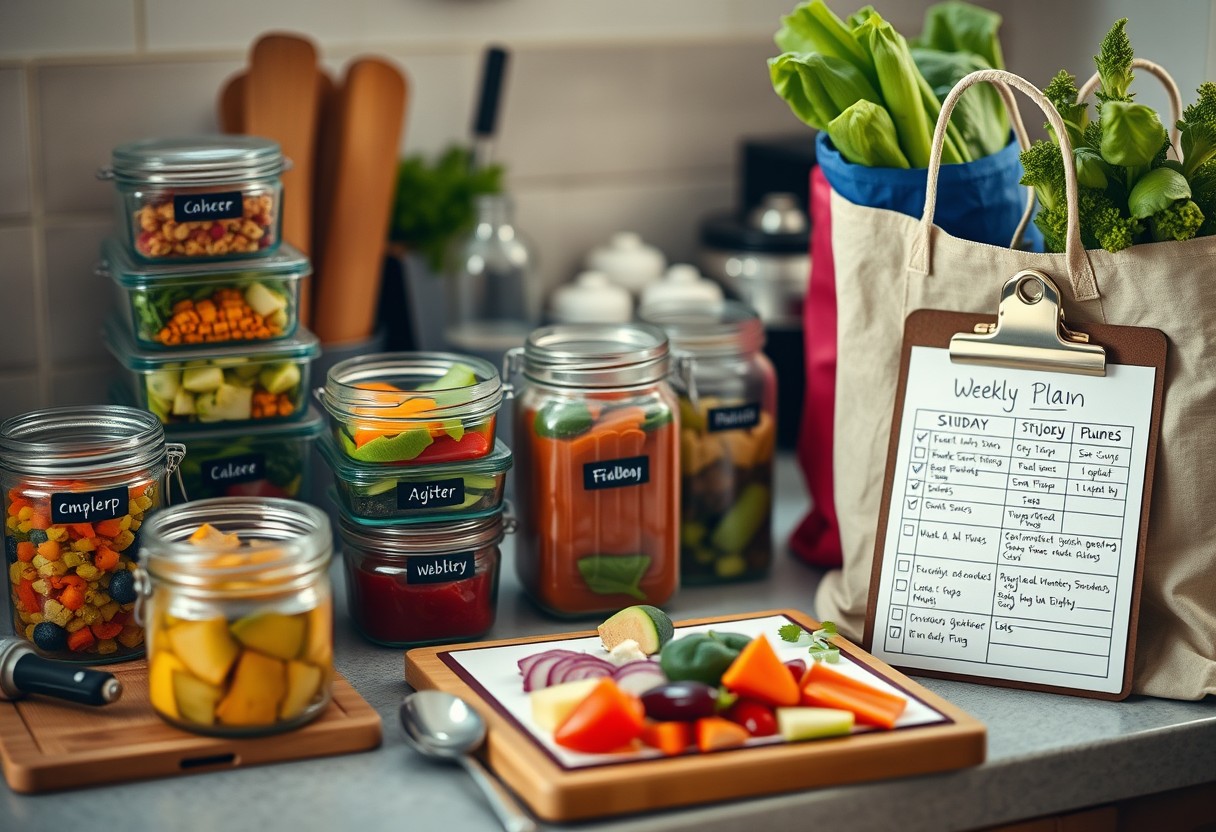
You’ve committed to meal prepping to save time and eat healthier, but now the sight of containers makes you dread another bland meal. Burnout sneaks in when variety fades and routines become monotonous, turning a helpful habit into a chore. This guide shows you how to reset your strategy, reintroduce excitement to your meals, and sustain prep habits without sacrificing flavor or energy.
Key Takeaways:
- Rotate a small set of flexible recipes weekly instead of planning elaborate menus-this reduces decision fatigue and keeps meals feeling fresh without extra effort.
- Use the component prep method by cooking building blocks like grains, proteins, and roasted vegetables separately, allowing mix-and-match combinations that mimic restaurant variety.
- Designate one meal per week as a “free pass” night with no prep required, giving mental space to recharge and avoid feeling trapped by the routine.
Identifying the Factors Behind Meal Prep Fatigue
You begin to lose enthusiasm for meal prep not because you lack discipline, but because psychological and sensory triggers quietly erode your motivation. Repeated exposure to the same aromas, colors, and textures-even in nutritious dishes-can lead to sensory-specific satiety, making food feel dull despite its health benefits. The act of cooking for future-you, rather than present enjoyment, creates emotional distance from the process. Over time, this disconnect turns preparation into an obligation instead of a nourishing habit. Recognizing these internal cues is the first step toward meaningful change.
- Your brain craves variety in taste and texture-not just nutrition
- Prepping the same meals weekly activates habituation, reducing satisfaction over time
- The gap between effort and immediate reward weakens long-term engagement
- Stored food often loses its appeal due to texture degradation
- Emotional detachment from future meals reduces eating pleasure
Assessing the impact of texture degradation in stored food
Texture changes in refrigerated meals can turn once-appealing dishes into unappetizing experiences. Over time, proteins like chicken or tofu absorb moisture and become rubbery, while vegetables lose their crispness and turn soggy. These shifts are more than minor inconveniences-they directly affect how satisfying a meal feels when eaten days after cooking. You may not consciously notice the decline at first, but your palate registers it, leading to diminished enjoyment and faster burnout. Addressing this helps preserve both quality and motivation.
Recognizing the repetitive nature of fixed weekly menus
Sticking to the same five recipes every week trains your brain to predict each bite before you take it. This predictability kills curiosity and removes the joy of discovery that naturally comes with eating. Even healthy meals grow tiresome when variety is absent, not because they’re poorly made, but because humans are wired to seek novelty in flavor and form. When your menu never changes, anticipation fades and eating becomes mechanical-a key signal of developing burnout.
How to Implement the Component Prep Strategy
Shifting from fully assembled meals to a component-based system gives you greater flexibility and reduces repetition, the main culprits behind meal prep burnout. Instead of portioning out complete dishes, prepare individual elements like grains, proteins, and vegetables separately. This method allows you to recombine them in different ways throughout the week, making each meal feel distinct without extra effort. You maintain the efficiency of batch cooking while gaining the satisfaction of variety, which keeps your meals mentally and physically satisfying.
Preparing versatile base proteins and grains
Start by cooking large batches of neutral yet satisfying base ingredients such as grilled chicken strips, baked tofu, quinoa, brown rice, or farro. These components store well and act as reliable anchors for multiple meal combinations. Use light seasoning or keep them plain to preserve maximum adaptability when assembling later. You’ll find that having these ready-to-use elements on hand removes decision fatigue and prevents defaulting to unhealthy choices when you’re pressed for time.
Mixing and matching fresh additions at the time of consumption
Each time you eat, transform your base with different fresh components like shredded cabbage, cherry tomatoes, avocado slices, or pickled vegetables. This small act of customization adds texture, color, and renewed interest to meals that might otherwise feel monotonous. You’re not reheating the same container for the fifth time-you’re building a new plate using prepared pieces, making the experience feel more intentional and enjoyable without increasing your workload.
Tips for Introducing Flavor Diversity
Reinvent familiar ingredients with bold condiments and layered seasonings to keep meals exciting. A simple base like grilled chicken or roasted vegetables transforms completely with the right flavor accents. Build variety by rotating sauces, spices, and finishing touches so no two meals taste alike. Over-relying on the same seasoning blend is a common reason meals start to feel repetitive, even if ingredients differ slightly. Use these strategies to maintain enthusiasm and prevent palate fatigue without adding extra prep time.
- Keep a rotating selection of acidic condiments like chimichurri, tzatziki, or pickled onions for brightness
- Label and date your homemade spice mixes to ensure freshness and consistent flavor
- Apply finishing oils or infused salts just before serving to elevate taste and texture
- Store small portions of regional sauces in reusable squeeze bottles for quick application
- Pair neutral proteins with bold global pastes like gochujang, harissa, or tamarind chutney
Utilizing a sauce library for instant meal transformation
You can turn a plain dish into something entirely new with just a few spoonfuls of the right sauce. Keep a collection of ready-to-use sauces in your fridge or freezer, from creamy dill yogurt to spicy peanut or tangy barbecue. Having five to ten different sauces on hand makes it easy to avoid flavor burnout without cooking anything extra. Drizzle, toss, or dip-each method changes the experience. Rotate them weekly so no single taste dominates your routine.
Incorporating global spice profiles to change meal identity
A shift in spice blend can transport a meal across continents without altering the core ingredients. Try an Indian garam masala on roasted cauliflower one night, then switch to a North African ras el hanout the next. These distinct combinations trick your brain into perceiving entirely different dishes, even when the base is the same. Stock whole spices and toast them weekly for maximum potency. This small step deepens flavor and keeps your taste buds engaged over time.
How to Optimize Your Kitchen Workflow
Breaking your meal prep into focused time blocks transforms an overwhelming chore into something sustainable. Instead of dedicating one long session to cooking everything at once, you spread smaller tasks across the week. This approach reduces mental fatigue and makes it easier to stay consistent. The key is treating each block like a mini mission-chop vegetables for two days’ worth of lunches in 15 minutes, or cook a single protein to use in multiple dishes. Short, intentional bursts of effort prevent decision fatigue and keep your kitchen time efficient, so you’re less likely to abandon the process when energy runs low.
Scheduling micro-prep sessions throughout the week
You don’t need hours to stay on track-just five to twenty minutes at a time. Plan small prep moments after dinner or before your shower, turning downtime into progress. Roast sweet potatoes while waiting for laundry, or portion out snacks during a podcast break. These micro-sessions add up without draining your energy. Consistency in short increments beats one marathon prep that leaves you exhausted. Over time, this rhythm becomes automatic, reducing resistance and helping you maintain momentum without burnout.
Investing in high-quality storage solutions to preserve freshness
Your effort in prepping meals is wasted if food spoils prematurely or loses texture. Choose glass containers with airtight seals that lock in moisture and prevent leaks in your bag or fridge. Look for stackable designs that maximize shelf space and make items visible at a glance. Proper storage extends the life of your meals by days, maintaining taste and safety. When food looks and tastes fresh on day four, you’re far more likely to stick with your plan instead of ordering takeout out of frustration.
Factors for Maintaining Long-Term Motivation
Staying consistent with meal prep requires a balance between structure and flexibility that fits real life. Rigid plans often fail because they don’t account for unexpected changes or natural shifts in appetite and energy. You’re more likely to stick with prep when you allow room for adjustments without guilt. Perfection isn’t the goal-sustainability is. One effective strategy is building in planned flexibility, like designating certain nights as “open” or embracing hybrid meals. As described in I Stopped Planning Seven Perfect Dinners – and Meal …, letting go of flawless execution often leads to greater long-term success. Consider these key elements:
- Setting realistic weekly goals based on your actual schedule
- Allowing one or two unplanned meals each week
- Using a rotating base of recipes instead of reinventing every meal
- Tracking what works without over-analyzing slip-ups
Planning for intentional dining out and flexible meal gaps
You don’t have to prep every single meal to succeed. Scheduling one or two nights for dining out-or even simple takeout-can recharge your enthusiasm without breaking progress. These intentional gaps prevent feelings of deprivation and reduce the pressure to be flawless. Strategic flexibility keeps your routine human, not robotic. When you plan for these moments in advance, they become part of the system, not a derailment. Just make sure these choices align with your energy levels and weekly rhythm.
Rotating seasonal ingredients to prevent palate boredom
Seasonal produce naturally refreshes your menu without requiring new recipes every week. You’ll notice stronger flavors and better value when you shop according to what’s in season. Switching ingredients like squash in winter or tomatoes in summer keeps meals exciting and supports variety without extra effort. This small shift prevents taste fatigue and makes component prep feel dynamic. You’re not eating the same thing repeatedly-you’re evolving with the calendar, one ingredient at a time.
Conclusion
You can sustain meal prep without exhaustion by shifting your approach to match real life. Relying on a rigid system of identical meals every week sets you up for burnout. Instead, you build flexibility by prepping components, not complete dishes, and rotating ingredients to keep flavors fresh. You preserve energy by streamlining routines and listening to your appetite cues. When prep feels less like a chore and more like a tool, you stay consistent without sacrificing enjoyment. A mid-sized SaaS firm reduced employee turnover by 15% after implementing flexible work hours, showing how adaptability improves retention-this same principle applies to maintaining a lasting meal prep habit.
FAQ
Q: Why do I feel burnt out on meal prep even when I’m saving time?
A: Feeling burnt out despite the efficiency of meal prep often comes from repetition and lack of variety. Eating the same dishes all week, even if they’re healthy, can dull your enthusiasm. Your brain craves novelty, especially around food, so consuming identical meals day after day may lead to mental fatigue. This isn’t a failure in discipline-it’s a natural response to sensory monotony. A mid-sized SaaS firm employee who preps lunches every Sunday might eat chicken and rice for five days straight, only to dread opening the container by Wednesday. The solution isn’t to stop prepping but to rethink how you structure your components.
Q: Can I still save time without prepping full meals?
A: Yes, shifting from full-meal prep to component prep saves time while increasing flexibility. Instead of assembling complete plates ahead of time, cook individual elements like grains, proteins, and roasted vegetables separately. Store them in labeled containers and mix and match during the week. For example, grilled chicken can go into a bowl one night, a wrap the next, or top a salad later. This method reduces decision fatigue at dinner time while preventing flavor fatigue. You spend less than ten minutes combining leftovers into something that feels new, using sauces or spices to shift the profile entirely.
Q: How can I keep my prepped food tasting fresh throughout the week?
A: Texture and freshness decline when foods sit too long in storage, especially greens, cooked pasta, or fried items. To maintain quality, store wet and dry ingredients separately. Keep dressings, sauces, and pickled toppings in small jars apart from bases. Add delicate greens like arugula or herbs just before eating. Roast sturdy vegetables such as sweet potatoes or broccoli, which hold up better over several days. Cook grains with a bit of olive oil to prevent clumping. One teacher reported that storing quinoa and black beans separately from salsa and avocado slices kept her burrito bowls tasting vibrant on day four.
Q: What are some quick ways to change the flavor of prepped ingredients?
A: Small flavor shifts make a big difference. Use condiments like tahini, pesto, gochujang, or chimichurri to transform a plain protein. A sprinkle of sumac, furikake, or za’atar adds complexity without extra prep. Acidic touches-lemon juice, vinegar, or pickled onions-brighten heavy dishes. One nurse working 12-hour shifts rotates three sauce options for her baked tofu: peanut-lime one night, miso-ginger the next, and tomato-caper another. These changes take seconds but create distinct meals from the same base.
Q: How often should I meal prep to avoid burnout?
A: There’s no fixed rule-you don’t need to prep seven days at once. Some people thrive on a three-day cycle, cooking on Sunday and Wednesday. Others batch-cook only proteins and grains, then build meals fresh using frozen or canned goods. A graphic designer struggling with evening energy found that 45 minutes of cooking every other day felt more sustainable than two hours on Sunday. Reducing the volume of prep lowers pressure and keeps food fresher. The goal is consistency, not perfection, so adjust frequency based on your schedule and energy levels.