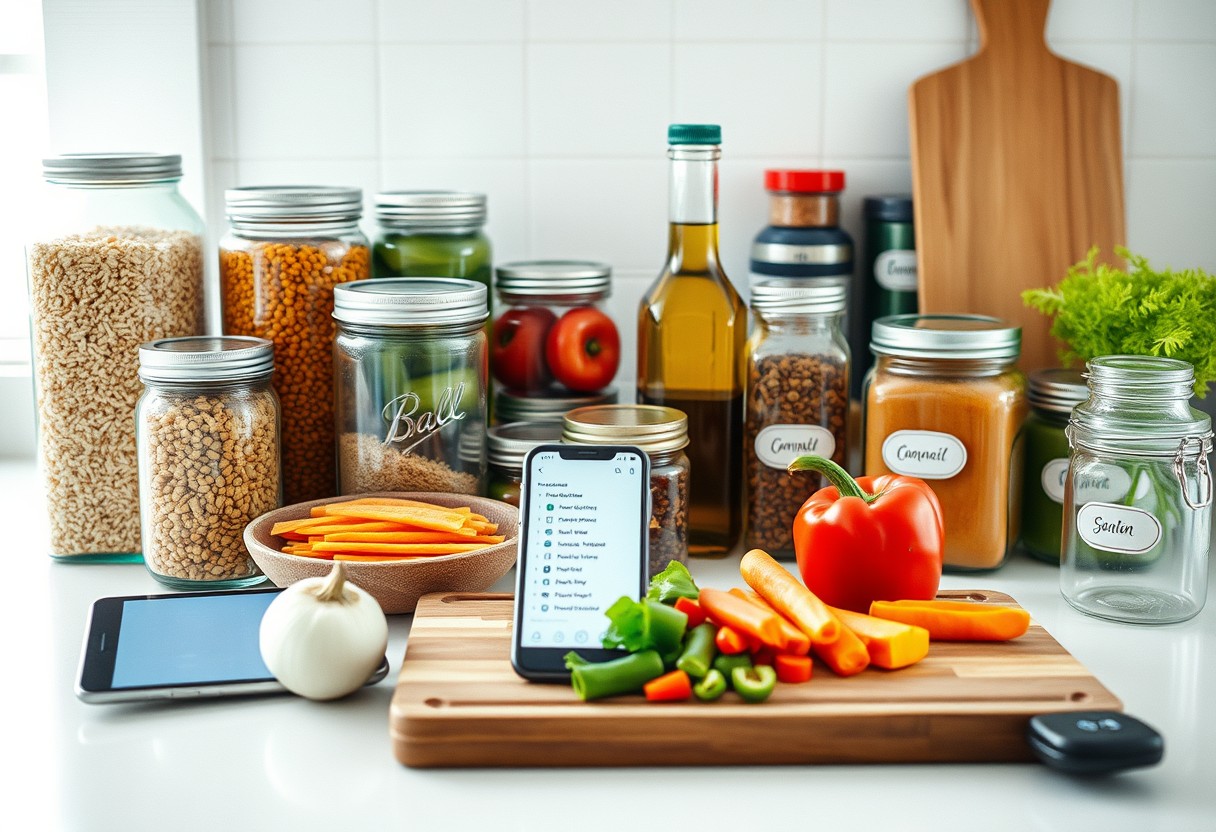
You can save time, reduce waste, and eat well by building meals around what you already own. Starting with a clear inventory, you’ll learn how to turn overlooked staples into balanced, repeatable dishes. Dangerous food waste and overspending often stem from poor planning, but a flexible system puts you in control. This method adapts to shifting schedules and ingredient availability, making meal prep sustainable for real life.
Key Takeaways:
- A flexible meal prep plan starts by assessing what you already have, turning pantry and freezer staples into the foundation of your weekly meals instead of defaulting to recipes that require endless new ingredients.
- Grouping ingredients by how they’re used-like proteins, grains, vegetables, and flavor boosters-helps you mix and match components easily, so one batch of cooked lentils or quinoa can become part of a salad, a stir-fry, or a grain bowl with minimal effort.
- Designing meals in modular layers-base, protein, vegetable, sauce-allows for variety without complexity, reducing food waste and making it easier to adjust meals based on changing schedules or unexpected leftovers.
Conducting a Comprehensive Pantry and Freezer Audit
Starting your meal prep with a clear view of what you already own stops good food from going to waste. You likely have overlooked items hiding in the back corners that can form the base of several meals. By taking inventory honestly and thoroughly, you gain control over your resources and reduce unnecessary spending. The most dangerous habit is assuming you know what’s on your shelves without verifying-many staples expire or lose potency over time. Seeing everything at once reveals real possibilities, not just guesses.
Documenting shelf-stable proteins, grains, and legumes
You may be surprised how many complete meals you can build from dry goods already in your cabinets. Canned beans, lentils, chickpeas, and powdered peanut butter count as reliable protein sources that last months. Brown rice, quinoa, oats, and dried pasta offer sustained energy and versatility. Each of these holds its value only if they’re within their use-by window-check dates carefully. The positive outcome? A well-documented list turns overlooked cans into the backbone of nourishing bowls, soups, and salads without a single trip to the store.
Assessing frozen assets and long-term storage contents
Frozen vegetables, fruits, meats, and cooked grains often go forgotten until they’re frostbitten or unrecognizable. Pull everything out and inspect for ice buildup, packaging integrity, and labeling clarity. Bagged spinach, frozen chicken breasts, or leftover casseroles can extend your meal timeline significantly. Some items might be too far gone-discard anything with heavy freezer burn or off smells. Your freezer isn’t a black hole; treating it as a visible, active storage zone prevents waste and protects your investment in bulk purchases.
Categorizing Ingredients by Culinary Function
Sorting what you already have by how it functions in cooking transforms a cluttered shelf into a workable kitchen toolkit. When you see items not as isolated ingredients but as active components-like bases, boosters, or binders-the mental barrier to starting a meal drops significantly. You stop staring at canned beans and rice and start seeing a bowl structure taking shape. This functional mindset turns limitations into creative fuel, allowing you to build meals without relying on exact recipes.
Distinguishing between base carbohydrates and flavor boosters
Base carbohydrates like dried pasta, rice, quinoa, or oats serve as the structural foundation of your meals, providing bulk and sustained energy. These are the neutral players that absorb flavors rather than dominate them. In contrast, flavor boosters-such as soy sauce, canned tomatoes, pickled vegetables, or spice blends-add intensity and character with minimal volume. Mistaking a flavor booster for a base leads to unbalanced dishes or running out of food quickly, so keep their roles distinct when planning portions.
Identifying versatile proteins compatible with multiple cuisines
Proteins such as canned tuna, black beans, lentils, tofu, or frozen chicken breasts can cross culinary borders with ease when paired with the right seasonings and sauces. Their mild profiles adapt well to Mexican, Asian, Mediterranean, or American-style preparations. This flexibility means one protein can yield several different meals across the week without requiring extra shopping. Stocking these adaptable options increases variety while reducing waste and effort in your prep routine.
Developing a Modular Meal Architecture
Designing flexible meal templates transforms your pantry inventory into reliable, stress-free meals without rigid recipes. You can swap ingredients freely while keeping the structure intact-think grain bowls, stir-fries, or sheet-pan roasts. This adaptability means no last-minute grocery runs, even if your fridge is sparse. For inspiration, see how a Real-Life Meal Prep Plan For Busy Families! at a Rivertown family streamlined their routine using similar principles.
How-to guide for mastering the grain-bowl and stir-fry formulas
Start each bowl or stir-fry with a base of cooked grains or noodles already in your pantry. Add a layer of roasted or raw vegetables and a source of protein like canned beans, chickpeas, or leftover chicken. Toss everything in a simple sauce made from pantry staples like soy sauce, garlic, and sesame oil. The consistency of this method ensures variety without complexity, and you can change textures and flavors weekly using what’s on hand.
Factors for using “hero” ingredients to define flavor profiles
Choose one bold ingredient per meal to anchor the dish’s identity-such as harissa, preserved lemons, or smoked paprika. These “hero” elements compensate for limited variety and elevate simple combinations. A single jar of spicy chili crisp can redefine three different meals using the same beans and rice. Focus on strong aromatics, umami-rich sauces, or fermented items to maximize impact with minimal components.
- Build meals around a modular template for flexibility
- Use grain bowls and stir-fries as repeatable formats
- Leverage hero ingredients to create distinct flavors
- Maximize pantry staples with strategic substitutions
Strategizing Gap-Fill Grocery Shopping
Smart grocery shopping starts with seeing your pantry as the foundation, not a supplement. You only need to buy what brings your stored ingredients to life-primarily fresh perishables like vegetables, dairy, or proteins. This focused approach prevents impulse buys and reduces waste. By identifying exactly which components are missing from planned meals, you turn shopping into a precision task rather than a routine expense. The result is lower spending, higher utilization of what you already own, and meals that feel fresh and intentional without overstocking.
Tips for selecting high-impact produce to complement dry goods
- Choose versatile vegetables like onions, garlic, and carrots-they pair well with beans, grains, and canned tomatoes
- Prioritize long-lasting greens such as kale or collards over delicate lettuces to reduce spoilage risk
- Opt for seasonal produce that’s on sale, as it’s fresher and more affordable
- Select cooking-ready items like pre-washed spinach or chopped peppers if time is limited
Factors for buying minimal perishables to maximize existing stock
- Match protein purchases directly to the number of meals you’ve planned with canned beans or pasta
- Buy fresh dairy in small quantities-just enough to complete sauces or breakfasts
- Focus on multi-use ingredients like eggs or mushrooms that stretch across multiple dishes
- Keep shelf life in mind-select items that will be used before they spoil
Implementing Efficient Batch-Prep Systems
Batch-prepping core components like proteins, grains, and vegetables on a single day dramatically reduces weekday cooking stress. By roasting a large tray of chicken thighs or baking tofu in seasoned marinade, you create a versatile base for multiple meals. Simultaneously boiling a big batch of rice, quinoa, or pasta means you’re never starting from scratch. These foundational elements stay fresh in the fridge for up to five days, ready to be recombined into stir-fries, bowls, or salads. The real efficiency comes from cooking once, eating many times without repetition.
How-to guide for multi-purpose protein roasting and grain boiling
You can roast two to three pounds of chicken, beans, or tofu at once using simple seasoning like garlic, paprika, and olive oil to keep flavors neutral and adaptable. Place proteins on a parchment-lined tray and bake at 400°F until fully cooked, flipping halfway for even browning. For grains, use a 2:1 water-to-dry ratio in a large pot and bring to a boil before reducing to a simmer. Once done, fluff and cool before storing. These batch-cooked staples integrate seamlessly into tacos, grain bowls, or soups all week.
Tips for pre-chopping vegetables for varied culinary applications
- Chop onions, bell peppers, and carrots into uniform pieces for consistent cooking across sautés, omelets, and soups
- Store delicate greens like spinach in airtight containers with a paper towel to absorb moisture and prevent wilting
- Cut dense vegetables such as sweet potatoes or broccoli into similar sizes so they roast evenly when used later
- Keep aromatic bases-garlic, ginger, shallots-pre-minced in small jars for quick flavor boosts
- Use separate containers for wet and dry veggies to avoid sogginess in dishes like stir-fries or grain salads
Adapting the Plan for Real-Life Variables
Life rarely follows a script, and your meal prep shouldn’t require one either. When unexpected meetings or last-minute obligations shift your schedule, a flexible mindset keeps your plan intact without stress. You don’t need to abandon your system just because dinner gets delayed. Instead, adjust cooking times, repurpose components into next-day lunches, or rely on freezer backups you’ve already prepared. The strength of your plan lies not in rigid adherence, but in its ability to bend without breaking.
Tips for swapping ingredients when specific staples run low
- Replace canned tomatoes with roasted red pepper puree for a different but equally rich base
- Substitute rice with quinoa, barley, or cauliflower rice depending on what’s available
- Use any firm white fish interchangeably-cod, haddock, or tilapia-based on stock levels
- Swap fresh herbs with dried versions at a 3:1 ratio when needed
- Trade beans for lentils or chickpeas to maintain protein and fiber
Running low on a specific item doesn’t mean your meal fails. You can maintain flavor and nutrition by understanding which ingredients serve similar roles. A shortage of soy sauce doesn’t halt progress-tamari or coconut aminos work well. When onions are gone, a pinch of onion powder or a handful of leeks can stand in. Flexibility with substitutions keeps your meals on track and reduces unnecessary trips to the store.
Factors for rotating pantry stock to ensure peak freshness
- Label containers with purchase dates to track shelf life
- Store grains and legumes in airtight containers away from heat and light
- Use older frozen goods first to prevent freezer burn and waste
- Check spice potency every six months; replace when aroma fades
- Keep a running list of perishable dry goods like dried mushrooms or seaweed
Stale ingredients undermine even the best-prepared meal. You protect flavor and nutritional value by rotating stock using the “first in, first out” method. Place newly purchased items behind older ones to ensure consumption in order. Pay special attention to oils, which can turn rancid, and canned goods with dented seams. Regular checks keep your pantry both safe and effective.
Final Words
You now have the tools to build a meal prep plan that works with what you already own, reducing waste and saving time. By understanding your pantry’s contents and organizing them by function, you create a system that adapts to your schedule, preferences, and dietary needs. A flexible approach means fewer last-minute meals and more confidence in the kitchen. You don’t need a stocked supermarket-just clarity, structure, and a willingness to repurpose ingredients creatively. This method turns limitations into opportunities, making everyday cooking simpler and more sustainable.
FAQ
Q: How do I start building a meal prep plan when I don’t know what I have at home?
A: Begin by pulling every item from your pantry, fridge, and freezer and laying them out where you can see them. Group similar items together-grains, canned goods, sauces, spices, frozen proteins, and vegetables. Check expiration dates and set aside anything expired. Create a simple list of what remains, noting quantities. This visual inventory makes it easier to see what meals you can realistically build without buying anything new.
Q: Can I really make balanced meals using only pantry staples?
A: Yes, many pantry items contribute to balanced meals when combined thoughtfully. Canned beans and lentils offer protein and fiber, while whole grains like brown rice or quinoa provide complex carbohydrates. Add frozen vegetables and a source of fat-such as olive oil or canned tuna-and you have a complete plate. A jar of marinara sauce with whole wheat pasta, canned chickpeas, and frozen spinach is a simple, nutritious one-bowl meal ready in 15 minutes.
Q: What should I do if I have random ingredients but no clear recipe in mind?
A: Think in terms of flavor profiles and meal templates instead of exact recipes. For example, a stir-fry template includes a protein, a vegetable, a sauce, and a grain. If you have frozen chicken, canned water chestnuts, soy sauce, and rice, you can make a stir-fry without a formal recipe. Similarly, a grain bowl can combine cooked barley, black beans, corn, salsa, and shredded cheese. Use what you have within a loose structure to avoid decision fatigue.
Q: How can I avoid buying duplicates when I go grocery shopping?
A: Before heading to the store, take a photo of your inventory list or keep it on your phone. As you walk through the aisles, cross-check each item against what you already own. Focus on purchasing only what fills a specific gap-like fresh herbs to finish dishes or a missing protein to round out meals. Avoid bulk buys unless you’re certain the item is regularly used and won’t expire before the next prep cycle.
Q: How often should I reassess my pantry-based meal plan?
A: Reassess weekly, ideally before starting a new meal prep session. This allows you to use up items nearing expiration and adjust based on what you actually cooked versus what you planned. A weekly review also helps you notice patterns-like always running out of canned tomatoes or never using certain spices-so future plans become more accurate and waste decreases over time.