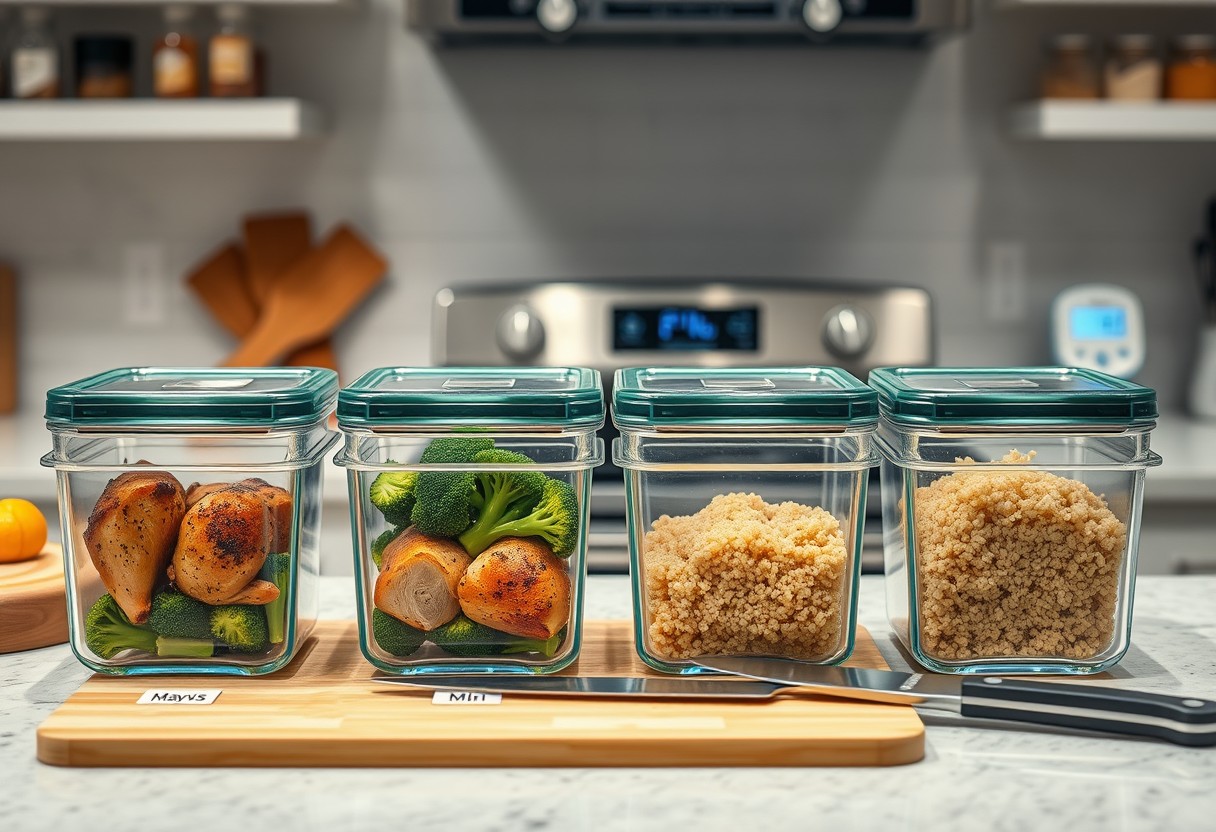
When you cook once and finish later, you save up to 70% of active cooking time during the week. This method means preparing foundational elements-like proteins, grains, and roasted vegetables-in a single session, then finishing each meal quickly when needed. The risk? Food safety lapses if components are stored improperly. But done right, you gain consistent, high-quality meals with minimal nightly effort.
Key Takeaways:
- Preparing core components like grains, proteins, and roasted vegetables in advance allows for faster assembly of complete meals during the week, cutting active cooking time on busy nights.
- Par-cooking-cooking ingredients partway ahead of time-preserves texture and flavor, making it easier to finish dishes quickly without sacrificing quality.
- Storing cooked ingredients properly in airtight containers keeps them safe and fresh, enabling reliable reuse across multiple meals without guesswork or waste.
The Mise en Place of Time
Planning your meals isn’t just about recipes-it’s about reclaiming your evenings through intentional time investment. By shifting the bulk of prep to a single focused block, you eliminate the daily scramble for knives, pans, and ingredients after a long day. This method turns cooking from a nightly burden into a streamlined ritual, where your future self benefits from past effort. The real payoff comes when you walk in the door tired but still manage a hot, home-cooked meal in minutes.
The Sunday Shift Mentality
Scheduling a dedicated block on Sunday sets the tone for a calmer week ahead. You’re not just cooking-you’re buying back time and energy when you need it most. Treat this hour like a non-negotiable appointment, where the goal isn’t perfection but progress. Chopping vegetables, portioning proteins, or simmering a base sauce all count as wins. This small shift builds momentum, making healthy, homemade dinners feel less like a chore and more like a natural part of your routine.
Essential Tool Kit for the Grind
Having the right tools within reach makes sustained effort feel effortless over time. A sharp chef’s knife, heavy-duty cutting boards, and a set of airtight, stackable containers are non-negotiable for efficient batch work. Don’t underestimate the power of labeled freezer bags or a simple timer to keep tasks on track. These items reduce friction during your prep session, so you’re more likely to stick with it week after week. Invest once, benefit every night.
The Art of the Par-Cook
Par-cooking transforms your weeknight rhythm by bringing ingredients to the brink of doneness, then pausing just before they lose their ideal texture. You stop proteins when they’re 70-80% cooked, preserving juiciness through final searing later. Vegetables are blanched to crisp-tender, locking in color and bite. This method prevents mushy results and ensures restaurant-quality outcomes with minimal effort at dinner time. Explore tested combinations in this Cook Once Eat All Week Recipes guide for reliable templates.
Protein Searing Tactics
Searing builds flavor fast, but stopping early preserves moisture during reheating. You pull chicken breasts or steak from heat when still slightly pink in the center-undercooking now prevents dryness later. A hot pan and oil with high smoke point create a rich crust without finishing the interior. Let the meat rest, then refrigerate flat for quick cooling. When dinner arrives, a 90-second finish in a blazing skillet delivers a browned exterior and perfectly juicy inside, mimicking fresh-cooked results every time.
Starch Foundations
Pasta, rice, and potatoes benefit from partial cooking that holds structure through storage. You boil pasta until firm to the bite, then shock it in cold water to halt cooking-this stops starch breakdown and gumminess. For grains like quinoa or farro, simmer until tender but not soft, draining excess liquid promptly. Par-cooked potatoes roast faster later and develop a crisp outer layer while staying fluffy within. When finished, these starches integrate seamlessly into meals without turning into mush.
The Final Flash
High heat transforms prepped ingredients into a restaurant-quality dish in minutes. You sear proteins to develop a caramelized crust that locks in moisture while intensifying flavor. Fresh aromatics-garlic, shallots, ginger-hit the pan just before finishing, releasing their volatile oils without burning. A splash of wine or stock lifts the fond, creating a quick pan sauce that coats each component evenly. This final stage takes under five minutes but makes the entire meal feel immediate and alive, turning restraint into brilliance.
Pan-Sauce Magic
After removing seared proteins, you deglaze the hot pan with a small amount of liquid-white wine, broth, or even vinegar. The sizzling reaction loosens browned bits stuck to the surface, known as fond, which dissolves into a rich, complex base for your sauce. A pat of cold butter or a drizzle of olive oil swirled in at the end adds body and shine. This technique turns minimal effort into a flavor-packed finish that elevates even simple ingredients.
Fresh Herb Integration
Delicate herbs like basil, cilantro, or dill lose their vibrancy when exposed to prolonged heat. You add them at the very end, scattering them over the dish just before serving to preserve their aroma and color. The residual heat is enough to awaken their essential oils without dulling their brightness. This final touch delivers a burst of freshness that cuts through richness and balances the entire plate, making your meal taste lively and intentional.
Cold Chain Discipline
Temperature control after cooking determines whether your prepared components remain safe and flavorful. Cooling food quickly and storing it properly halts bacterial growth, which begins rapidly when cooked items linger in the danger zone between 40°F and 140°F. You must treat every dish as a potential breeding ground for pathogens if left unattended on the counter. Refrigeration within two hours-or one hour if ambient temperatures exceed 90°F-is non-negotiable. This simple discipline preserves texture, prevents spoilage, and ensures that your meal-prepped elements stay ready for future use without compromise.
Rapid Cooling Methods
Soups, stews, and braises retain heat longer, making them especially prone to bacterial bloom if cooled slowly. You can divide large batches into shallow metal pans, which transfer heat faster than plastic or glass, cutting cooling time by more than half. Another effective method is using an ice bath: place the container in a larger vessel filled with ice water and stir frequently to release trapped warmth. These techniques ensure your food reaches a safe internal temperature-below 40°F-within the critical window, maintaining both safety and quality from cook to storage.
Container Rigor
Airtight, stackable containers aren’t just convenient-they’re essential for preserving freshness and preventing cross-contamination. You should only store cooled components in food-grade containers with secure lids that create a complete seal. Glass offers superior odor resistance and doesn’t absorb stains, while BPA-free plastic works well for lightweight organization. Label each container with its contents and date to track freshness, because even properly stored food degrades over time. The integrity of your storage system directly impacts how long your meals remain safe and appetizing.
Resurrection via Heat
You already know that how you reheat a dish can make or break the effort invested in its initial cook. The goal isn’t just warmth-it’s restoration. Reintroducing heat properly brings back texture, aroma, and depth, not just temperature. Microwaving may be fast, but it often collapses structure and flattens flavor. Instead, treat reheating as a second act of cooking, one where precision preserves what mattered most in the original dish.
The Oven Over the Microwave
Oven reheating delivers even, dry heat that preserves integrity, especially for proteins and roasted vegetables. When you use the microwave, moisture gets trapped, turning crisp edges into soggy remnants. Preheat your oven to 325°F and warm dishes covered with foil, uncovering briefly at the end to revive surface texture. For casseroles, roasted meats, or grain bakes, this method maintains mouthfeel and layered seasoning far better than any quick zap ever could.
Liquid Reconstitution
Dried-out grains or braises regain life when you reintroduce liquid before reheating. A splash of broth, water, or even reserved cooking liquid prevents sticking and reawakens the dish’s original succulence. Add just enough to moisten-too much dilutes flavor. Steam gently on the stovetop or in a covered oven dish, allowing the ingredients to absorb what they lost in storage. This small step transforms leftovers from flat to vibrant with minimal effort.
The Professional Workflow
Clarity begins with a clean surface. When you finish cooking, the state of your kitchen directly impacts your mindset for the next meal. A cluttered stovetop or sink full of residue invites hesitation, making it harder to start again. By maintaining order through each step, you reduce decision fatigue and eliminate visual noise that distracts from the task. Walking into a tidy space removes friction, turning dinner from a burden into a routine. This discipline isn’t about perfection-it’s about preserving your energy.
The One-Pan Philosophy
Cooking with a single pan limits cleanup and focuses your attention where it matters. Instead of juggling multiple vessels, you build flavor layers in one space, letting ingredients carry over fond and seasoning naturally. Less equipment means fewer distractions and a faster return to your evening. Choose proteins and vegetables that roast or sear well together, seasoning with precision to avoid cross-flavor clashes. This method isn’t a compromise-it’s a streamlined approach that honors efficiency without sacrificing taste.
Post-Service Reset
As soon as the meal ends, clear and clean your workspace before fatigue sets in. Wipe counters, return ingredients to storage, and wash or load the pan you used. Resetting immediately prevents residue from hardening and eliminates tomorrow’s resistance to begin. You’re not just cleaning-you’re setting the stage for success, ensuring the kitchen remains a place of action, not dread. Doing this nightly takes under five minutes but delivers lasting mental relief.
Summing up
You save real time on busy weeknights when you cook once and finish later. This method relies on smart prep, partial cooking, and safe storage to cut evening effort without sacrificing flavor or quality. You maintain control over ingredients, reduce last-minute stress, and still serve fresh meals. Professional kitchens use similar workflows to deliver consistency under pressure, and you can apply the same logic at home. With practice, your kitchen routine becomes more efficient, predictable, and sustainable.
FAQ
Q: What exactly is the “Cook Once, Finish Later” method?
A: The “Cook Once, Finish Later” method is a meal prep strategy designed for busy schedules. It involves completing the majority of cooking in advance-often up to the point where the dish is nearly finished-then storing it safely to be quickly reheated and completed with fresh elements later. For example, a sauce might be simmered and cooled, then finished with fresh herbs and a splash of cream just before serving. This approach reduces active cooking time on busy nights while preserving flavor and texture.
Q: Can I use this method with any type of cuisine?
A: Yes, the method works across many cuisines, from Italian ragù to Thai curries and roasted proteins. Dishes with layered flavors that benefit from long, slow cooking are especially well suited. A mid-sized SaaS firm employee might par-cook chickpeas for a Moroccan stew during the weekend, then finish it with sautéed spinach and lemon zest on Tuesday evening. The key is identifying components that hold up well in storage and benefit from a final touch of freshness.
Q: How long can I safely store pre-cooked components?
A: Most par-cooked elements like braised meats, grains, or sauces can be refrigerated for three to four days without quality loss. For longer storage, freezing is recommended. A tomato-based Bolognese sauce, for instance, can be frozen in portions and thawed quickly. Always cool food rapidly and store it in airtight containers to maintain safety and flavor. This method relies on strict cold chain discipline to prevent spoilage.
Q: Do I need special equipment to make this work?
A: Basic kitchen tools are sufficient. A few airtight containers, a reliable stove, and an oven cover most needs. Some people use vacuum sealers or pressure cookers to speed up initial cooking, but these are optional. A college student in a dorm might use a single burner to par-cook lentils for dal, then finish it with fresh garlic and cilantro the next day. Simplicity is part of the method’s strength.
Q: What’s the biggest mistake people make when trying this method?
A: The most common error is overcooking during the initial phase. If vegetables are fully cooked before storage, they turn mushy when reheated. The goal is to par-cook-cook about 70 to 80 percent of the way-then finish later. Another frequent issue is skipping the final seasoning. A dish reheated without a final pinch of salt, squeeze of citrus, or drizzle of oil can taste flat. These small touches revive flavor and make the meal feel fresh.