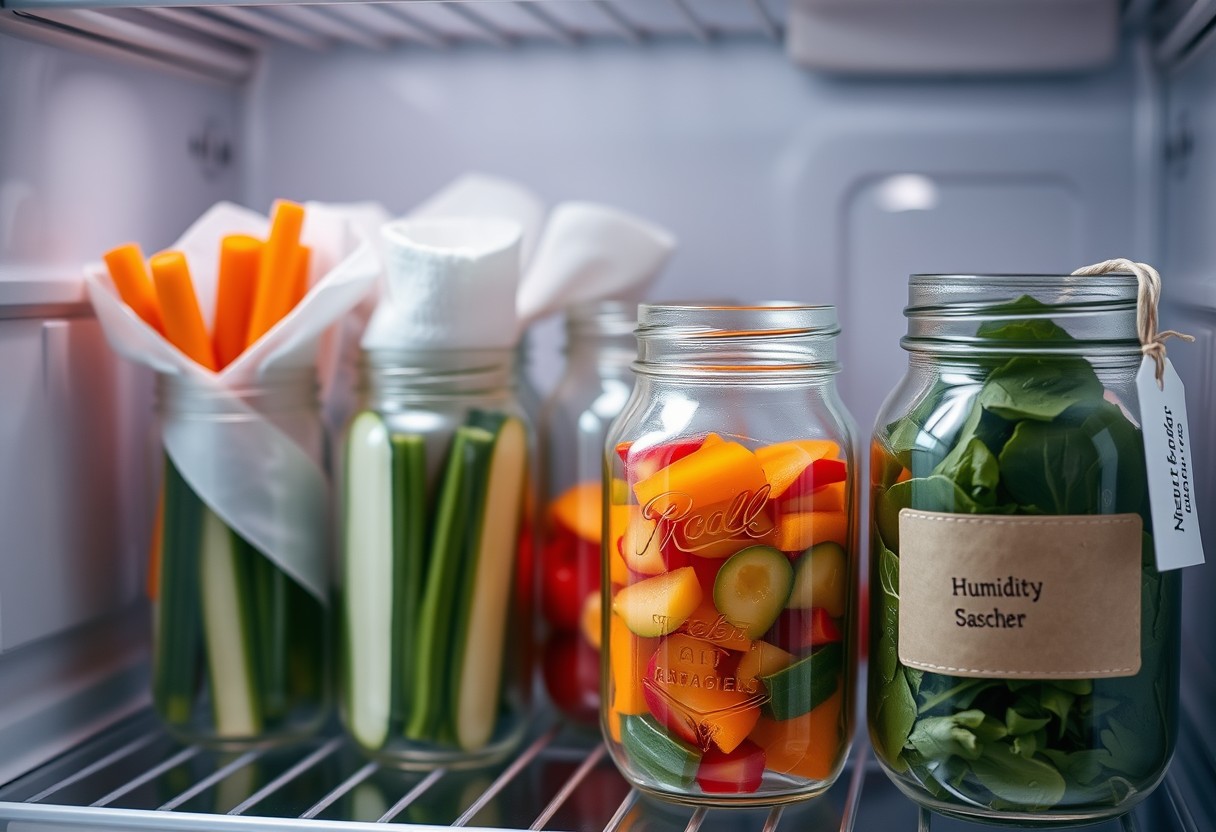
You’ve spent time washing, chopping, and organizing your vegetables only to find them limp and soaked a few days later. Sogginess isn’t just unappetizing-it signals nutrient loss and faster spoilage. The right storage method can extend freshness by up to five extra days. With precise techniques, you’ll maintain crisp texture and avoid food waste. This guide shows you exactly how to protect your prepped produce from moisture damage.
Key Takeaways:
- Dry vegetables thoroughly before storing-any surface moisture accelerates spoilage and leads to sogginess, especially in leafy greens and herbs.
- Use breathable storage containers or perforated bags to allow air circulation, which helps regulate humidity and prevents condensation buildup around the produce.
- Store vegetables in the right zone of the refrigerator-typically the high-humidity crisper drawer-but keep ethylene-sensitive items like carrots and broccoli away from ethylene-producing fruits like apples and avocados.
Identifying Critical Factors of Produce Decay
Moisture and temperature directly influence how quickly prepped vegetables deteriorate in your refrigerator. When stored improperly, even freshly cut produce can begin to break down within hours due to accelerated cellular respiration and microbial growth. Excess moisture creates an environment where cellular structures weaken, leading to limpness and spoilage. Cold but fluctuating temperatures further stress plant tissues, promoting faster decay. To preserve texture and nutritional quality, it’s essential to understand how these elements interact at a biological level. Key factors include:
- The rate of cellular respiration in cut vegetables
- Presence of surface moisture after preparation
- Temperature consistency in your refrigerator
- Exposure to ethylene-producing produce
- Duration of cold storage post-prep
The Role of Cellular Respiration
Once vegetables are cut, their cells continue to respire, consuming stored sugars and releasing heat, carbon dioxide, and moisture. This ongoing metabolic activity accelerates tissue degradation, especially in high-moisture vegetables like cucumbers and zucchini. Increased respiration rates lead to faster loss of crispness and flavor. Storing prepped vegetables at consistently cold temperatures slows this process, but cannot stop it entirely. Your handling immediately after cutting-particularly how quickly you chill them-determines how much structural integrity they retain over time.
Impact of Excess Surface Humidity
Water clinging to the surface of chopped vegetables creates a breeding ground for bacteria and fungi that speed up spoilage. Even small amounts of residual moisture can penetrate cell walls through osmosis, causing texture breakdown and mushiness. The damp environment also encourages anaerobic conditions, which degrade quality from the outside in. Drying vegetables thoroughly before storage is one of the most effective ways to prevent premature sogginess. Failure to remove surface water often results in limp, unappetizing produce within 24 hours.
Essential Pre-Storage Preparation Tips
To keep your prepped vegetables crisp, focus on two foundational steps: thorough drying and strategic cutting. Moisture on the surface of vegetables accelerates spoilage, so eliminating excess water is essential for longevity. How you cut produce also influences its texture during storage-some shapes hold up better than others. By mastering these techniques, you prevent sogginess before it starts, ensuring your vegetables remain fresh and firm for days.
Effective Drying Techniques Using Spinners and Towels
After washing, residual moisture is one of the biggest threats to vegetable crispness. Use a salad spinner to remove bulk water quickly-this step is critical for leafy greens like lettuce or spinach. With a few firm spins, you eliminate most surface moisture without bruising delicate leaves. For extra assurance, transfer the greens to a clean kitchen towel, then gently roll and pat them dry. This method ensures your vegetables stay dry and ready for storage, dramatically reducing the chance of premature sogginess.
Optimal Cutting Styles for Structural Integrity
The way you cut vegetables directly affects their ability to retain texture in cold, humid environments. Larger, denser cuts like thick batons or whole cherry tomatoes maintain their structure better than fine dice or thin slices. Exposing less surface area slows moisture absorption and oxidation, keeping your prep intact longer. For broccoli or cauliflower, leave florets slightly larger than usual to resist softening. Sturdier cuts mean crisper results, especially after three or more days in refrigeration.
Selecting Optimal Storage Containers
Container choice directly influences how well your prepped vegetables retain texture and freshness. Too much airflow leads to dehydration, while completely airtight conditions can trap ethylene gas and moisture, accelerating spoilage. Your best approach is matching the container type to the vegetable’s respiration rate. For high-respiring items like broccoli or green beans, a balance of slight ventilation and humidity retention prevents sogginess. Look for designs that offer adjustable airflow or use containers with minimal gaps to maintain this equilibrium.
Glass versus BPA-Free Plastic Options
Glass containers offer superior moisture resistance and don’t absorb odors, making them ideal for preserving crispness over several days. They are heavier and less flexible, but their non-porous surface prevents bacterial buildup and chemical leaching. BPA-free plastic containers are lightweight and shatter-resistant, yet can develop scratches over time that harbor moisture and microbes. If you choose plastic, select thick, food-grade versions and avoid washing them in high-heat settings to maintain integrity. For most prepped vegetables, glass delivers longer-lasting protection against sogginess.
Utilizing Ventilated Produce Bins
Ventilated bins built into your refrigerator are designed to regulate airflow, but they work best when used intentionally. Containers with small perforations allow excess moisture to escape while maintaining high humidity, which is essential for leafy greens and herbs prone to wilting or molding. If your storage bin lacks natural vents, consider placing a folded paper towel at the bottom to absorb condensation. Avoid overcrowding, as packed vegetables trap moisture between them, creating a damp environment that rapidly leads to soft spots and spoilage.
Mastering Refrigerator Placement Strategies
Proper placement inside your refrigerator plays a decisive role in preserving the crispness of prepped vegetables. Most units feature adjustable humidity drawers designed to maintain ideal moisture levels-set the slider to high humidity for leafy greens and low for fruits that emit ethylene. Keeping these settings aligned with your stored items prevents excess condensation, which directly contributes to sogginess. Temperature stability matters just as much; avoid placing vegetables near the back wall where cold air circulates most intensely, as even brief exposure to near-freezing zones can degrade texture.
Utilizing Crisper Drawers Correctly
Each crisper drawer serves a specific environmental purpose that directly affects vegetable quality. You should store prepped vegetables in the high-humidity drawer, where the sealed environment retains moisture and slows dehydration. Leaving the vent closed for vegetables like carrots and bell peppers maintains a damp-friendly atmosphere that preserves firmness. Overfilling the drawer disrupts airflow, so arrange contents in single layers whenever possible. This small adjustment ensures your produce remains dry to the touch yet hydrated within, preventing the limp, waterlogged texture that signals early spoilage.
Avoiding Cold Spots to Prevent Freezing
Temperature variances within your refrigerator can create invisible danger zones that damage vegetables before you notice. The back corners and areas near the freezer compartment often dip below freezing, causing cell walls in cut produce to rupture and release water upon thawing. Placing prepped vegetables on the middle shelf, away from direct airflow and metal walls, minimizes this risk. Glass containers also help by providing a slight insulating barrier. Watch for frost or ice crystals-these are clear signs your vegetables are too close to a cold spot and losing structural integrity.
How-To Maintain Daily Freshness
To keep your prepped vegetables crisp and appealing throughout the week, integrate moisture-absorbing materials and consistent checks into your routine. Excess moisture is the primary cause of sogginess and spoilage, so placing an absorbent layer inside your storage container makes a significant difference. You don’t need specialized products-simple, accessible solutions work effectively when applied correctly. Inspect your containers every 24 hours to assess texture and dryness, intervening before degradation accelerates. This daily attention prevents microbial growth and maintains the vegetable’s structural integrity far longer than passive storage.
Implementing Paper Towel Liners
Line the bottom and top of your storage container with a clean paper towel to draw away excess moisture released by cut vegetables. The towel acts as a barrier between the produce and pooled liquid, preserving crunch and color. Replace the liner immediately if it feels damp, as a saturated towel stops absorbing and can promote bacterial spread. For best results, use plain, non-printed towels to avoid chemical transfer. This low-cost step is one of the most effective ways to extend freshness without altering flavor or texture.
Routine Rotation and Moisture Removal
Check your stored vegetables every day and remove any pieces showing signs of softness or condensation buildup. Rotating items ensures even exposure to airflow and helps you catch early spoilage before it spreads. Use a clean cloth to wipe down container walls if moisture accumulates, then reseal with fresh absorbent material. This proactive approach prevents the rapid breakdown of neighboring pieces and keeps your prepped vegetables tasting just-cut for days longer than unmonitored storage methods.
Specialized Handling for Unique Vegetables
Preserving Crispness in Leafy Greens
You must treat leafy greens like delicate paper-they wilt fast when dry or compressed. After washing, dry them completely using a salad spinner or clean towel, because trapped moisture speeds spoilage. Wrap the leaves loosely in a dry cloth or paper towel inside an airtight container to absorb humidity without crushing them. Store them in the crisper drawer’s high-humidity zone, where airflow stays gentle and temperature remains stable. This method keeps your spinach, kale, and arugula crisp for up to five days.
Storing Sliced Root Vegetables in Water
Submerging sliced root vegetables in water prevents oxidation and maintains firm texture. Carrots, beets, and turnips release natural sugars that attract bacteria if left exposed, so covering them with cold water in a sealed container slows microbial growth. Change the water every two days to keep it fresh and inhibit cloudiness or odor. Keep the container in the coldest part of the fridge, not the door, where temperature swings are minimal. This technique extends freshness for up to one week without sacrificing flavor or crunch.
Summing up
You can keep prepped vegetables crisp by controlling moisture, using breathable storage containers, and placing them in the right part of your refrigerator. Drying vegetables thoroughly after washing and storing them with paper towels to absorb excess humidity makes a noticeable difference in texture and shelf life. Place cut items like carrots or bell peppers in the crisper drawer, where humidity levels are more stable. For answers to common concerns such as How long can you keep prepped vegetables in the fridge?, community insights offer practical, real-world guidance based on tested experience.
FAQ
Q: Why do prepped vegetables become soggy in the refrigerator?
A: Cut vegetables release moisture through their exposed surfaces, especially in the cool, humid environment of a refrigerator. When stored in airtight containers without proper airflow or moisture control, that released water accumulates and softens the texture. High-moisture veggies like cucumbers, zucchini, and tomatoes are especially prone to this. The breakdown of cell walls after cutting also contributes to limpness over time.
Q: Should I wash vegetables before storing them in the fridge?
A: It depends on the vegetable. Leafy greens like spinach or kale should be washed, thoroughly dried, and then stored to prevent trapped moisture from accelerating spoilage. For firm vegetables like carrots or bell peppers, washing before cutting is fine, but they must be completely dry before refrigeration. Any lingering surface water speeds up sogginess and microbial growth. Patting with a clean towel or using a salad spinner helps remove excess moisture effectively.
Q: What’s the best way to store chopped vegetables to keep them crisp?
A: Use breathable containers lined with dry paper towels. The paper towels absorb excess moisture while allowing slight airflow, which helps maintain crispness. For example, place sliced bell peppers in a container with a towel on the bottom and another on top. Avoid sealing wet veggies in non-vented plastic bags or containers without absorbent layers. Glass containers with loose-fitting lids often work better than zip-top bags.
Q: Can I store different types of prepped vegetables together?
A: Some combinations work, but others do not. Vegetables with high moisture content, like tomatoes or cucumbers, should be stored separately from drier ones like carrots or broccoli to prevent cross-moisture transfer. Also, ethylene-sensitive vegetables such as leafy greens and peppers should be kept apart from ethylene-producing ones like onions or ripe tomatoes. Mixing them can lead to faster spoilage and texture degradation.
Q: How long can prepped vegetables last in the refrigerator?
A: Most chopped vegetables stay fresh for 3 to 5 days when stored properly. Cruciferous vegetables like broccoli and cauliflower tend to last closer to 5 days, while softer vegetables like mushrooms or cut tomatoes may only last 2 to 3 days. Leafy greens, even when well-dried, usually begin to wilt by day 4. Checking stored veggies daily and replacing damp paper towels can extend their usable life by a day or two.