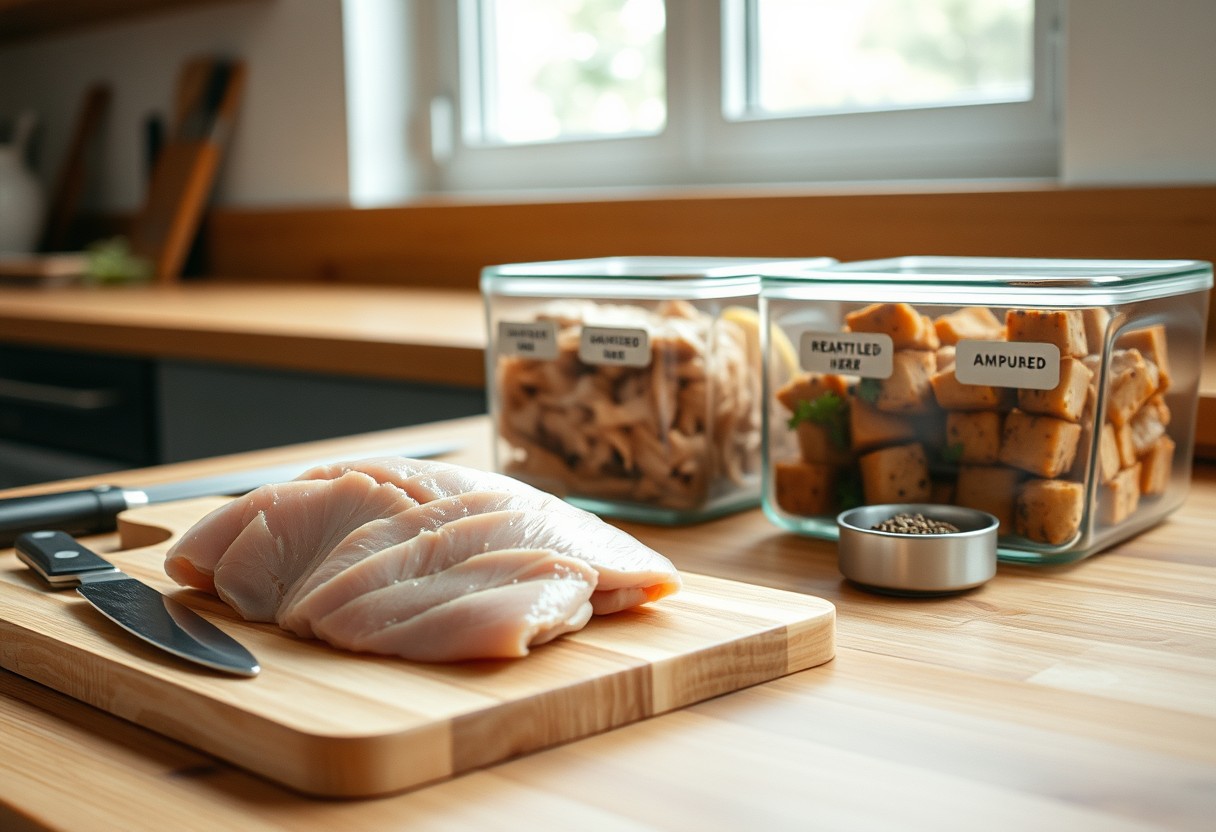
You can transform a single ingredient into three distinct meals using simple techniques and smart planning. Repetition kills appetite, but strategic prep keeps flavors fresh without extra effort. By mastering base seasoning, texture variation, and storage, you maintain quality across days. This method saves time and reduces food waste, giving you restaurant-quality variety from one purchase.
Key Takeaways:
- Cooking one ingredient in multiple ways starts with preparing a neutral base-like plain grilled chicken, roasted vegetables, or boiled grains-that can be transformed later with different sauces, spices, and cooking methods.
- Flavor variety comes from building distinct profiles using global pantry staples: for example, turning roasted sweet potatoes into a spicy harissa version, a maple-cinnamon breakfast bowl, or a savory sage-butter side for dinner.
- Texture plays a major role in making meals feel unique; altering crispiness, moisture, or mouthfeel-such as broiling, pan-searing, or mashing-helps the same ingredient taste like a completely different dish each time.
Identifying Factors for Ingredient Selection
The foundation of diverse weekly meals starts with choosing a single ingredient that naturally adapts to different cuisines and preparations. Your best choices offer neutral flavor profiles, allowing them to absorb varied seasonings without resistance. Look for ingredients with consistent texture across cooking methods, so they respond well to baking, sautéing, or simmering. Ingredients that hold up under repeated heating-like tofu, chicken breast, or beans-give you the most flexibility. Prioritize those that remain safe and palatable after several days in refrigeration.
Tips for Multi-Purpose Protein Selection
Selecting a protein that transitions smoothly between dishes hinges on its ability to take on new identities through seasoning and technique. Opt for options with mild taste and even grain, such as tempeh, cod, or ground turkey. These proteins accept bold spices, sauces, or marinades without breaking down. Choose cuts or forms that are economical in bulk, reducing cost per meal while minimizing waste. Versatility ensures each night’s dinner feels distinct, even when rooted in the same starting ingredient.
- Neutral flavor allows adaptation to global seasonings
- Uniform texture supports grilling, boiling, and shredding
- Bulk-friendly proteins reduce shopping frequency
- Low odor transfer keeps leftovers feeling fresh
Factors in Ingredient Longevity and Shelf Life
Your ingredient must stay fresh and safe from day one to five without losing quality. Items like roasted vegetables, hardy greens, or cooked lentils maintain structure and taste longer than delicate counterparts. Moisture content plays a big role-ingredients that don’t weep or soften quickly prevent sogginess in storage. Vacuum sealing or proper airtight containers extend usability, but the original inherent stability of the food matters most. Avoid proteins or produce prone to rapid spoilage, even under ideal conditions.
- Low moisture release prevents bacterial growth and texture breakdown
- Natural preservatives, like in fermented tofu or smoked fish, enhance durability
- Dense cellular structure resists mold and softening
- Cooked integrity means it reheats without disintegrating
How-to Prep a Neutral Base
Start by choosing a simple cooking method that preserves the ingredient’s natural texture and flavor without overpowering it. Poaching, steaming, or baking with minimal seasoning keeps the base neutral and ready for transformation later. Use just a small amount of salt or aromatics like onion and garlic if needed, but avoid bold spices or sauces. This approach ensures your prepped ingredient remains versatile, seamlessly adapting to a range of dishes without flavor clashes. Keep the process consistent for every batch to maintain predictability in taste and texture.
How-to Use Batch Cooking Methods for Efficiency
Prepare large quantities at once using methods like roasting on sheet pans or simmering in a stockpot to save time and energy. Cooking in bulk reduces the number of times you heat your kitchen, making the process more efficient and less taxing on your schedule. Use uniform cuts so everything cooks evenly, and rotate pans halfway through for consistent results. Invest in a reliable timer and thermometer to prevent overcooking-this small step makes a noticeable difference in quality. Cool components quickly before storing to maintain safety and freshness.
Tips for Maintaining Moisture During Bulk Prep
Retaining moisture is essential when cooking large batches, especially with lean proteins or grains that dry out easily. Cover dishes tightly with foil or use a lid when baking or simmering to trap steam. Let cooked items rest in their cooking liquid for a few minutes before portioning. Store with a light drizzle of broth or oil to prevent drying in the fridge. Key factors include:
- Always avoid overcooking, which pulls out internal moisture
- Use shallow containers for rapid, even cooling
- Refrigerate within two hours to prevent bacterial growth
- Reheat gently with added liquid to restore texture
Tips for Developing Three Flavor Profiles
To transform a single ingredient into three distinct meals, apply globally inspired spice blends and sauces that redefine its character. A simple base like roasted chicken becomes uniquely flavorful when paired with contrasting seasoning profiles. For example:
- Use curry powder and coconut milk for a Southeast Asian twist
- Apply harissa and preserved lemon for North African heat
- Combine soy sauce, ginger, and rice vinegar for an East Asian glaze
How-to Create Global Spice Blends from Scratch
You can craft authentic-tasting meals by mixing common pantry spices into region-specific blends. Start with a base of ground cumin and coriander for Middle Eastern depth, then add smoked paprika and cardamom for complexity. Toasting whole spices before grinding enhances their aroma and intensifies flavor. Keep small batches labeled by cuisine type-Indian, Mexican, or Moroccan-to streamline weekly prep. A well-balanced homemade blend avoids the salt-heavy pitfalls of store-bought versions.
Factors in Balancing Acid and Heat for Variety
Your palate perceives flavor through contrast, so adjusting acidity and heat dramatically alters a dish’s identity. You might use lime juice in a Thai-inspired stir-fry to lift rich coconut flavors, while a Mexican-style preparation relies on pickled red onions for tang. The presence of chili flakes or fresh jalapeños introduces variable spice levels without masking other notes. When layered correctly, acid brightens, and heat excites, creating meals that feel distinct even from the same starting ingredient.
Factors in Texture Variation
Texture plays a powerful role in how satisfying a meal feels over multiple servings. By altering the mouthfeel of a single ingredient through secondary heat applications, you keep each version distinct and enjoyable. Roasting, grilling, or pan-searing cooked components reintroduces crispness and depth, countering the softness that develops during storage. These techniques transform leftovers into unique dishes simply by changing the crunch or chew. The contrast tricks your palate into experiencing variety, even when the base ingredient stays the same.
- Apply high heat to restore crisp texture
- Use dry methods like broiling or air frying for maximum crunch
- Aim for color change at the edges to signal textural shift
- Limit oil to avoid greasiness while maintaining crispness
- Monitor closely-overcooking leads to bitterness or toughness
How-to Use Secondary Cooking Methods for Crunch
Revive leftover ingredients by applying dry, high-heat techniques that build a crisp exterior. A cast-iron skillet or broiler can quickly caramelize the surface of proteins or vegetables, adding a snappy crust that contrasts with the tender interior. Tofu, roasted sweet potatoes, or shredded chicken all benefit from a fast sear, delivering a satisfying crunch absent in their stored form. This brief step takes under five minutes but dramatically shifts the eating experience, making each bite feel new and intentional.
- Choose dry-heat methods like broiling or pan-frying
- Preheat your pan or oven to ensure immediate sear development
- Pat ingredients dry before cooking to maximize crisp texture
- Flip only once to allow proper browning
- Finish with a squeeze of acid to balance the richness from browning
Tips for Adding Raw Component Contrast
Introduce freshness and structure by pairing reheated dishes with uncooked elements. Thinly sliced radish, shredded cabbage, or chopped cucumber add a bright, crisp bite that offsets softer, reheated components. These raw additions require no cooking and deliver immediate textural variety with minimal effort. The temperature and firmness contrast makes each plate feel balanced and layered, preventing the monotony of uniformly soft meals. Keep them prepped separately and toss in just before serving to preserve their crunch.
- Store raw components in airtight containers with a damp cloth to maintain crispness
- Choose vegetables with high water content for maximum fresh crunch
- Season raw toppings lightly with salt and acid just before use
- Use a sharp knife or mandoline for uniform texture
- Limit dressing on raw elements until serving to avoid sogginess
How-to Store and Reheate for Freshness
Storing your prepped ingredient correctly ensures it stays safe and flavorful for days. Temperature, air exposure, and container quality directly impact how well your ingredient holds up. Keep everything refrigerated below 40°F and avoid leaving prepped items at room temperature for more than two hours to prevent bacterial growth. Use airtight containers to limit moisture loss and odor transfer, both of which can compromise quality and safety. When stored properly, most prepped bases remain fresh for up to four days without noticeable decline in texture or taste.
Factors in Container Selection for Food Safety
The right container plays a major role in keeping your prepped ingredient safe and fresh. Choose materials that are food-grade and designed for refrigeration to avoid chemical leaching or cracking. Glass containers resist stains and odors, while BPA-free plastic offers lightweight convenience. Make sure each container has a secure lid to maintain an airtight seal and prevent leaks. Always label with the prep date so you can track freshness and avoid consuming spoiled food.
- Select airtight containers to minimize oxidation and moisture loss
- Opt for glass or BPA-free plastic to ensure chemical safety
- Use containers with stackable designs to save space and reduce shifting
- Ensure lids create a complete seal to block contaminants
- Label each container with the prep date for accurate freshness tracking
Tips for Reheating Without Losing Texture
Reheating properly preserves the texture and flavor of your prepped ingredient. Avoid the microwave when possible, as it often leads to sogginess or uneven heating. For roasted or sautéed components, a quick return to the skillet over medium heat restores crispness better than steaming. If using a microwave, cover the dish with a paper towel to absorb excess moisture and use short bursts to prevent overcooking. Adding a splash of liquid or fat at the end revives moisture and enhances mouthfeel.
- Use a skillet or toaster oven to regain crisp texture
- Microwave in short intervals to prevent rubberiness
- Cover with a paper towel to absorb steam and reduce sogginess
- Add a drizzle of oil or broth before reheating to restore juiciness
- Stir gently to ensure even heat distribution without breaking down structure
To wrap up
You now have a clear method for transforming one ingredient into three distinct meals using simple flavor and texture changes. By building a neutral base, adjusting seasonings, and altering cooking techniques, you maintain variety without extra prep time. This approach works whether you’re cooking chicken, tofu, or roasted vegetables. Storing components separately and reheating mindfully keeps each meal tasting fresh. You’re not limited to repetitive lunches or dinners-small shifts in preparation make a meaningful difference in what you eat every day.
FAQ
Q: Why should I prep one ingredient three ways instead of cooking different meals from scratch each day?
A: Prepping one ingredient in multiple ways saves time and reduces food waste while keeping meals exciting. Cooking a single base ingredient like chicken, tofu, or sweet potatoes in bulk cuts down active kitchen time. From that base, varying the seasoning, sauce, and texture creates distinct dishes. A home cook might roast seasoned chickpeas with smoked paprika for tacos, toss them with cumin and lemon for a salad, then blend a portion into a spicy hummus for wraps. Each meal feels unique without requiring separate prep sessions.
Q: What’s the best type of ingredient to use for this method?
A: Neutral-flavored, structurally resilient ingredients work best because they absorb different seasonings and hold up to varied cooking techniques. Examples include boneless chicken thighs, firm tofu, lentils, cauliflower, or white beans. These ingredients don’t overpower new flavor profiles and can transition from a stir-fry to a soup to a grain bowl without seeming repetitive. A mid-sized SaaS firm employee using cubed baked tofu found it worked well in an Asian-inspired noodle dish, a Mediterranean pita filling, and a blended sesame dip.
Q: Can I use this method if I’m meal prepping for a family with different tastes?
A: Yes, this approach suits diverse palates because it offers variety from a shared base. Cook a large batch of quinoa and divide it into three portions. One portion gets mixed with roasted vegetables and balsamic glaze for someone who prefers earthy flavors. Another goes into a peanut-lime dressing with shredded cabbage for an Asian twist. The third is combined with black beans, corn, and chipotle for a Tex-Mex version. Everyone eats the same foundation but experiences different tastes and textures.
Q: How do I keep the textures different when using the same base ingredient?
A: Use distinct cooking methods after the initial prep to alter mouthfeel. After boiling a batch of potatoes, pan-sear one portion in olive oil until crispy, mash another with garlic and chives, and cube and roast a third with rosemary until golden. These textural shifts make each dish stand apart. Even subtle changes-like adding crushed nuts to one version or broiling another for crisp edges-can redefine how a meal feels in the mouth.
Q: Is it safe to reheat all three versions the same way?
A: Reheating depends on the final form of each dish. Stir-fried broccoli with soy-ginger sauce reheats well in a skillet to preserve texture, while a creamy broccoli and cheese bake does fine in the oven at 350°F until bubbly. A cold broccoli slaw with tahini dressing should never be heated; it stays fresh in the fridge and serves straight from the container. Match the reheating method to the dish’s composition to maintain quality and food safety.