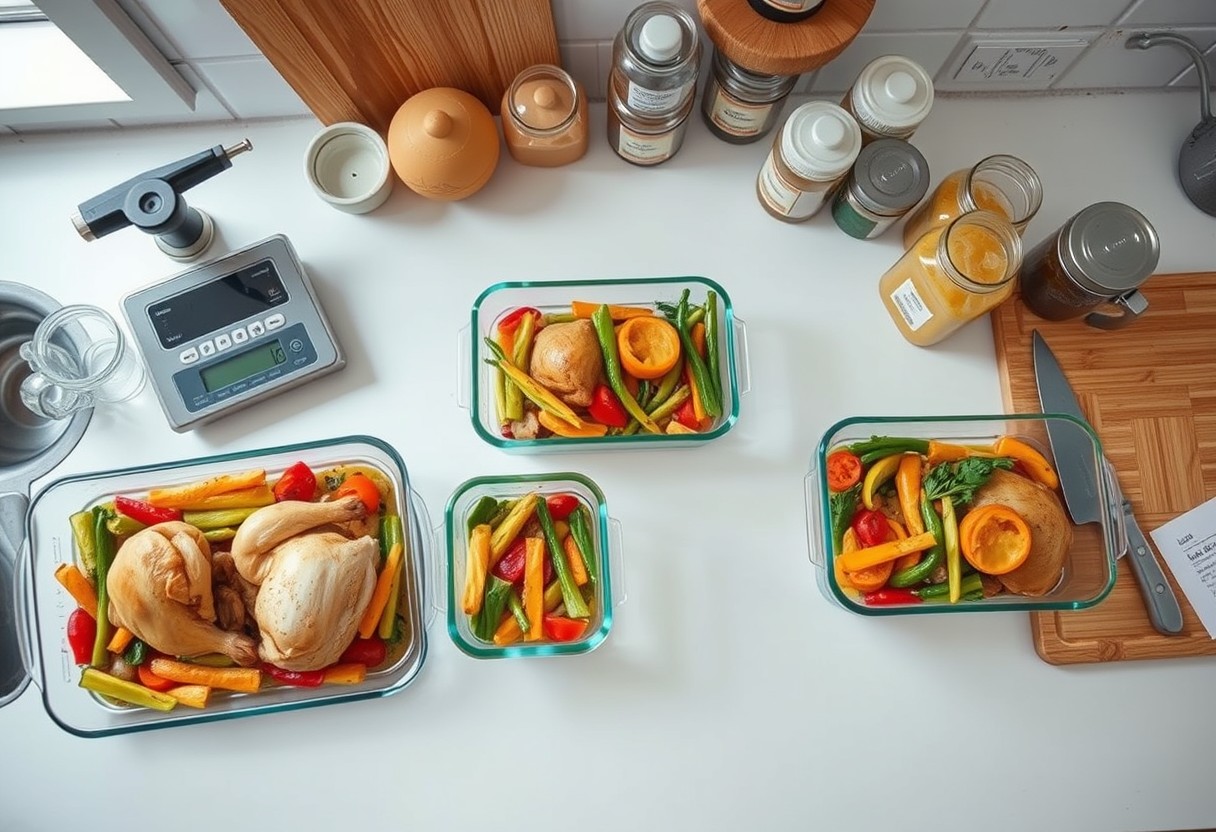
You can save time and reduce stress by prepping meals for two without twice the effort. The key is smart planning, not more labor. One batch of food, split for different meals, prevents burnout. Shared ingredients across dishes cut prep time and waste. With the right system, you’ll enjoy fresh, home-cooked meals-without cooking every night.
Key Takeaways:
- Plan shared meals around flexible base ingredients like grains, proteins, and roasted vegetables that can be mixed and matched into different dishes throughout the week, reducing prep time while keeping meals varied.
- Cook once, eat twice-prepare larger portions of core components such as grilled chicken, quinoa, or sautéed greens to repurpose into two distinct meals with simple add-ons like sauces, spices, or fresh toppings.
- Coordinate preferences and schedules early by discussing likes, dislikes, and availability so both people can benefit from the same prep session without needing separate cooking routines.
Assessing Key Factors for Two-Person Planning
Aligning your meal prep with both partners’ needs starts with understanding what you each bring to the table. Shared dietary preferences streamline ingredient choices, reducing waste and minimizing last-minute cooking. Differences in caloric needs don’t require separate meals-just adjustable portions or simple add-ons. Open communication about food likes, energy demands, and health goals ensures every dish serves both of you effectively. When both people are considered from the start, prep becomes efficient, not exhausting.
Determining caloric and nutritional requirements
Your partner may need more protein after workouts while you prioritize fiber-rich foods for sustained energy. These differences matter, but they don’t demand entirely separate menus. Start by estimating each person’s daily caloric needs based on age, activity level, and goals like maintenance or weight loss. One might require 2,000 calories a day and the other 2,400-this gap is manageable within the same meal framework. Build balanced base dishes and allow for personalized boosts like extra grilled chicken or avocado slices to meet individual targets without doubling effort.
Finding common ground in dietary restrictions
If one of you avoids dairy and the other follows a gluten-free diet, identifying overlapping restrictions simplifies prep significantly. Focus on naturally compliant ingredients like vegetables, lean meats, and gluten-free whole grains that satisfy both sets of rules. A shared restriction, even if partial, reduces cross-contamination risks and eliminates the need for duplicate cookware. When you design meals around what you both can eat-not just what separates you-you create cohesion in flavor and efficiency in execution. This alignment prevents frustration and makes every meal truly inclusive.

How to Design a Scalable Weekly Menu
Building a flexible menu starts with choosing a few versatile “anchor” ingredients that can carry multiple meals without extra prep. Proteins like grilled chicken, roasted chickpeas, or baked tofu transition easily from salads to bowls to wraps with just a change of seasoning or sauce. Using the same grain across several dishes-like quinoa for dinner and breakfast porridge-cuts cooking time and cleanup. When base components work double duty, you gain variety without added effort, making consistency sustainable for two.
Selecting multi-use proteins and grains
Roast a single batch of sweet potatoes and use them in grain bowls, tacos, and salads throughout the week. Beans, lentils, and shredded rotisserie chicken serve as reliable bases that adapt to different cuisines with minimal tweaks. A cup of cooked farro can become a pilaf tonight and a cold salad tomorrow with a simple dressing swap. Choosing ingredients that hold well and taste fresh in varied forms means fewer batches to cook and more meal diversity from less work.
Planning for “modular” meals rather than fixed recipes
You don’t need a new recipe every night-just a fresh combination of familiar parts. Assemble tacos one night using pre-cooked beans, grilled veggies, and salsa, then repurpose the same components into a burrito bowl the next. Modular meals let you shift flavors and textures without starting from scratch. A plate of roasted vegetables can become a frittata, a sandwich filling, or a pasta add-in with minimal adjustments. This flexibility reduces decision fatigue and keeps both of you engaged without extra cooking.
Smart Grocery Shopping Strategies
Planning meals for two means buying just enough to avoid waste while keeping your kitchen stocked and your budget intact. You save money by purchasing only what you’ll use, and you reduce spoilage by aligning quantities with actual consumption. Smart shopping isn’t about buying less-it’s about buying wisely. Overbuying leads to forgotten produce in the crisper and wasted cash, while thoughtful selection keeps your routine efficient and your fridge full.
Navigating bulk sections for duo-sized portions
Bulk bins and warehouse displays tempt you with savings, but large quantities often exceed what two people can realistically use. You can still benefit from bulk pricing by scooping only the amount you need-measure out grains, nuts, or spices for one to two weeks. Buying too much of a dry good doesn’t guarantee savings if it goes stale, so treat bulk sections like a custom market: take advantage without overcommitting. This approach keeps pantry staples fresh and your spending in check.
Using a consolidated list to minimize store time
Your grocery list becomes a tool for precision when feeding two. Group items by category-produce, dairy, frozen-to streamline your path through the store and prevent repeat trips. A well-organized list stops impulse buys and ensures you only bring home what fits your meal plan. Shoppers who use detailed, categorized lists save both time and money, reducing the chance of forgotten ingredients or unnecessary extras that lead to clutter and waste.
Batch Cooking Tips for Shared Efficiency
Use your time wisely by preparing multiple meal components at once. Parallel cooking lets you roast vegetables while simmering grains and searing proteins, all within the same hour. This method slashes active effort and ensures balanced meals are ready faster. Keep equipment within reach-two sheet pans, a large pot, and a skillet make all the difference. Focus on compatible cook times so nothing burns or undercooks. With smart coordination, you’ll finish dinner prep in a single session without constant monitoring.
- Parallel cooking reduces total prep time
- Use multiple burners or oven racks simultaneously
- Match ingredients with similar cooking durations
- Prep ingredients in advance to maximize efficiency
Mastering the “Cook Once, Eat Twice” workflow
Build meals around core ingredients that transform across dishes. Roast a tray of chicken thighs once, then use them in salads, grain bowls, or wraps later in the week. Cook a pot of quinoa early Sunday and repurpose it into stir-fries or side dishes effortlessly. This approach minimizes repeated effort while increasing variety. You’ll save energy without sacrificing flavor or freshness by planning how each cooked element reappears.
Maximizing kitchen appliances for hands-off prep
Your slow cooker, Instant Pot, and oven can work for you while you focus on other tasks. Start grains or beans in the pressure cooker while chopping vegetables for the week. Set the oven to roast a large batch of sweet potatoes at the same time you bake proteins. These appliances allow you to cook multiple components without constant attention, freeing up time and mental space. Let heat do the work-stacking tasks is the key to efficiency.
Managing Portions and Storage
Cooling food properly before storage prevents bacterial growth and preserves quality. Always let cooked meals drop to room temperature within two hours, then refrigerate promptly in shallow containers for faster cooling. Label each container with the dish name and date using masking tape or reusable tags-this simple step ensures clarity and reduces guesswork later. Clear labeling also helps identify older meals quickly, supporting a safe rotation system. Consistent organization means both of you can access what’s ready to eat without confusion or waste.
Choosing the right container sizes for two
Selecting appropriately sized containers keeps portions balanced and minimizes clutter. For most shared dishes, 16- to 24-ounce containers work well-large enough for generous servings but compact enough to stack efficiently. Using uniform shapes simplifies fridge organization and reduces air gaps that lead to uneven cooling. Invest in a set of leak-proof, microwave-safe containers in two or three standard sizes so both of you can store entrees, sides, and snacks neatly. Matching sets also make it easier to swap meals if one person prefers variety.
Implementing a first-in, first-out fridge system
Place newly prepped meals behind older ones to ensure older dishes get used first. This method reduces spoilage and maintains freshness across your weekly rotation. Position high-risk items like cooked proteins at eye level where they’re easily seen and less likely to be forgotten. Use clear bins or trays to group similar meal types, making it simple to track what needs eating soon. A well-organized fridge based on usage order supports consistent eating habits and safer food handling.
Final Words
You can meal prep for two without spending twice the time by focusing on shared ingredients, overlapping flavors, and strategic batch cooking. Design meals that reuse components across different dishes, reducing both shopping effort and cook time. Use a unified grocery list to avoid waste and streamline your trip. When you cook once and eat twice, efficiency multiplies-just store portions properly to maintain freshness. For more guidance, explore Trifecta Nutrition’s 4 Meal Prep Tips For Success to refine your system and stay consistent.
FAQ
Q: How can we meal prep for two people without spending twice as much time?
A: The key is strategic overlap. Focus on recipes that naturally scale, like soups, stir-fries, or sheet-pan roasts, where doubling the ingredients doesn’t double the effort. Cook once, divide into portions, and customize at serving time with different spices or sides. A mid-sized SaaS firm might run on efficiency, but in the kitchen, simplicity wins. Prepare a base protein and two versatile sides that can be mixed and matched across meals.
Q: Should we both follow the same meal plan, or can we prep differently?
A: You don’t need identical plates. Design a shared menu framework where core components-like grilled chicken, quinoa, or roasted vegetables-are prepared in bulk, then split into two versions. One person might add salsa and black beans for a Mexican twist, while the other uses tahini and chickpeas for a Mediterranean flavor. This method cuts prep time while respecting individual tastes.
Q: Is it better to prep full meals or separate components?
A: Prepping components saves time and reduces repetition. Cook grains, proteins, and vegetables separately, then combine them during the week. For example, roast two trays of sweet potatoes and broccoli, grill a batch of chicken breasts, and cook a pot of brown rice. Each person can assemble bowls with slight variations, avoiding the boredom of eating the same dish all week.
Q: How do we avoid wasting food when prepping for two?
A: Start small. Plan for three to four days of meals instead of a full week. Use perishable ingredients early and build in flexibility-save frozen vegetables or canned beans for backup. A couple in Seattle found that rotating three core proteins and two grain options with interchangeable toppings kept meals fresh without overbuying. Store items like sauces and dressings separately to extend shelf life.
Q: Can we save money by meal prepping together?
A: Yes, but only if you plan intentionally. Buying in bulk works when ingredients are used across multiple meals. A single package of ground turkey can become tacos one night and a pasta sauce the next. Shared shopping lists reduce impulse buys. One couple in Austin cut their weekly grocery bill by focusing on overlapping ingredients and repurposing leftovers into new dishes, like turning roasted vegetables into frittatas.