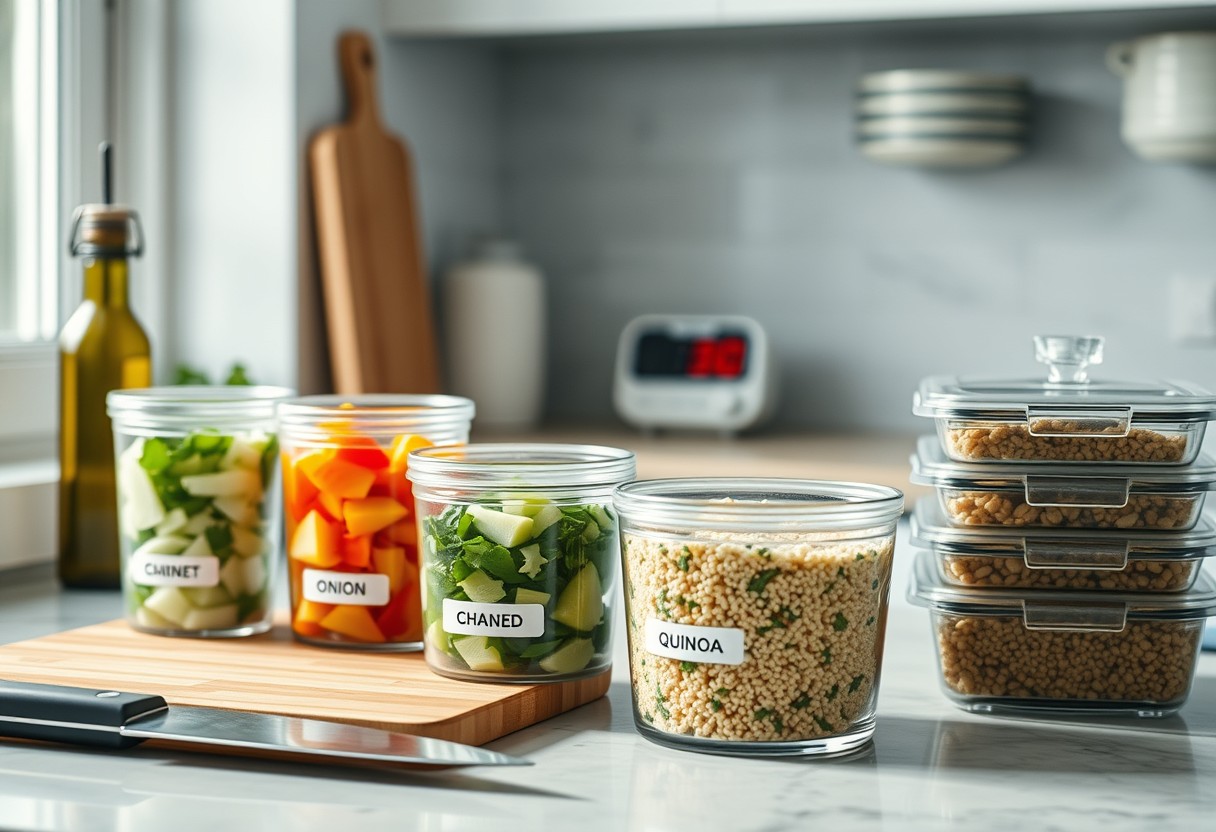
You don’t need hours to eat well. The 30-minute ingredient prep method cuts straight to what matters: wash, chop, and store the core components of your meals so cooking dinner takes minutes. This approach skips full meal assembly, focusing only on prepping raw ingredients, which prevents burnout. For those who find traditional meal prep overwhelming or time-consuming, this strategy delivers maximum flexibility with minimal effort, turning weeknight cooking from a chore into a simple routine.
Key Takeaways:
- Prepping ingredients in one focused 30-minute session reduces the mental load of cooking during the week, making it easier to stick with healthy eating habits even on busy days.
- Using simple tools like sheet pans, sharp knives, and airtight containers streamlines the process, turning chopping and portioning into a quick, repeatable routine.
- Focusing only on core components-like chopping vegetables, cooking proteins, and measuring grains-keeps the effort minimal while maximizing flexibility for different meals later.
The Philosophy of the Mise en Place
Time spent organizing ingredients before cooking isn’t wasted-it’s invested directly into reducing decision fatigue and stress later. You’re not just chopping vegetables or measuring spices; you’re setting up a system where action follows intention without hesitation. This method, borrowed from professional kitchens, shifts your focus from scrambling to assemble to calmly executing. When everything has a place and purpose, even a chaotic weeknight feels manageable. The real power lies in how this small act transforms cooking from a chore into a repeatable, almost automatic rhythm.
Reclaiming Your Sunday
Sundays no longer need to be consumed by hours of forced meal prep marathons. Instead, you can reclaim those hours by dedicating just 30 minutes to strategic ingredient organization. You’ll avoid the burnout of overcommitting while still gaining the benefits of preparedness. By focusing only on what matters-washing, chopping, seasoning, and storing-you create momentum without exhaustion. This approach ensures you start the week with clarity, not clutter, and gives you back time for rest, family, or simply doing nothing at all.
The Components of Freedom
Freedom in the kitchen doesn’t come from skipping preparation-it comes from mastering the right components ahead of time. You gain flexibility when onions are already diced, proteins are pre-portioned, and herbs are ready to scatter. These small acts remove friction during cooking, letting you adapt meals without stress. What seems like minimal effort upfront creates maximum agility later, allowing you to switch plans, accommodate cravings, or feed unexpected guests without panic. Control isn’t rigid-it’s built into the space between preparation and possibility.
The Thirty-Minute Sprint
You set the timer and go-no overthinking, no detours. For thirty minutes, your kitchen becomes a focused zone where chopping, measuring, and organizing happen in one swift motion. This isn’t about cooking full meals; it’s about prepping raw ingredients so dinner later takes ten minutes instead of forty. Stay on task by laying out containers beforehand and working in order: proteins first, then vegetables, then sauces or spices. The real power lies in the constraint-knowing you only have half an hour sharpens your focus and cuts out distractions.
Precision Knife Skills
Speed starts with control, not haste. When you master a few basic knife techniques-like the claw grip and rocking chop-you save time and reduce the risk of slips or uneven pieces. Uniform cuts mean even cooking, so a diced onion won’t turn to mush while waiting for stubborn potato chunks to soften. Practice dicing onions, bell peppers, and carrots until it feels routine. The safest cooks are often the fastest, because confidence replaces fumbling when your knife work is solid.
The Power of the Sheet Pan
Baking everything at once on a single sheet pan eliminates clutter and cuts cleanup time dramatically. Toss cubed vegetables or marinated proteins with oil and seasoning, spread them evenly, and let high heat do the work. Roasting builds flavor through caramelization without requiring constant attention. You can prepare two sides and a protein in under 30 minutes with minimal supervision. The efficiency of batch roasting means you walk away with multiple ready-to-use components for days.
Cold Storage Tactics
Organize your refrigerator with precision, treating it like a command center for freshness. Place prepped ingredients in clear, airtight containers on designated shelves so you can see everything at a glance. Keep proteins on the bottom shelf to prevent cross-contamination, and store herbs upright in a glass of water like flowers. Label each container with masking tape and a marker-your future self will thank you when fatigue sets in. A well-ordered cold zone means less guesswork and fewer last-minute grocery runs.
The Transparency Rule
Use only clear containers for your prepped ingredients-no exceptions. When you can’t see what’s inside, it’s far more likely to be forgotten and eventually wasted. Clear jars and BPA-free plastic eliminate guesswork and reduce decision fatigue during the week. Stack them in logical groupings: all chopped vegetables together, proteins aligned by meal, sauces in front. This visual system turns your fridge into a self-explanatory map, making dinner assembly feel effortless even on your most distracted days.
Shelf Life Realities
Not every ingredient lasts five days, and assuming otherwise leads to spoilage and frustration. Cooked spinach wilts by day three, while roasted carrots hold firm until day six. Onions and garlic degrade faster when cut, so prep them in smaller batches or keep them whole. Hardier items like sweet potatoes or beets can go longer, but delicate greens need a moisture-absorbing paper towel in the container. Know your produce’s limits-respecting shelf life prevents waste and keeps your meals safe and flavorful.
The Final Assembly
Speed becomes your ally when you pull together meals using pre-prepped ingredients. With everything already chopped, measured, and organized, dinner comes together in under ten minutes-no last-minute scrambling or uneven cooking. You simply heat a pan, combine components, and let the flavors meld. This is where the method proves its worth, turning what used to be a stressful chore into a smooth, almost automatic routine that fits seamlessly into even the busiest evenings.
Flavor Profiles on Demand
Building variety into your meals doesn’t require dozens of ingredients or extra time. You keep three or four spice blends or sauce bases ready-like garlic-lemon-herb, miso-ginger, smoky chili, or tahini-cumin-and apply them as needed. Mixing and matching these profiles prevents burnout and keeps meals exciting. When you rotate these flavors weekly, your taste buds stay engaged without adding complexity to your prep process.
The Role of Acid and Fat
Finishing touches make the difference between a flat dish and one that sings. A squeeze of lemon, a splash of vinegar, or a drizzle of olive oil just before serving lifts every ingredient. Acid brightens, while fat carries flavor and creates richness. Keep a lemon and a quality oil on hand at all times-these simple additions transform simple components into something far greater than the sum of their parts.
Kitchen Discipline
Staying consistent with your 30-minute prep hinges on a clean, focused approach each week. You don’t need hours-just commitment to the process. Treat this time like a non-negotiable appointment, free from distractions. Keep your tools within reach and your goals clear: wash, chop, and store with purpose. Following a system like the one outlined in Meal Prep & Batch Cooking Systems: Complete Guide … can reinforce structure. Without discipline, even the simplest plan collapses-but with it, repetition turns effort into habit.
Minimalist Equipment Needs
Success doesn’t require a fully stocked kitchen. You only need a sharp chef’s knife, a cutting board, two mixing bowls, and three airtight containers. These basics handle most prep tasks efficiently. A small colander helps with rinsing vegetables quickly, and a peeler saves time on potatoes or carrots. Overbuying gadgets often leads to clutter and lower follow-through. Stick to what’s essential, keep them clean and ready, and you’ll remove friction from your routine. Simplicity supports consistency more than any high-end tool ever could.
The Weekly Reset
Every Sunday, take five minutes to empty, wipe, and reorganize your fridge and prep zone. This small act resets your environment and mindset. Check for spoiled items, return containers to their spot, and refill frequently used spices or oils. A clean starting point reduces mental resistance on prep day. You’re more likely to follow through when the space invites action instead of dread. Think of it as maintenance that keeps your entire system running smoothly week after week.

To wrap up
You’ve seen how a focused 30-minute session can transform your approach to cooking during the week. By treating prep as a single, time-boxed task instead of an overwhelming chore, you reduce friction and build consistency. You don’t need special tools or hours of free time-just a clear plan and intention. This method fits into real life, works with any diet, and adapts to changing schedules. When you make ingredient prep routine, dinner becomes simpler, faster, and far less stressful.

FAQ
Q: What exactly is the 30-minute “ingredient prep” method?
A: The 30-minute “ingredient prep” method is a streamlined approach to getting meals ready without spending hours in the kitchen. Instead of fully cooking dishes in advance, you chop, measure, and organize raw ingredients into containers during a single half-hour session. This means proteins are portioned, vegetables are sliced, herbs are minced, and spices are grouped by recipe-everything waits in the fridge until it’s time to cook. A busy parent can toss pre-diced onions and bell peppers into a pan instead of starting from scratch after work, cutting actual cooking time to under 15 minutes.
Q: Can I really do this in just 30 minutes if I’ve never tried it before?
A: Yes, the time limit forces focus and eliminates overthinking. Beginners often finish faster once they establish a rhythm. The trick is using timers, working in stages, and sticking to one task at a time-like peeling carrots before moving to garlic. Someone preparing two dinners might spend ten minutes on aromatics, twelve on proteins, and eight on grains or legumes, with no wasted motion. First-timers sometimes worry about speed, but the constraint actually reduces decision fatigue and keeps momentum going.
Q: Do I need special containers or tools for this method?
A: Standard kitchen gear works fine-no specialty equipment required. Clear, reusable containers help you see contents quickly, and small jars or snack bags hold spice mixes neatly. A sharp knife, cutting board, and colander cover most prep tasks. One home cook uses mismatched deli containers from takeout meals and labels them with masking tape. The system succeeds based on organization, not expensive upgrades.
Q: How long can I keep prepped ingredients in the fridge?
A: Most chopped vegetables last three to four days, while marinated proteins should be cooked within two days. Hardier items like carrots, celery, or potatoes hold up better than delicate greens or tomatoes. Storing components in airtight containers with a paper towel absorbs excess moisture and slows spoilage. A teacher following this routine preps on Sunday night and finishes everything by Wednesday, rotating new ingredients midweek.
Q: Isn’t this just another version of traditional meal prep?
A: It’s different because it separates prep from cooking. Traditional meal prep often involves making full meals and reheating them, which can lead to soggy food or burnout. This method keeps textures crisp and flavors fresh by delaying the heat step. A freelance designer uses it to avoid eating lukewarm pasta every evening-instead, she stir-fries pre-cut bok choy and tofu each night, so dinner tastes made-to-order. The goal isn’t perfection; it’s removing friction when hunger hits.