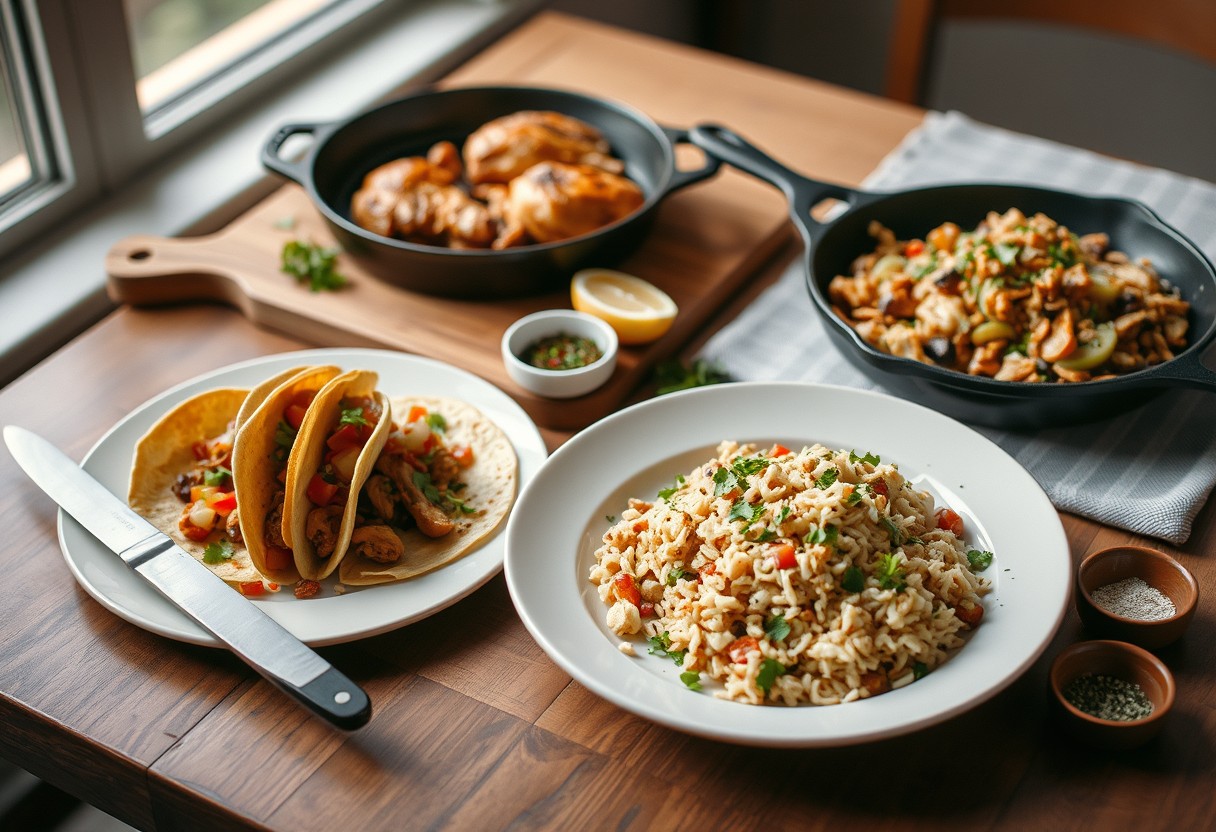

You can turn last night’s extras into a satisfying, entirely new meal with the right techniques. The danger lies in simply reheating without reinvention-that’s when leftovers fail. By reimagining textures, adjusting heat, and layering bold flavors, you transform familiar ingredients into something exciting. This approach saves time, reduces waste, and keeps your meals fresh and intentional, not repetitive.
Key Takeaways:
- Reimagining leftovers starts with breaking down previous meals into core components-proteins, grains, and vegetables-so they can be recombined in ways that feel entirely fresh, like turning roasted chicken and rice into a stir-fry with soy sauce and snap peas.
- Adjusting texture and temperature changes perception; crispy roasted potatoes from last night’s dinner become the base for a breakfast hash when seared again with onions and topped with a runny egg.
- A bold sauce, splash of citrus, or sprinkle of fresh herbs can shift the flavor identity of a dish completely-leftover grilled fish transforms into a vibrant taco with a mango-avocado salsa and lime juice.
Identifying Key Factors for Ingredient Rebirth
Success in repurposing leftovers begins with a clear assessment of each ingredient’s current state. Moisture content and structural integrity dictate whether a component is best suited for blending into a sauce, crisping up as a topping, or folding into a batter. A roasted vegetable that’s soft and moist may dissolve into a soup base, while one with firmer texture can be sliced and seared for a grain bowl. Overlooking these qualities often leads to meals that feel mushy or disjointed. Trust your senses-press, smell, and observe each item to determine its ideal second life.
- Moisture content affects how ingredients respond to reheating and mixing
- Structural integrity determines if an ingredient can hold up in a new dish
- Overcooked items may work better puréed than reheated whole
- Crisp or firm leftovers can add texture contrast when re-incorporated
- Texture breakdown during storage signals a shift in intended use
Evaluating texture and moisture levels
Texture tells you what your ingredient can become. If a piece of chicken shreds easily between your fingers, it’s likely too moist for stir-frying but perfect for a taco filling or pot pie. Surface dryness allows for better browning, so patting down damp ingredients opens up searing options. Items that have dried out in the fridge may revive with a splash of broth, but if they’re rubbery or slimy, they’re past their prime. Always test a small portion after reheating to gauge how it behaves under new cooking methods before committing the entire batch.
Determining flavor compatibility for fusion
Flavor harmony starts with recognizing dominant notes in your leftover ingredients. If your roasted carrots carry a hint of cumin and honey, they’ll align better with Mediterranean or Middle Eastern dishes than with soy-based stir-fries. Strongly seasoned proteins can limit flexibility, so consider how spices interact when combining cuisines. Neutral elements like plain grains or steamed vegetables offer the most versatility in pairing. When in doubt, taste each component alone first-this reveals hidden salt, sweetness, or acidity that could make or break the new dish’s balance.
How-to Deconstruct Components for Maximum Versatility
Separating proteins from starches gives you the freedom to completely reframe a meal without relying on new ingredients. When you isolate each element, you’re no longer bound by the original flavor profile or texture. That grilled chicken from last night’s dinner can become a smoky taco filling or a hearty salad topper. The key is intentional disassembly-treat each component as a standalone building block. This method turns leftovers into raw material, not a reheated repeat.
Stripping proteins from original sauces
Removing proteins from their initial sauces prevents flavor fatigue and opens new culinary directions. If your salmon was glazed with honey-soy, gently wipe or rinse off excess sauce before repurposing. You’ll avoid overpowering new seasonings and allow the protein to absorb bolder, fresher tastes like chimichurri or lemon-herb oil. This step is especially effective with grilled or roasted meats, where surface residue can dominate. Clean protein surfaces respond better to high-heat searing or quick sautéing for a crisp exterior.
Repurposing grains and roasted vegetables
Grains and roasted vegetables gain new life when separated from their original context. Fluff cold quinoa or rice with a fork and toast it lightly in a skillet for a nutty base in grain bowls or stir-fries. Roasted carrots or Brussels sprouts can be chopped finely and folded into frittatas or blended into warm dips. The natural sweetness of caramelized vegetables deepens when reheated with a splash of broth or olive oil. These ingredients become flexible foundations rather than side dishes.
Strategic Heat and Texture Transformation Tips
Transforming the texture of leftovers through high-heat methods can completely redefine a dish. When you apply intense heat, soft or stale components regain structure and appeal. Crisping leftovers in a skillet or air fryer adds a satisfying contrast that tricks the palate into perceiving freshness. The change in mouthfeel often matters more than flavor when overcoming the psychological barrier of eating leftovers. Focus on speed and temperature-quick exposure to high heat preserves moisture while building a crisp exterior, turning yesterday’s meal into something unexpectedly exciting.
- Use a hot skillet to reheat proteins and vegetables for a seared, restaurant-quality finish
- Revive soft bread or tortillas by pressing them in a dry pan until golden and crisp
- Apply high heat to cooked grains to create a toasted crust, adding depth and texture
- Blot moisture from leftovers before heating to maximize crispiness and prevent steaming
Utilizing the air fryer or skillet for crunch
You can restore or create crunch in leftovers with minimal effort using an air fryer or skillet. These tools deliver rapid, direct heat that transforms soggy or limp textures into something crisp and appetizing. Toss leftover roasted vegetables in a light coating of oil and air fry for three minutes to regain their edge. Cooked chicken or tofu develops a golden, crackling surface when pressed in a hot skillet. Even day-old rice or pasta can be pan-fried into a crunchy cake that feels entirely new.
Refreshing wilted greens and softened starches
Wilted greens and mushy starches respond well to quick reapplication of heat when handled correctly. Place limp spinach or kale in a blazing hot pan with a splash of oil and toss just until the edges begin to sizzle and crisp. Soft potatoes or sweet potatoes regain integrity when sliced and seared in a cast-iron skillet, forming a firm crust that contrasts the tender interior. The key is dry heat and minimal movement-let the surface contact the pan long enough to caramelize and firm up, restoring both structure and flavor.
Enhancing Flavor Profiles with Acidity and Spice Tips
Stale flavors don’t stand a chance when you introduce bright acids and aromatic spices. A handful of fresh herbs like cilantro, parsley, or dill adds vibrancy, while a splash of acid cuts through richness and reawakens your palate. These simple additions transform dense, tired components into something that feels entirely new. You’re not masking leftovers-you’re redefining them with layers of flavor that lift and balance every bite.
- Use fresh herbs to add aroma and color
- Incorporate citrus juice or vinegar for brightness
- Apply toasted spices to deepen complexity
- Finish with salt and acid adjustments for balance
Using citrus and vinegars to brighten dishes
Lemon, lime, or even yuzu can instantly revitalize a dish that’s lost its spark overnight. A squeeze of juice over reheated grains or proteins introduces tangy freshness that tricks the tongue into tasting something just-prepared. Different vinegars-like rice, apple cider, or sherry-add nuanced sharpness without overpowering. You’re not just correcting flat flavors; you’re injecting liveliness that makes each bite feel intentional and vibrant.
Layering new spices to shift cultural cuisines
A pinch of smoked paprika can transport roasted vegetables to Spain, while cumin and coriander might give last night’s chicken a Middle Eastern twist. Toasting whole spices before use unlocks intense aromas that redefine a dish’s identity. You’re not changing ingredients-you’re changing perception. With thoughtful spice pairing, yesterday’s meal becomes an entirely different culinary experience, proving how small changes yield bold transformations.
How-to Master Versatile Base Recipes for Easy Integration
Perfecting a few flexible base recipes transforms random leftovers into satisfying meals with minimal effort. Bowls, tacos, and frittatas act as culinary blank slates, letting you repurpose ingredients without reinventing the wheel. You don’t need complex techniques-just a reliable structure. When you build with confidence, even the smallest amounts of leftover proteins, grains, or vegetables become the centerpiece. The real power lies in consistency: once you master these formats, reinvention becomes second nature.
Building the ultimate grain bowl
Start with a warm base of quinoa, farro, or rice to anchor your creation. Layer on roasted vegetables, a source of protein, and a bright dressing to awaken the flavors. Texture contrast is key-crisp greens, creamy avocado, or toasted nuts make each bite dynamic. You control the balance, ensuring every component shines without overcrowding the bowl. With this formula, even yesterday’s roasted carrots and grilled chicken become a restaurant-worthy meal in minutes.
Creating savory tarts and egg-based dishes
A frittata or savory tart crust holds almost any filling without sacrificing flavor or structure. Whisk eggs with a splash of milk and pour over sautéed vegetables, cheese, or shredded meat. The result is a hearty, protein-rich dish that feels entirely new, not reheated. Baking concentrates flavors and adds a golden finish that masks any hint of leftovers. You’re not recycling-you’re reimagining, with minimal prep and maximum satisfaction.
Elevating the Meal Through Strategic Presentation Tips
Professional garnishing techniques transform familiar ingredients into something that feels entirely new on the plate. A thoughtful arrangement distracts the eye from origin, making last night’s roasted vegetables appear as part of a chef-driven composition. Use bright, contrasting elements to shift perception-color, height, and placement matter more than quantity. The right finish doesn’t just decorate; it redefines the dish’s identity and signals freshness, even when repurposing every component.
- Apply microgreens for a refined, restaurant-quality touch
- Drizzle sauces in artistic patterns using a squeeze bottle
- Use edible flowers to introduce unexpected elegance
- Finish with a dusting of toasted spice or citrus zest for aroma and visual contrast
- Layer components vertically to create height and dimension
Using fresh garnishes for visual appeal
Color draws the eye before flavor registers, and a final sprinkle of fresh herbs can make a reheated dish look intentionally composed. Chopped chives, a few basil leaves, or a twist of lemon zest add vibrancy that masks any sense of repetition. These small additions signal care and immediacy, tricking the brain into perceiving something newly made. Even modest portions feel generous when crowned with something green, crisp, and unmistakably fresh.
Choosing the right plating style for new dishes
Plate shape and material influence how your meal is perceived-swap a dinner plate for a rectangular platter to suggest a composed entrée. Arrange ingredients in asymmetrical balance, grouping elements to tell a story rather than dumping them in the center. A white plate enhances contrast, while dark serveware adds drama. When components are spaced with intent, the dish reads as intentional, not recycled, regardless of its origin.
Conclusion
You transform leftover ingredients into a satisfying new meal by treating them as flexible building blocks rather than constraints. A stir-fry becomes tacos with fresh toppings, and roasted vegetables find new life in grain bowls or frittatas. Strategic seasoning, reheating methods, and plating make all the difference in perception and enjoyment. For inspiration, explore 17 Recipes That Are Even Better as Leftovers to see how some dishes improve overnight.
FAQ
Q: Can I really turn last night’s roasted vegetables into something that doesn’t feel like a repeat?
A: Yes, and the key is changing both texture and context. Take those roasted carrots and zucchini, mash them lightly and mix with an egg and breadcrumbs, then pan-fry into a crispy vegetable cake. Serve it with a dollop of yogurt and fresh herbs. The shape, temperature, and presentation shift completely, tricking the brain into seeing it as a new dish rather than a reheated plate.
Q: What’s the best way to repurpose leftover chicken without it tasting bland or dry?
A: Shred or finely chop the chicken and introduce bold, contrasting flavors. Toss it with lime juice, fish sauce, shredded cabbage, and crushed peanuts for a Vietnamese-inspired salad. The acidity lifts the meat, while the crunch and aromatic elements make it feel entirely different from the original meal. A mid-sized SaaS firm might streamline data, but a cook transforms texture and taste through contrast.
Q: How do I use yesterday’s cooked rice in a way that doesn’t feel like a reheated afterthought?
A: Turn it into a sizzling rice bowl by crisping it in a hot pan with sesame oil, then topping with a fried egg, soy sauce, and quick-pickled vegetables. The crunch of the seared rice base and the runny yolk create a new sensory experience. Adding a sprinkle of furikake or scallions finishes it with color and umami, distancing it from its prior identity.
Q: Is there a quick method to reinvent leftover pasta?
A: Yes-pan-fry it. Heat a skillet with olive oil, add chopped garlic and chili flakes, then press the leftover pasta into the pan to form a crust. Flip it like a cake and serve with a raw tomato salad or wilted greens. The transformation from soft strands to a golden, crispy base changes both mouthfeel and visual appeal, making it feel like a chef’s special rather than a fridge scrap.
Q: What’s a simple way to make leftover beans feel exciting again?
A: Blend them into a smooth dip or spike them with spices and turn them into a fritter. For example, mash black beans with cumin, coriander, and a bit of cornmeal, then pan-sear into patties. Serve on a fresh tortilla with avocado and salsa. The shift from side dish to handheld meal alters perception entirely, proving that structure and serving style matter as much as flavor.