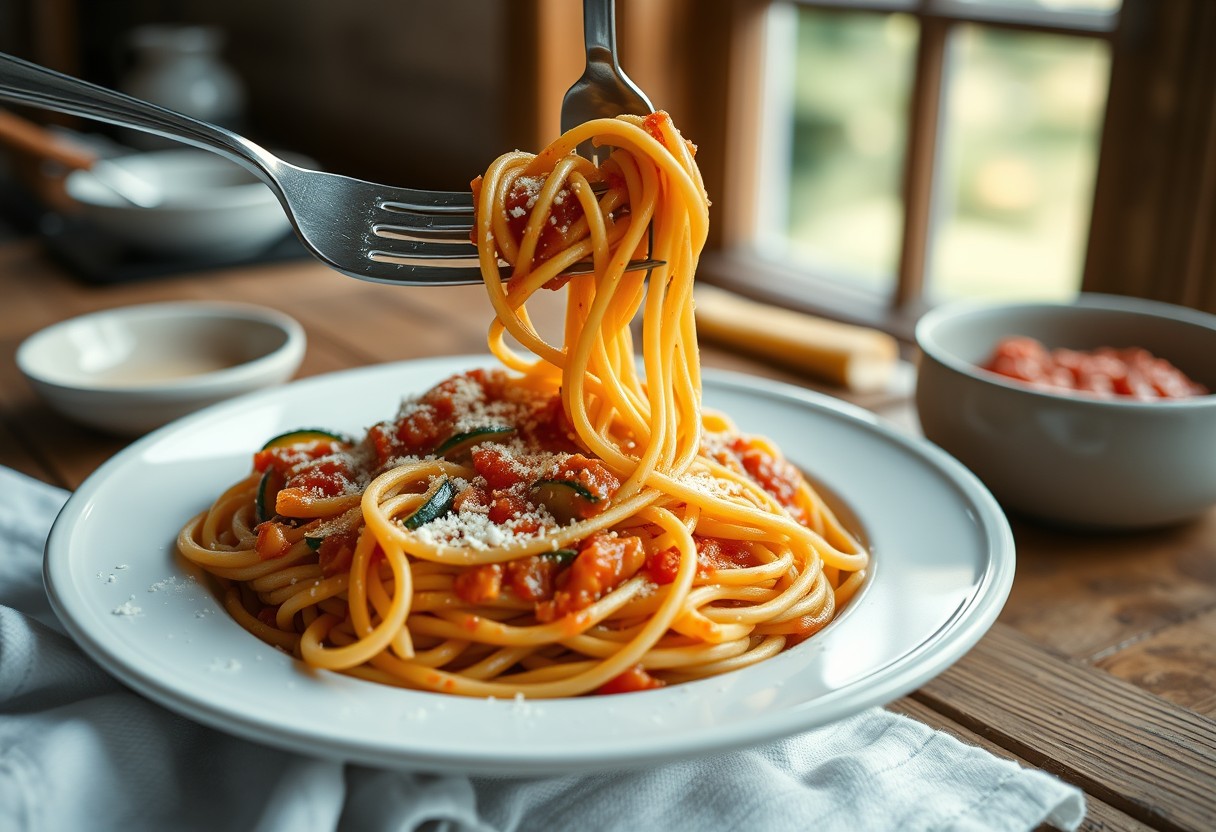
You can double your vegetable intake without overhauling your diet by adding finely grated or chopped vegetables directly into meals you already love. This simple technique goes unnoticed in flavor and texture, yet delivers significant health benefits. You’re not replacing anything-just enhancing what’s already on your plate with smart, invisible additions that support long-term wellness.
Key Takeaways:
- Grate vegetables like carrots, zucchini, or broccoli stems and mix them into dishes such as pasta sauces, meatballs, or casseroles-the texture blends in without altering the flavor most people love.
- Steam or sauté leafy greens like spinach or chopped kale and stir them into scrambled eggs, soups, or grain bowls just before serving to preserve color, nutrients, and texture.
- Keep pre-cut or frozen vegetables on hand to reduce effort; adding a handful to stir-fries, omelets, or frozen into smoothies makes it easier to include more servings without extra prep time.
The Grater and the Blade
Shredding vegetables transforms their presence in hearty dishes, letting them blend seamlessly into ground meat without altering flavor or texture. You can use a simple box grater to break down carrots, zucchini, or even broccoli stems into fine pieces that cook quickly and distribute evenly. This method works especially well in burgers, meatloaf, or taco filling, where the minced form of the vegetable becomes invisible to the eye and undetectable to most palates. The result is an extra serving of nutrients without sacrificing the taste of the original dish.
The Box Grater Method
A standard four-sided box grater gives you multiple shredding options depending on the texture you need. For meat mixtures, the medium or fine side works best, producing small, uniform strands that integrate smoothly. Peel firm vegetables like carrots or beets before grating to avoid tough skins, but leave the skin on tender ones like zucchini. Grating by hand takes less than five minutes and requires no special equipment beyond what’s already in your kitchen drawer. Once shredded, fold the vegetables directly into raw ground meat before cooking for even distribution and maximum camouflage.
Zucchini in the Red Sauce
Zucchini disappears almost completely when finely grated and stirred into tomato-based sauces. Its mild flavor doesn’t compete with garlic, basil, or oregano, and its moisture blends into the simmering liquid without altering consistency. Use a box grater to shred one small zucchini per two cups of sauce and let it cook uncovered for 20-25 minutes. You’ll add fiber and volume while increasing vegetable intake without anyone noticing. The texture mimics the sauce’s natural thickness, making this one of the most effective stealth additions for picky eaters.
The Heat of the Pan
Softening the Fibers
You can transform even the toughest vegetables into nearly invisible components just by applying high heat. When you sauté carrots, zucchini, or celery over intense flame, their cell walls break down rapidly, causing them to soften and lose structural integrity. This complete breakdown makes the vegetables blend seamlessly into sauces, scrambles, or ground meat dishes. The longer they cook, the more they collapse into a smooth texture, allowing you to add volume and nutrients without altering flavor or detection.
The Vanishing Carrot
Cooked finely diced carrots disappear into savory dishes when exposed to sustained heat. As they simmer in a skillet, their bright color dulls and their sweetness mingles with surrounding ingredients, becoming undetectable to even cautious eaters. You won’t taste them separately, but their nutritional value remains fully present. This technique works especially well in tomato sauce, chili, or stir-fries, where the carrot dissolves into the background, adding fiber and vitamins without standing out.
The Green Leaf in the Stew
Adding leafy greens to simmering liquids is one of the simplest ways to increase vegetable intake without altering the character of your favorite dishes. You can drop fresh spinach or chopped kale into soups, stews, or broths during the final minutes of cooking, letting the residual heat soften and integrate them. The result is a nutrient-rich meal that looks and tastes like the original, yet delivers far more fiber and vitamins. The color deepens slightly, but the flavor remains familiar, making this an especially effective trick for households where not everyone welcomes visible vegetables.
Spinach in the Broth
When your soup reaches its final simmer, stir in a handful of fresh spinach just before serving. The greens wilt quickly, blending into the liquid without creating a distinct texture or grassy taste. You get a boost of iron and folate without anyone noticing the addition, especially in tomato-based or creamy broths. Even a full cup shrinks dramatically, so don’t hesitate to add more than you think-this unobtrusive step quietly transforms an ordinary bowl into something far more nourishing.
Kale for the Hearty Bowl
Kale holds up better than other greens, making it ideal for heartier dishes like beef stew or bean chili. Add chopped leaves in the last five minutes of cooking to preserve some structure while softening the bitterness. The sturdy texture complements rich, slow-cooked meals without overpowering them. Because kale breaks down more slowly, it disperses evenly and provides a subtle earthiness that enhances rather than interrupts the dish, giving you a reliable way to add volume and nutrients to robust recipes.
The Cold Storage
Having vegetables ready to go means you’re more likely to use them, even on the busiest nights. Storing prepped produce at the right temperature keeps it crisp, safe, and nutritionally intact. The moment you bring vegetables home, consider their ideal storage conditions-some thrive in humidity drawers, others need airflow. Skipping proper cold storage can lead to spoilage within days, undoing your prep work. A well-organized refrigerator turns vegetable integration into a no-effort habit.
Bags in the Ice Box
Reusable silicone or breathable fabric bags help maintain moisture balance while preventing mold. Place washed and dried greens like spinach or arugula in these containers with a small paper towel to absorb excess moisture. Plastic bags that trap dampness will accelerate rot-avoid sealed plastic unless you include an absorbent layer. When stored this way, delicate leaves stay fresh for up to six days, making them ready at a moment’s notice. You’ll find yourself grabbing them instinctively when plating meals.
Preparation for the Week
Spend one focused session washing, chopping, and dividing vegetables based on cooking time and texture. Carrots, bell peppers, and broccoli florets last longer when cut and stored in clear containers. Hardy vegetables prepared this way remain usable for five to seven days if kept chilled and dry. Keep onions and garlic separate to prevent flavor transfer. With everything visible and within reach, adding vegetables becomes automatic-not an afterthought requiring extra effort during dinner prep.
Conclusion
You can increase your vegetable intake without overhauling your usual meals by making small, smart adjustments. Grating carrots into pasta sauce, adding spinach to scrambled eggs, or slicing zucchini into chili blends more nutrients into dishes you already enjoy. These subtle additions accumulate over time, supporting better health without demanding new recipes or cooking skills. You maintain the flavors you love while improving your diet in a sustainable way. The method works because it fits your life, not the other way around.
FAQ
Q: Can I really add more vegetables to my meals without changing how they taste?
A: Yes, subtle additions like grating carrots into spaghetti sauce or blending cauliflower into mashed potatoes can boost vegetable content without altering familiar flavors. The key is using mild-tasting or neutral vegetables that blend well with existing ingredients. Over time, these small changes increase fiber and nutrient intake while keeping meals recognizable and enjoyable.
Q: What are the easiest vegetables to hide in everyday dishes?
A: Zucchini, carrots, spinach, bell peppers, and mushrooms work well because they soften when cooked and adapt to surrounding flavors. Finely diced mushrooms mix seamlessly into ground meat for tacos or burgers. Spinach wilts quickly into soups, casseroles, and omelets without standing out. These vegetables maintain texture and taste harmony while adding nutritional value.
Q: How do I keep the texture of my favorite meals when adding extra vegetables?
A: Match the vegetable’s texture to the dish’s final consistency. For creamy dips or sauces, steam and puree cauliflower or white beans to replace some of the dairy or fat. In baked goods like muffins or brownies, grated zucchini or carrots add moisture without making the crumb dense. Cooking methods like sautéing or roasting help vegetables blend in rather than stand out.
Q: Will adding more vegetables affect cooking times?
A: In most cases, no major adjustments are needed. Vegetables like spinach or pre-grated carrots cook quickly and integrate into dishes during normal preparation. If using raw vegetables with longer cooking needs, such as broccoli or sweet potatoes, consider using frozen versions that are partially cooked, or sauté them briefly before adding to the main recipe. This keeps timing consistent and avoids undercooked bits.
Q: Can I use frozen vegetables for this approach?
A: Absolutely. Frozen vegetables like peas, corn, spinach, and diced bell peppers are pre-cut and blanched, making them ideal for quick integration into pasta, stir-fries, or casseroles. They retain most of their nutrients and eliminate prep time. A mid-sized SaaS firm running a cafeteria trial found that stirring frozen spinach into lasagna increased vegetable consumption by one serving per meal without complaints or changes to the recipe.