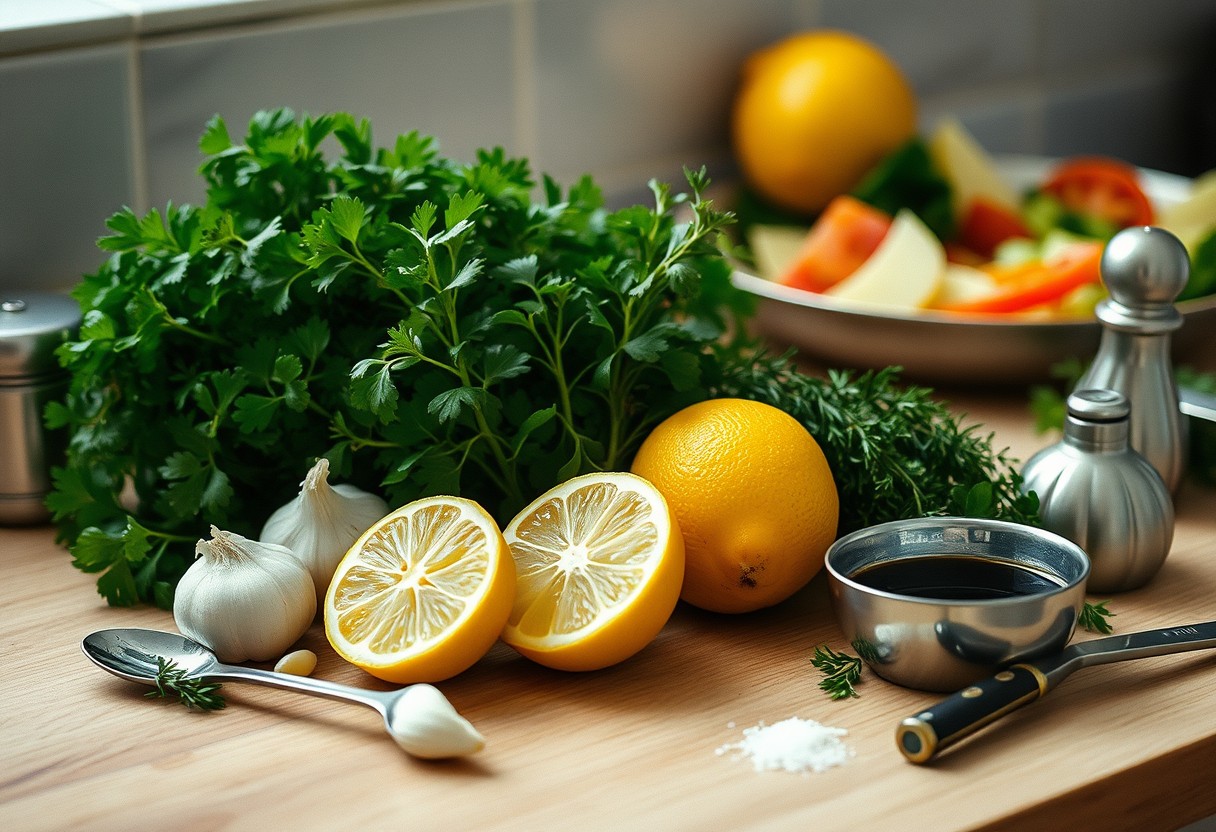
You can reduce salt in your cooking without sacrificing taste. Excess sodium increases the risk of high blood pressure and heart disease, but stripping flavor isn’t the solution. Instead, you’ll learn how to build depth using smart techniques and ingredients. Balancing acidity, boosting umami, and layering herbs transform simple dishes into rich, satisfying meals-all with far less salt.
Key Takeaways:
- Balancing flavors with acids like lemon juice or vinegar enhances taste without salt, making dishes feel vibrant and complete even with less sodium.
- Layering herbs and spices at different cooking stages builds depth, allowing complex aromas to develop and replace the need for heavy salting.
- Umami-rich ingredients such as mushrooms, tomatoes, and soy sauce add savory intensity, satisfying the palate in ways that mimic saltiness.
Identifying the Factors of Flavor Perception
Taste is shaped by more than just salt, and understanding this balance transforms how you season. Salt doesn’t just add saltiness-it amplifies other flavors, suppresses bitterness, and rounds out overall taste profiles. Your palate detects five primary tastes: sweet, sour, bitter, umami, and salty, all interacting to create complex flavor experiences. Salt lowers the threshold for perceiving sweetness and aroma, making foods taste more complete even when used sparingly. By recognizing how these elements work together, you gain control over flavor without relying heavily on sodium.
- flavor perception
- salt enhances aroma
- taste bud response
- balance of tastes
- sodium’s role in flavor
How salt interacts with human taste buds
Salt triggers a direct neurological response through ion channels in your taste buds, sending rapid signals that register as savory satisfaction. This reaction enhances the perception of other flavors, making food taste more cohesive and rich. Sodium amplifies volatile compounds in food, intensifying aroma and depth, which your brain interprets as more flavorful. When you reduce salt, the absence isn’t just about less saltiness-it dulls the entire sensory experience. Knowing this helps you adjust strategically, using salt more precisely where it has the greatest impact.
Recognizing the difference between seasoning and salting
Seasoning builds flavor complexity, while salting only adjusts saltiness. You can add layers with herbs, spices, and aromatics without touching the salt shaker. Proper seasoning engages multiple taste pathways, reducing reliance on sodium to make food satisfying. Many home cooks mistake salting for seasoning, leading to one-dimensional results. When you season thoughtfully, salt becomes a supporting player rather than the main act, allowing natural flavors to shine through with clarity and balance.
How to Brighten Dishes Using Acids
Citrus and vinegars deliver a bright, sharp sensation that activates your taste buds much like salt does. When you add a splash of acid, you create contrast and complexity, tricking the palate into perceiving more flavor even without extra sodium. A well-placed squeeze of lemon or dash of vinegar can transform a flat dish into something lively. The key is timing-adding acids at the end preserves their punch, ensuring the maximum sensory impact without cooking off their volatile notes.
Selecting the right vinegar for different cuisines
You’ll achieve better results by matching the vinegar to the dish’s cultural roots. For example, rice vinegar suits Asian stir-fries and slaws with its mild sweetness, while balsamic enhances Mediterranean meats and roasted vegetables. White wine vinegar works cleanly in French sauces, and apple cider vinegar brings a fruity tang to barbecue rubs or Southern-style beans. Avoid harsh distilled white vinegar unless pickling, as its overpowering bite can dominate delicate flavors. Choosing thoughtfully ensures authenticity and balance.
Using citrus zest and juice for immediate impact
Fresh citrus juice adds instant vibrancy when stirred into finished dishes like soups, grains, or grilled fish. But don’t overlook the zest-those tiny flecks from the outer peel contain concentrated oils bursting with aromatic flavor. A grating of lemon or lime zest just before serving delivers a powerful top note that lifts the entire plate. Always use organic citrus for zesting, since pesticides and wax coat conventional rinds, compromising both safety and taste.
Tips for Layering Fresh and Dried Herbs
Timing your herb additions strategically builds depth that reduces the need for salt. Start with dried herbs early-they need time to rehydrate and release their oils into the dish. Introduce fresh, delicate herbs like cilantro or basil at the end to preserve their bright flavor. Layering woody stems like rosemary with soft leaves like parsley creates contrast. Use whole spices and herbs when slow-cooking, and crushed or ground forms for quicker dishes. This method ensures a complex, satisfying taste without relying on sodium.
- Use dried herbs at the beginning of cooking for deeper flavor
- Add fresh, soft herbs near the end to preserve brightness
- Pair woody herbs like thyme with longer cooking times
- Crush dried spices before adding to unlock full potency
When to add woody versus soft herbs
Woody herbs such as rosemary, thyme, and sage hold up well to long cooking times, making them ideal for soups, stews, and roasts. Add them early so heat can soften their texture and disperse their oils evenly. Soft herbs like dill, cilantro, and mint lose flavor and color when overcooked. Stir them in during the final minutes to maintain their fresh, aromatic quality. Mistiming this can result in a muted or bitter note, undermining your low-salt effort with dullness instead of depth.
Maximizing the potency of dried spices through blooming
Dried spices unlock their full potential when bloomed in oil or liquid at the start of cooking. Heat helps dissolve and distribute their essential oils, creating a richer base flavor. Place spices like cumin, coriander, or paprika in warm oil for 30 to 60 seconds before adding other ingredients. Watch closely-overheating leads to bitterness, a dangerous misstep that can ruin balance. This simple act transforms flat, dusty notes into a vibrant, savory foundation that supports the entire dish.
How to Incorporate Umami-Rich Ingredients
Mushrooms contain natural glutamates that deliver a deep, savory mouthfeel often lost when reducing salt. When you sauté or roast varieties like shiitake, cremini, or porcini, their cell walls break down and release intense umami compounds, enriching sauces, soups, and grain dishes. Even common white mushrooms can enhance flavor when cooked low and slow, allowing moisture to evaporate and concentration to build. You don’t need large quantities-just a small amount can shift the entire taste profile toward satisfying richness.
Using mushrooms and tomatoes for savory depth
Fresh tomatoes and sun-dried variants contribute glutamic acid naturally, making them powerful allies in low-salt cooking. When you cook ripe tomatoes down into a sauce or broth, their sugars caramelize and umami intensifies significantly, creating a rounded base that mimics salt-enhanced flavors. Pairing them with mushrooms amplifies this effect, building layers of savoriness without a single pinch of salt. Even tomato paste, when browned in oil first, adds a concentrated punch that transforms simple dishes into deeply satisfying meals.
Adding fermented products like nutritional yeast or miso
Fermented ingredients such as miso paste and nutritional yeast are packed with naturally occurring glutamates from the breakdown of proteins during fermentation. A small spoonful of white or red miso stirred into soups or dressings adds a rich, savory depth that closely mirrors saltiness, while remaining low in sodium compared to soy sauce. Nutritional yeast, with its nutty, cheese-like flavor, boosts umami in vegan dishes and sprinkles well over roasted vegetables or grains, giving them an unexpectedly satisfying finish rooted entirely in natural fermentation.
Tips for Using Heat and Spices to Distract the Palate
Sharp, pungent spices like cayenne, black pepper, and mustard seed deliver an intense sensation that diverts attention from reduced salt levels. Fresh or dried chiles-such as arbol, guajillo, or fresno-add both heat and depth, making dishes feel bolder without extra sodium. Toasted ground spices release volatile oils that amplify aroma and perceived flavor intensity. When you layer these elements thoughtfully, your taste buds focus on the complex heat rather than the absence of salt. Use them early in cooking to infuse dishes with lasting impact.
- cayenne
- black pepper
- mustard seed
- arbol chiles
- guajillo chiles
- fresno chiles
- toasted ground spices
- pungent spices
Balancing heat levels to avoid overpowering food
Heat should enhance, not dominate, your dish. Start with a small amount of spice-just ¼ teaspoon of crushed red pepper or one minced chile-and taste as you go. The burn from capsaicin can quickly overshadow other flavors, especially when salt is low. Pair spicy ingredients with cooling elements like yogurt or lime juice to create contrast. This balance keeps your palate engaged while preserving the integrity of the dish, ensuring every bite remains flavorful and pleasingly complex without becoming harsh or one-dimensional.
Experimenting with toasted whole spices
Toasting whole spices before grinding unlocks deeper, nuttier notes that salt alone cannot replicate. Warm cumin seeds, coriander seeds, or Szechuan peppercorns in a dry pan until fragrant-their aroma becomes intensely aromatic within seconds. Cool them slightly, then crush or grind to preserve essential oils. These freshly toasted spices add a bold dimension that draws attention away from saltiness. Even a small pinch can transform a stew, grain bowl, or roasted vegetable dish into something far more flavor-forward.
Mastering Techniques That Concentrate Natural Flavors
When you reduce liquids or caramelize vegetables, you’re not just adding color and depth-you’re intensifying the natural sodium already present in ingredients. This transformation turns simple components into rich, satisfying elements that stand out without added salt. The Maillard reaction during browning creates complex compounds that enhance taste perception, making food feel more savory. By relying on heat and time, you unlock a powerful way to build flavor naturally, allowing your dishes to remain bold and satisfying even with less salt.
The role of roasting and searing in flavor development
Roasting and searing expose food to high heat, triggering chemical reactions that develop deep, savory notes. When you sear meat or char vegetables, the surface undergoes caramelization and the Maillard reaction, both of which generate rich, umami-laden flavors. These processes concentrate taste by driving off moisture and transforming natural sugars and proteins. You end up with a robust base that needs little enhancement, letting the inherent savoriness of ingredients shine through without relying on salt.
Using reductions and glazes to pack a punch
Simmering liquids down into reductions concentrates every element, including the subtle salts already in broth, wine, or vegetable juices. As water evaporates, the remaining liquid becomes a potent flavor booster, delivering intense taste in just a spoonful. When you use these reductions as glazes or finishing sauces, they adhere to food and deliver a powerful savory impact. This method lets you amplify taste naturally, ensuring each bite feels full-bodied and deeply seasoned-even with minimal added sodium.
Summing up
You can reduce salt in your cooking without sacrificing flavor by focusing on balance and depth. Use acids like lemon juice or vinegar to enliven dishes, layer herbs and spices for complexity, and rely on umami-rich ingredients such as mushrooms or tomatoes to build savoriness. Proper cooking techniques-like roasting or searing-concentrate natural flavors, making food more satisfying. When you adjust seasoning gradually and engage all elements of taste, your meals stay vibrant and full-bodied, even with less salt.
FAQ
Q: Why does food taste bland when I reduce salt, even if I add other seasonings?
A: Salt doesn’t just add salty flavor-it enhances and balances other tastes like sweet, sour, and bitter. When you remove it suddenly, the dish can feel flat because your taste buds are accustomed to that boost. The key is replacing salt’s role gradually by layering flavors. Try building depth with ingredients like roasted garlic, caramelized onions, or a splash of citrus juice. A dish seasoned all at once will never match one where flavors are developed in stages-start with aromatics, add herbs early, then finish with brightness.
Q: Can spices really make up for less salt, or do they just add heat?
A: Spices do far more than bring heat-they contribute complexity, aroma, and subtle sweetness or bitterness that engage multiple taste receptors. Smoked paprika adds depth similar to bacon, ground cumin brings earthiness, and cinnamon can warm a savory stew without tasting sweet. Toasting whole spices before grinding releases essential oils that intensify flavor naturally. A curry made with toasted coriander, turmeric, and black pepper often needs little salt because the spice blend creates its own full-bodied taste.
Q: How do acids like lemon juice or vinegar help when cooking with less salt?
A: Acids sharpen the perception of flavor, making food taste more alive without salt. A drizzle of apple cider vinegar in a bean soup or a squeeze of lime over grilled vegetables triggers the sour receptors on your tongue, which can mimic the mouthwatering effect of saltiness. Add acid at the end of cooking to preserve its punch-simmering dulls its brightness. Try aged balsamic on roasted carrots or rice wine vinegar in a slaw for a clean, tangy lift.
Q: What are some umami-rich ingredients that don’t rely on salt?
A: Umami gives food a satisfying savoriness that reduces the need for salt. Mushrooms, especially shiitake, contain natural glutamates. Roast them until deeply browned to concentrate their flavor. Tomato paste, when cooked in oil until it darkens and smells rich, adds deep umami to sauces. Nutritional yeast, miso (used sparingly), and sun-dried tomatoes also deliver savory notes. A spoonful of rehydrated dried porcini mushrooms blended into a gravy can transform a simple broth into something deeply flavorful.
Q: Is there a technique that makes vegetables taste more flavorful without salt?
A: High-heat cooking methods like roasting, grilling, or searing create browning through the Maillard reaction, which develops complex, nutty flavors. Toss vegetables in a small amount of oil and spread them in a single layer on a hot baking sheet-crowding steams them instead of browning. Broccoli roasted at 425°F until charred at the edges tastes rich and slightly sweet. Finish with a sprinkle of fresh parsley and lemon zest for an aromatic finish that keeps salt unnecessary.