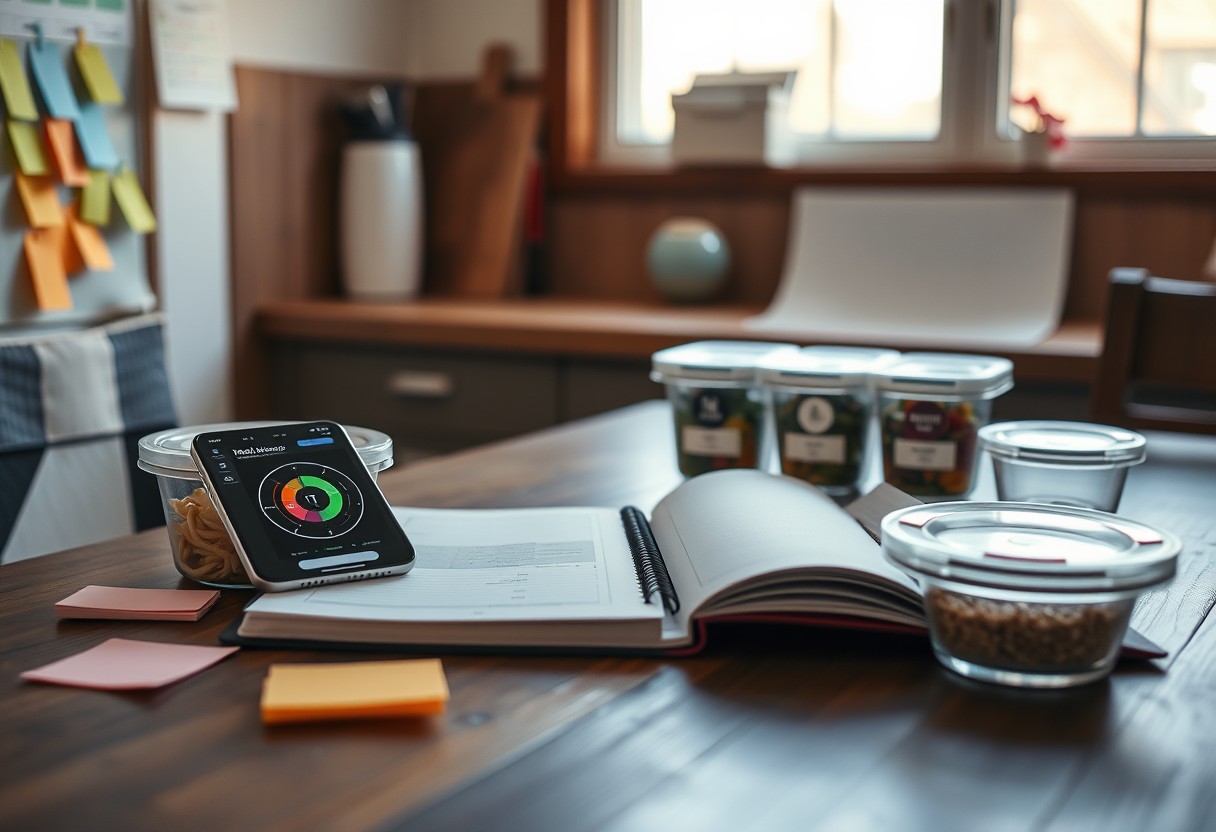
You’re not lazy or disorganized-your cravings are just unpredictable. Forcing rigid meal plans often leads to wasted food and frustration. Instead, build flexibility into your routine by focusing on adaptable ingredients and flavor profiles. A modular system beats strict menus, giving you control without sacrificing spontaneity. You’ll eat better, stress less, and actually enjoy dinner again.
Key Takeaways:
- A flexible meal framework beats rigid weekly plans when cravings are unpredictable-build meals around modular components like grains, proteins, and sauces that can be mixed and matched based on mood.
- Stocking a kitchen with versatile flavor bases-such as pesto, soy-ginger marinade, or roasted red pepper hummus-enables quick flavor shifts without requiring new ingredients or recipes.
- Planning for spontaneity means shopping with adaptability in mind-purchase ingredients that can cross multiple cuisines, like chickpeas that work in salads, curries, or wraps, reducing decision fatigue when hunger strikes.
The Tyranny of the Pre-Planned Plate
Staring at a weekly menu set in stone by Sunday afternoon feels less like planning and more like signing a binding contract with your future self-one you’ll inevitably want to break. You’re not lazy or undisciplined for dreading Wednesday’s assigned chicken dish while craving something bold and spicy; you’re human. Rigid meal plans ignore the natural shifts in appetite, mood, and energy that shape real eating habits. When hunger doesn’t align with the calendar, compliance becomes a chore, not a choice.
The Misery of Tuesday Night Leftovers
You packed last night’s dinner with good intentions, but now it sits untouched in the fridge, condemned by indifference. The problem isn’t the food-it’s the expectation that you’d want it again. Reheating leftovers on a schedule turns nourishment into obligation, stripping away pleasure until eating feels like clockwork punishment. By day three, even delicious meals lose their appeal when served without flexibility or desire.
Why Rigid Schedules Kill the Appetite
Your body doesn’t run on spreadsheets, yet meal plans often demand robotic consistency. Forcing yourself to eat specific dishes on fixed nights ignores hunger cues and seasonal cravings. This disconnection between timing and true appetite leads to resentment, skipped meals, and wasted food. When the joy of eating is replaced by duty, you’re not cultivating discipline-you’re starving spontaneity, one predictable plate at a time.
The Architecture of the Modular Kitchen
Designing your kitchen around flexibility means shifting focus from complete dishes to adaptable foundations that survive changes in appetite. You’re not cooking for a fixed outcome but building a system where raw desire-not rigid menus-guides the final plate. A pot of rice, a tray of roasted vegetables, or a batch of simmered beans gains meaning only when paired with what you actually want in the moment. This approach prevents waste and eliminates decision fatigue when hunger strikes.
Building Blocks Over Finished Meals
Stocking pre-made components like chopped greens, cooked legumes, or parboiled root vegetables puts you minutes away from satisfaction, no matter how unpredictable your cravings become. Each element is intentionally plain, designed to absorb new flavors without fighting previous seasoning. When you prepare these blocks ahead, you maintain full control over the final dish, letting instinct guide whether tonight calls for heat, acidity, richness, or freshness.
Proteins and Grains Without Borders
Cooking proteins and grains in a neutral way ensures they can pivot across cuisines at a moment’s notice. A batch of steamed chicken breast, firm tofu, or boiled lentils carries no inherent identity until you decide its role. Paired with the right sauce or spice, each becomes something entirely different-no re-cooking, no waste, just maximum versatility from minimal effort. This is efficiency rooted in freedom, not restriction.
The Five-Minute Flavor Ambush
When hunger strikes and motivation doesn’t, your ability to transform a plain grain bowl or roasted vegetable medley hinges on one sharp move: the flavor ambush. A drizzle of harissa, a squeeze of lime, or a spoonful of fermented black bean paste can override blandness in seconds. You don’t need elaborate cooking-just decisive seasoning. Keep bold, concentrated flavors within arm’s reach, because hesitation is the enemy of appetite. In under five minutes, a lifeless meal becomes something electric and satisfying, no second-guessing required.
High-Impact Pantry Essentials
Soy sauce, gochujang, fish sauce, smoked paprika, and preserved lemons belong in your kitchen not as accents but as frontline players. These ingredients deliver maximum depth with minimal effort, turning steamed rice or grilled chicken into something far more compelling. A half-teaspoon of miso stirred into warm oil creates an instant sauce that clings and enriches. When you’re drained and indecisive, these staples act as flavor insurance-small jars with massive payoff. Stock them boldly; use them without restraint.
The Alchemy of Acid and Heat
Acid wakes up flat dishes, while heat adds urgency and dimension-used together, they create a reaction no craving can ignore. A splash of rice vinegar cuts through richness, making fatty meats or creamy beans feel lighter and more dynamic. Crushed red pepper or fresh bird’s chili injects instant intensity that reshapes your perception of the entire plate. Even a simple dish like sautéed spinach becomes urgent and vivid with this duo. You don’t need time when you have vinegar and spice working in tandem.
The Mercenary’s Guide to the Grocery Aisle
Stocking your kitchen for uncertainty means shifting focus from fixed meals to flexible ingredients that adapt at a moment’s notice. You don’t need a recipe to justify buying brown rice-you buy it because it can become a base for stir-fries, grain bowls, or even a quick fried side with garlic and soy sauce. Think in terms of function: what can this item do across multiple contexts? Canned beans, eggs, frozen greens, and fermented pastes are not tied to one dish but serve as culinary wildcards, ready to pivot based on your mood, time, or appetite.
The Multi-Purpose Ingredient Checklist
Build your cart around components that survive context shifts without losing effectiveness. Eggs transform into breakfast scrambles, dinner frittatas, or salad toppers with zero extra effort. Soy sauce enhances a bowl of noodles just as well as it seasons roasted vegetables. Canned tomatoes can become soup, pasta sauce, or chili depending on what else is in your pantry. These are the workhorse ingredients-low risk, high reward-that keep your options open when cravings change without warning.
Avoiding the Single-Recipe Trap
Buying specialty items just because a viral recipe calls for them leads to clutter, waste, and frustration. That tub of gochujang you used once won’t pull double duty if you never learned how to integrate it beyond that one bowl. Instead, ask yourself: will I use this again in the next two weeks, regardless of what I’m cooking? If the answer isn’t an immediate yes, skip it. One-time-use ingredients drain both budget and space while giving the illusion of preparedness. Stick to what earns its shelf life through repeated performance.
Culinary Improv and the Death of the Recipe
You don’t need a recipe to know when a dish is ready-you need attention. Following rigid instructions can dull your intuition, making you dependent on measurements instead of your senses. When you abandon recipes, you reclaim the ability to adapt, correct, and invent mid-cook. The real skill lies not in replication but in listening to the food as it changes. This trust in your own judgment transforms cooking from performance into conversation.
Cooking by Scent and Sound
Garlic crackles and sizzles before it turns golden-miss that sound and bitterness follows. The moment onions soften and deepen in aroma, you know they’re ready for spices. Your nose detects when herbs bloom in oil, releasing their essence within seconds. These signals are faster and more accurate than any timer. Trusting scent and sound keeps you present, turning passive watching into active participation. Burnt edges or raw flavors become rare because you’re tuned in, not just following steps.
The Freedom of the Fridge Forage
Leftover rice, half a bell pepper, a wilting bunch of kale-these aren’t failures, they’re invitations. Opening your fridge with curiosity instead of criticism sparks unexpected combinations that taste intentional, not improvised. You begin seeing ingredients as flexible players, not fixed roles. This mindset eliminates waste and decision fatigue at once. A stir-fry becomes a grain bowl becomes soup, all depending on what’s calling out to be used first.
Final Words
You do not need to predict your cravings to eat well. By building a flexible system instead of a rigid meal plan, you give yourself permission to respond to your appetite without sacrificing nutrition or variety. Stocking core components, embracing flavor swaps, and designing meals in layers lets you adapt quickly and cook with confidence. When the menu is fluid, you spend less time deciding and more time enjoying what you make. This approach fits real life, where moods and hunger shift-and that is exactly its strength.
FAQ
Q: How can I plan meals without knowing what I’ll feel like eating later in the week?
A: Build a flexible foundation instead of fixed menus. Stock core ingredients like grains, proteins, and vegetables that can shift roles based on your mood. A batch of grilled chicken can become taco filling, salad topper, or curry base depending on sauces and spices added at the last minute. This method removes the pressure to commit early while keeping healthy options within reach.
Q: What are flavor bases, and how do they help with spontaneous meal planning?
A: Flavor bases are small, prepared components-like chili oil, herb pastes, citrus marinades, or fermented sauces-that transform simple dishes in minutes. Keep a rotating set in the fridge. When you’re unsure what you’ll crave, pair a base with a neutral protein or grain. A spoonful of gochujang butter turns roasted sweet potatoes into a Korean-inspired bowl; lemon-caper gremolata can make grilled fish feel Mediterranean or Middle Eastern.
Q: Isn’t this approach more expensive than strict meal prepping?
A: Not necessarily. You buy many of the same staples-rice, beans, frozen vegetables, eggs-but use them in varied ways. Instead of purchasing specialty items for seven different recipes, invest in a few high-impact condiments and spices that stretch across meals. A mid-sized SaaS firm’s employee might use the same quinoa for a Buddha bowl on Tuesday and a stir-fry on Thursday, cutting waste and grocery trips.
Q: Can I still use recipes with this system, or do I need to cook completely freeform?
A: Recipes become tools, not rules. Follow one closely if you’re in the mood, or use only parts-like a dressing or spice blend-from several recipes to remix into something new. Save favorite techniques, not full dishes. Searing, roasting, pickling, and sautéing are reusable skills that adapt to whatever you’re craving, even if the original recipe called for different ingredients.
Q: How do I avoid ending up with random leftovers that never get eaten?
A: Design meals with overlap in mind. Cook proteins and grains in quantities that naturally lend themselves to second uses. Leftover roasted vegetables can become frittata filling, soup starter, or sandwich topping. Label containers with “Use in 2 days” and place them at the front of the fridge. A weekly 10-minute scan lets you adjust plans based on what’s nearing expiration, not just desire.