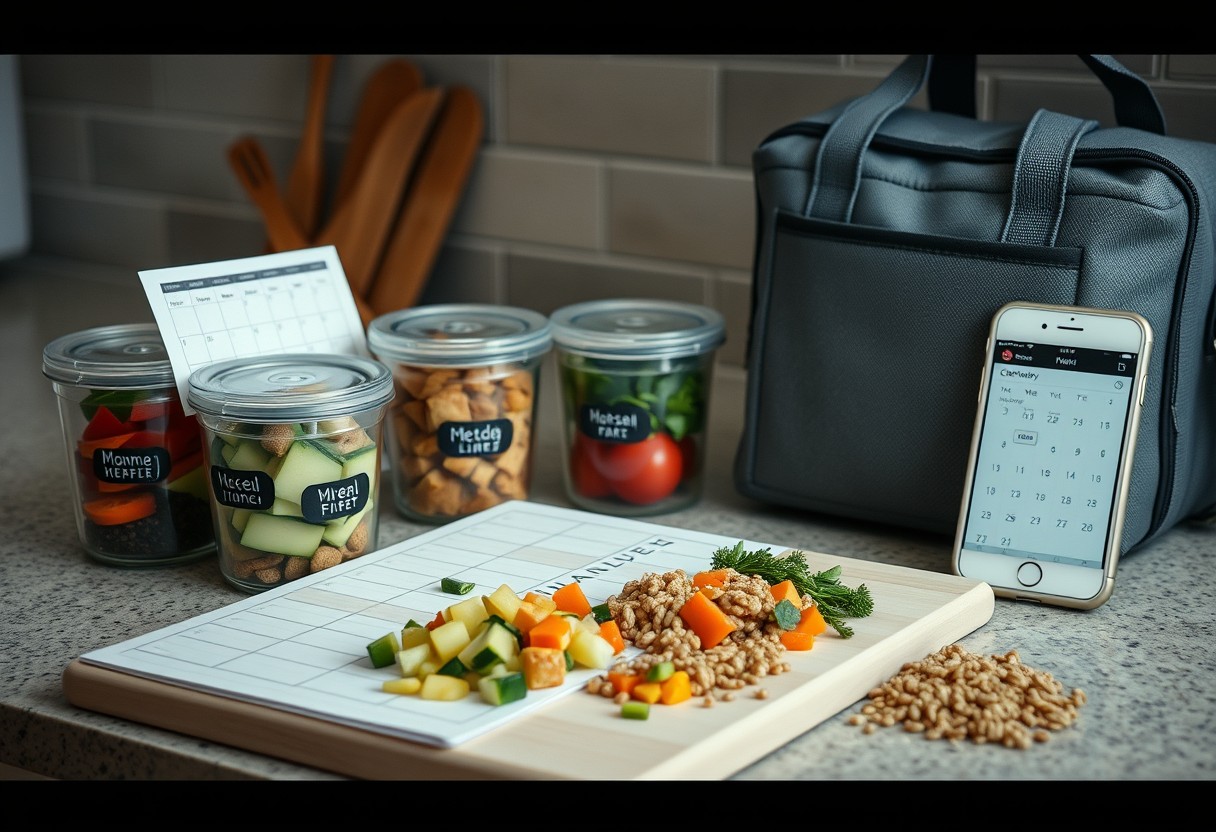
You face unpredictable shifts, last-minute plans, and energy dips that derail most meal prep strategies. Sticking to a rigid system will fail-but abandoning prep entirely leads to stress and unhealthy choices. The solution isn’t perfection, it’s flexibility backed by structure. You can stay on track without knowing your week in advance.
Key Takeaways:
- A flexible meal prep strategy starts with preparing modular components like grains, proteins, and roasted vegetables that can be quickly recombined into different meals, allowing for easy adaptation when daily plans shift.
- Building a “kitchen inventory” of prepped ingredients lets you pivot without waste-think of it like cooking with building blocks, where a stir-fry one day can become tacos the next based on what’s available and how much time you have.
- Success hinges on maintaining a stocked pantry and freezer with backup items such as canned beans, frozen greens, and quick-cooking noodles, so unexpected changes don’t lead to takeout defaults.
Identifying Key Lifestyle Factors
Understanding your daily rhythm is the foundation of sustainable meal prep when your schedule shifts unpredictably. You need to assess when you typically have the most mental clarity and physical energy, as well as when time disappears most quickly. Trying to prep during low-energy windows leads to burnout and inconsistency. Instead, align food-related tasks with moments when you’re naturally more focused and available. Realistic expectations come from honest observation, not idealized routines.
- Your energy peaks may occur in the morning, afternoon, or evening-track them honestly
- Identify recurring time gaps, even if they’re short or irregular
- Recognize when fatigue makes complex tasks unrealistic
- Be aware of external demands like childcare, commuting, or back-to-back meetings
Mapping out high-variability time blocks
Some days, you might have two free hours; others, only twenty minutes between meetings. Start by tracking your week like a time audit, noting when your schedule becomes unpredictable. These high-variability blocks often happen midday or in the early evening, when interruptions are most frequent. Plan no intricate tasks during these windows. Instead, expect disruption and design flexibility into those times. A realistic strategy embraces chaos rather than fights it.
Determining your minimum nutritional requirements
Your body needs consistent fuel, even when your day doesn’t follow a pattern. Identify the baseline nutrients you require-such as protein, fiber, and healthy fats-based on your activity level and health goals. Skipping these leads to energy crashes and poor food choices later. You don’t need perfection, but you do need a non-negotiable foundation that supports focus and stamina. Meeting these needs consistently prevents overeating or dependency on convenience foods.
Factoring in kitchen access and storage availability
Where you can store and prepare food directly affects what you can realistically cook ahead. If you only have access to a microwave and mini-fridge at work, large meal containers or raw ingredients won’t help. Limited kitchen access demands simpler, adaptable prep strategies. Consider whether you can reheat, chop, or cool items during the day. Your environment sets hard limits-design around them, not against them, to avoid wasted effort and spoiled food.
How to Build a Flexible Component-Based Inventory
Building a flexible meal prep system starts with creating a base of interchangeable ingredients that work across multiple dishes. Instead of planning full meals in advance, you stock prepped components like grains, proteins, and vegetables that can mix and match depending on your day’s needs. This method lets you adapt quickly when plans shift, turning dinner from a stir-fry into a grain bowl or taco filling with minimal effort. The real power lies in versatility-each ingredient stands ready to become part of something new, reducing waste and decision fatigue when time is tight.
Batch cooking universal proteins and grains
Cooking proteins and grains in bulk saves time and expands your options during unpredictable weeks. Choose neutral-flavored, sturdy bases like grilled chicken breast, baked tofu, lentils, quinoa, or brown rice that hold up well for days. These items can transition seamlessly from lunch to dinner or from one cuisine to another without clashing. When stored properly, they remain safe and textured for up to five days, giving you maximum usability with minimal daily effort. Portion them for easy grab-and-go access to speed up assembly later.
Pre-washing and chopping multi-use vegetables
Washing and cutting vegetables ahead of time removes one of the biggest barriers to fast, healthy eating. Focus on hardy varieties like bell peppers, carrots, broccoli, zucchini, and cabbage that retain crispness after refrigeration. Keep them in clear, labeled containers so you can see what’s available at a glance. This simple step prevents last-minute prep burnout and ensures you’re more likely to use them. The time saved during busy evenings is worth the upfront investment, especially when surprise schedule changes arise.
Creating a library of “mother sauces” for flavor variety
A small collection of foundational sauces transforms repetitive ingredients into distinct meals with little effort. Prepare versatile bases like tahini dressing, tomato marinara, peanut-lime sauce, chimichurri, or soy-ginger glaze in mason jars weekly. Each can redefine the same roasted chicken and grains into entirely different flavor profiles across cuisines. These sauces stay fresh for up to seven days and deliver a flavor boost that makes meals feel intentional and satisfying, even when thrown together in minutes.
Practical Tips for the Batch and Pivot Method
Mastering the batch and pivot method means preparing core ingredients in advance so you can quickly assemble varied meals, even with last-minute schedule shifts. Cook versatile base components like grilled chicken, roasted vegetables, quinoa, or black beans in batches, then store them separately. When dinner time arrives, combine them in new ways-tacos one night, grain bowls the next. Keep bold flavor boosters on hand like pesto, salsa, or curry paste to transform dishes instantly. This system thrives on flexibility, letting you adapt without extra cooking time or waste.
- Prepare neutral base proteins like chicken, tofu, or beans for easy flavor pairing
- Store components in clear, labeled containers for quick identification
- Use modular sauces and spices to shift cuisines without extra prep
- Pre-cut vegetables for sautéing, roasting, or raw use in salads or wraps
- Designate one shelf in your fridge for batch-prepped items to stay organized
Transforming base ingredients into different cuisines
Start with your pre-cooked grains and proteins, then shift the entire character of the meal using global flavors. Turn roasted chicken and rice into a Thai-inspired bowl with peanut sauce and shredded carrots, or into a Mediterranean plate with olives, feta, and tzatziki. The same base ingredients become something new with just a few additions. This approach prevents meal fatigue and keeps your eating exciting, even when time is tight. A simple switch in seasoning can make a familiar dish feel like a restaurant special.
Using “buffer meals” for unexpected late nights
Life sometimes stretches longer than expected, and dinner plans fall apart. That’s where buffer meals come in-fully assembled, grab-and-go options tucked in your fridge or freezer. Think hearty soups, casseroles, or burritos you can reheat in minutes. These meals act as insurance when your schedule derails, preventing reliance on takeout or empty-calorie snacks. Having even two of these on hand each week reduces stress and supports your goals, no matter how chaotic the evening becomes.
Strategies for scaling portions up or down instantly
You don’t always eat for one, and some days demand more fuel than others. Design your batch components so you can easily adjust serving sizes without waste. Cook grains and proteins in quantities that divide cleanly-like 4 or 6 portions-so adding or removing servings is simple. Pair larger portions with extra vegetables or healthy fats to increase satiety without starting over. This portion adaptability ensures your prep supports changing energy needs, whether you’re feeding a guest or scaling back after a lighter day.
Factors for Selecting Time-Saving Kitchen Technology
Smart kitchen appliances can transform your meal prep by handling cooking tasks while you’re occupied elsewhere. Prioritize devices that offer programmable settings and remote control via smartphone apps, so you can start or adjust cooking from work or during errands. A reliable slow cooker or multi-function pressure cooker allows you to set meals in motion early and return to a ready dish. Look for models with safety locks, delayed start options, and keep-warm functions to prevent overcooking. Energy efficiency and ease of cleaning also matter-nonstick, dishwasher-safe inserts save time and reduce cleanup stress. Choose appliances with consistent performance to avoid last-minute failures.
Maximizing slow cooker and pressure cooker efficiency
Your slow cooker excels at transforming raw ingredients into tender meals with minimal oversight. Program it to begin cooking during your commute so dinner finishes just as you walk in. For faster results, use your pressure cooker to cut cooking times by up to 70% while retaining flavor and texture. Add frozen proteins safely if needed-many models handle them without issue. Use pre-chopped vegetables and pre-measured spices to streamline prep. The high-pressure setting brings stews, beans, and grains to perfection in under an hour, making it ideal for unpredictable days.
Utilizing air fryers for rapid-response meals
An air fryer delivers hot, crispy meals in minutes when your schedule shifts unexpectedly. It reheats leftovers better than a microwave, restoring texture without drying out food. You can roast vegetables, cook proteins, or even bake small portions with little to no oil. Preheat it while unpacking your bag to save time. Its compact size means it heats up quickly, and most models have digital timers and presets for consistent results. With an air fryer, you’re never more than 15 minutes from a satisfying, home-cooked plate-even on the most chaotic evenings.
Investing in vacuum sealing for extended freshness
Vacuum sealers preserve meal components far longer than containers or plastic wrap. By removing air, they slow spoilage and prevent freezer burn in prepped proteins, grains, and chopped produce. Seal individual portions of marinated chicken, cooked lentils, or sliced root vegetables for grab-and-go cooking. This means you can batch-prep ingredients weekly without waste. The airtight barrier also protects flavors and textures, so meals taste fresh even after days in the fridge or months in the freezer. For maximum benefit, pair your sealer with reusable, BPA-free bags.
How to Execute On-the-Go Meal Adjustments
When your prep window vanishes, you don’t need a perfect plan-just smart reflexes. The ability to adapt quickly means relying on strategies that keep nutrition intact without requiring extra time. You might skip cooking entirely some days, and that’s okay. What matters is having fallbacks that align with your goals instead of derailing them. Healthy eating survives chaos when flexibility is built into the system, not left to chance. With a few reliable tactics, you can stay on track even when nothing else goes according to schedule.
Utilizing healthy “store-bought assists” for emergencies
Pre-washed greens, canned beans, rotisserie chicken, and microwaveable quinoa are lifesavers when time collapses. These items let you assemble balanced meals in minutes without sacrificing nutrition. Choose options with minimal added sugars and sodium to maintain control over what you’re consuming. A bag of frozen stir-fry vegetables tossed into a container with canned lentils and a sauce packet becomes a satisfying lunch. You’re not cheating-you’re using smart shortcuts that preserve your effort and energy for when you can cook again.
Mastering the 10-minute assembly technique
Time pressure demands simplicity, not compromise. Start with a base like whole grain wraps, Greek yogurt, or leafy greens, then layer in proteins and vegetables already prepped or purchased. A hard-boiled egg, avocado slices, and cherry tomatoes fit into a wrap in under five minutes. Add a drizzle of olive oil and lemon juice for flavor without extra work. The fastest meals succeed because they rely on ready components-not last-minute decisions. Practice this rhythm until it feels automatic, even on the most disrupted days.
Repurposing leftovers into portable options
Last night’s roasted vegetables and grilled chicken can become today’s grain-free bowl with just a splash of hot sauce and a handful of fresh herbs. Transfer leftovers into leak-proof containers with compartments to keep textures intact. Wrap stuffed sweet potatoes in foil for a warm handheld meal later. This shift from dinner to grab-and-go lunch cuts waste and effort simultaneously. You’re not reheating scraps-you’re reimagining meals with purpose and convenience at the core.
Expert Tips for Maintaining Long-Term Consistency
Maintaining meal prep consistency in a constantly shifting schedule demands mental resilience more than perfect planning. Some days will go off track-and that’s normal. What matters is your ability to reset without guilt. Progress over perfection should be your guiding principle. When disruptions happen, focus on what you *can* control, like repurposing ingredients or falling back on simple combinations. Read more strategies in How To Meal Prep Like A Champ to strengthen your mindset. Build confidence by celebrating small wins, like prepping one extra meal or avoiding takeout once more than last week. Over time, this resilience becomes your greatest asset.
- Progress over perfection keeps you moving forward
- Guilt-free resets prevent total derailment
- Small wins compound into lasting habits
- Controlled choices reduce decision fatigue
Setting up a “low-effort” backup plan
Life will interrupt even the best intentions, so having a low-effort backup plan ensures you don’t abandon healthy eating when time collapses. Stock your freezer with pre-cooked grains, roasted vegetables, or seasoned proteins you can reheat in minutes. Keep a stash of canned beans, microwaveable rice, or frozen stir-fry blends that require zero prep. On chaotic days, assemble meals in under five minutes using these staples. This approach prevents last-minute takeout spirals and keeps your goals intact. A simple bowl with a protein, grain, and veggie still counts as a win.
Streamlining your grocery shopping routine
Your grocery routine shouldn’t add stress to an already unpredictable week. Choose one reliable store-online or in-person-where you know the layout and inventory. Stick to a core list of 10-15 versatile ingredients you use regularly, like eggs, spinach, chicken, quinoa, and frozen vegetables. Enable saved carts or auto-replenish options for non-perishables. Shop at the same time each week if possible, but allow flexibility to grab essentials midweek if needed. Reducing shopping friction makes it easier to stay stocked no matter how your schedule shifts.
Evaluating and adjusting your system weekly
Take 10 minutes each week to reflect on what worked and what didn’t in your meal prep. Did certain meals go uneaten? Were ingredients wasted? Use this insight to tweak your approach-not to criticize yourself. Adjusting your system weekly turns missteps into data, not failures. Maybe you need fewer cooked components or more freezer backups. The goal is continuous refinement, not rigid adherence. This habit builds self-awareness and keeps your routine aligned with your real-life rhythm, not an idealized version of it.
To wrap up
You can make meal prep work even when your schedule shifts daily by focusing on flexibility and smart planning. Build a base of interchangeable components you can quickly reassemble, keep your freezer stocked with ready-to-cook proteins and chopped vegetables, and use time-saving appliances that fit your routine. When plans change, adjust without starting over-swap ingredients, repurpose leftovers, or scale portions to match your day. Consistency comes not from rigid schedules but from adaptable habits that support real life.
FAQ
Q: How can I meal prep if I never know what time I’ll be home?
A: Start by prepping components instead of full meals. Cook versatile bases like rice, quinoa, or roasted vegetables in batches, then store them separately from proteins and sauces. When your schedule shifts, you can assemble a complete meal in 10 minutes. A firefighter working rotating shifts might keep grilled chicken, black beans, and sautéed peppers ready to mix into tacos, bowls, or salads depending on the night’s demands.
Q: What if I only have 15 minutes to cook during a chaotic day?
A: Use the “batch and pivot” method. Prepare multiple uses of a single ingredient ahead of time. Roast a large tray of sweet potatoes Sunday night, then repurpose them Monday as a breakfast hash, Tuesday in a grain bowl, and Wednesday as a topping for salads. Pair with pre-cooked proteins or canned beans to cut active cooking time. A teacher with back-to-back classes can reheat portions and combine with fresh greens or eggs without starting from scratch.
Q: Can I still meal prep if I work different hours each week?
A: Yes-focus on flexibility. Instead of assigning meals to specific days, create a “meal inventory” in your fridge. Label containers by ingredient type-proteins, grains, vegetables, dressings-so you can mix and match based on energy level and time. A rideshare driver with unpredictable shifts can grab a container of lentils, one of farro, and a jar of pesto, then combine them cold or heated depending on the break window.
Q: How do I avoid food waste when my plans change?
A: Design meals with overlapping ingredients. If you roast a whole chicken, use it across three applications: shredded in a wrap on day one, chopped into a soup on day two, and minced into a fried rice on day three. Store components in clear, airtight containers at eye level. A project manager with last-minute meetings can see exactly what’s available and adjust without tossing unused dishes.
Q: What kitchen tools actually save time for unpredictable schedules?
A: Invest in a pressure cooker, food processor, and quality storage system. A pressure cooker cuts cooking time for beans, grains, and tough cuts of meat by more than half. A food processor speeds up chopping for stir-fries or sauces. Use stackable, compartmentalized containers to keep components organized. A nurse working overnight shifts can pressure-cook chili in 25 minutes, then portion it with pre-chopped toppings for quick access during short breaks.