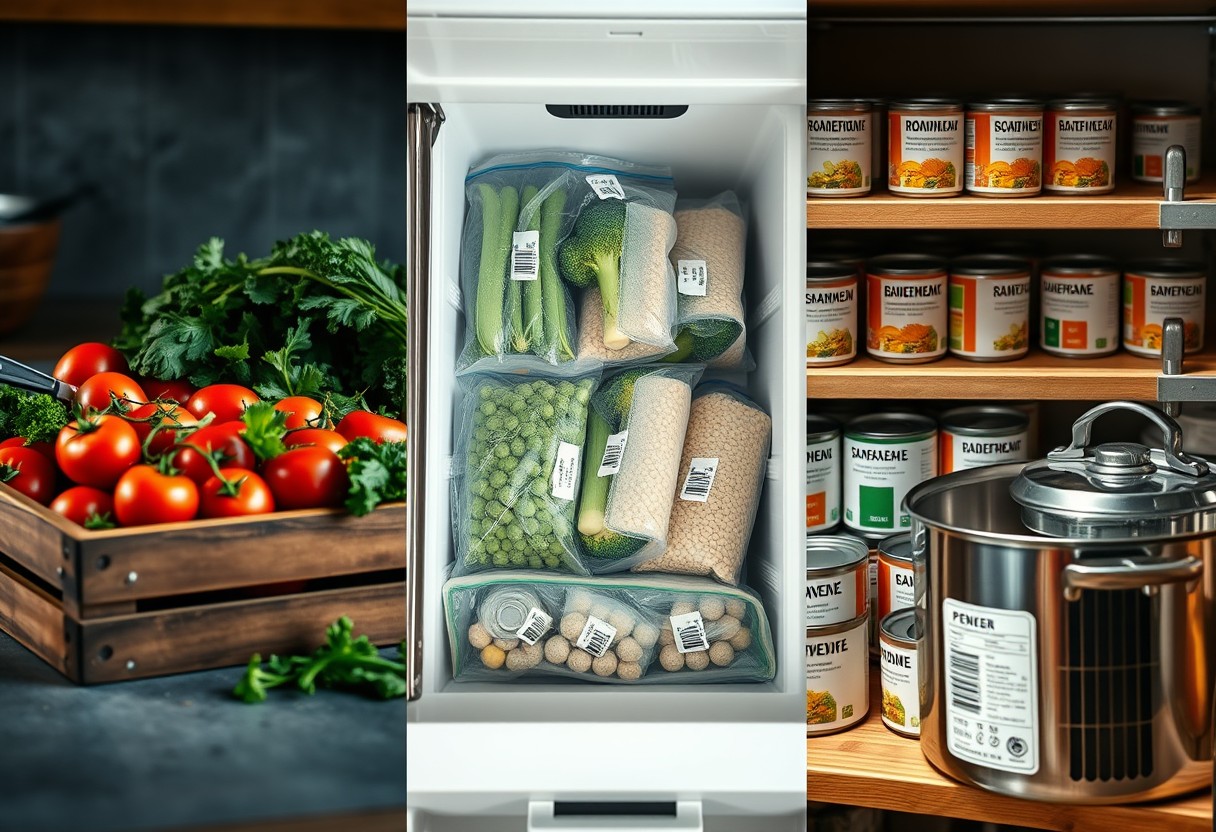
You face real trade-offs every time you choose between fresh, frozen, and canned vegetables. Fresh produce offers peak flavor when in season, but spoilage risks are high. Frozen vegetables lock in nutrients at harvest, making them a reliable, nutritious option year-round. Canned varieties can contain added sodium or BPA-lined containers, yet they offer unmatched shelf life and convenience.
Key Takeaways:
- Fresh vegetables shine in peak season, offering optimal flavor and texture when eaten shortly after harvest, especially for dishes that rely on crispness or raw preparation.
- Frozen vegetables often match or exceed the nutritional value of fresh, locking in vitamins at peak ripeness, making them a smart, low-waste choice for quick cooking or blending into soups and sauces.
- Canned vegetables provide long-term shelf stability and convenience, with certain types like tomatoes and beans gaining flavor and soft texture through the canning process, ideal for stews, curries, and slow-cooked meals.
The Ephemeral Grace of the Fresh Harvest
Nothing rivals the crisp snap of a just-picked green bean or the sweet perfume of a tomato ripened on the vine. When you eat fresh vegetables harvested at peak maturity and consumed shortly after, you experience flavor in its most vibrant form. This immediacy connects you directly to the season’s rhythm, offering taste sensations that diminish rapidly once produce is removed from the plant. Flavor compounds begin degrading within hours, making timing essential for the full sensory reward.
The Biological Clock of Post-Harvest Produce
Time starts ticking the moment a vegetable is cut from its source. Enzymes initiate respiration and ethylene production, processes that gradually dull flavor and alter texture. Sugars convert to starches, aromatics dissipate, and cell walls soften, diminishing the eating quality even under ideal storage. A carrot pulled today may taste markedly different by day five. You can slow this decline with cool temperatures, but you cannot stop the biological reality of decay-freshness is fleeting by nature.
Prioritizing Local Sources to Minimize Transit
Distance erodes freshness long before produce reaches your kitchen. Vegetables shipped across continents spend days in transit, often harvested early to survive the journey, sacrificing both ripeness and taste. Buying from nearby farms ensures shorter travel times and allows crops to mature fully in the field. You gain access to varieties grown for flavor, not durability, and support agricultural practices attuned to regional seasons. Proximity transforms perishability into an advantage, not a limitation.
The Arctic Preservation of Vitality
Flash freezing locks in nutrients within hours of harvest, preserving the nutritional integrity of vegetables far more effectively than prolonged storage at room temperature. You benefit from peas, broccoli, and spinach that retain close to their original vitamin C and antioxidant levels, thanks to rapid cooling that halts enzymatic decay. Unlike produce that travels days to market, frozen varieties don’t degrade en route-what you steam today was likely flash-frozen at peak ripeness, ensuring consistent quality and nutrition with minimal effort on your part.
The Scientific Advantage of Flash Freezing
Cooling vegetables within hours of harvest stops nutrient loss in its tracks. By rapidly reducing temperatures under controlled conditions, commercial freezers preserve cellular structure and prevent significant breakdown of heat-sensitive vitamins like B and C. You’re not just storing dinner-you’re safeguarding a biochemical snapshot of freshness. This method outperforms home refrigeration over time, making frozen options a reliable source of daily nutrition without requiring immediate use.
Reducing Household Waste through Portion Control
You can take out only what you need from a bag of frozen vegetables and return the rest to the freezer, eliminating the pressure to use an entire bunch before it spoils. This precise portioning helps dramatically reduce food waste at the household level, especially compared to fresh counterparts that often go limp or moldy mid-week. A Reddit user noted after opening canned green beans for dinner: “Opened a couple of cans of green beans for dinner…looks nothing like the label”-a reminder that appearance doesn’t always reflect nutritional value, but convenience does matter.
The Endurance of the Prepared Pantry
Canned vegetables stand ready year-round, offering unmatched convenience when time or fresh options are limited. You rely on them for hearty stews, soups, and casseroles where texture matters less than flavor and ease. The high-pressure canning process locks in durability, allowing shelves to remain stocked through disruptions. What you gain is not just shelf stability but also enhanced bioavailability of certain nutrients like lycopene in canned tomatoes, making them a powerful ally in everyday cooking.
The Transformation of Texture through Pressure
Heat and pressure during canning alter the cellular structure of vegetables, softening their texture significantly. You’ll notice beans become tender and tomatoes break down easily, ideal for sauces or dishes requiring a smooth consistency. While crispness is lost, this transformation works to your advantage in cooked meals where firmness isn’t desired. The softened result integrates seamlessly into dishes like chili, curries, or baked casseroles, saving prep time without sacrificing depth of flavor.
Reliable Nutrition in the Absence of Seasonality
You maintain consistent access to essential nutrients regardless of the season, thanks to the preservation methods used in canning. Though some vitamins degrade during processing, others remain stable or even increase in availability due to heat exposure. Canned spinach retains much of its iron, and canned corn offers comparable fiber to its fresh counterpart. When fresh produce is scarce or costly, these goods ensure your meals stay balanced and nourishing without compromise.
The External Costs of Our Cravings
Every choice you make at the grocery store carries hidden environmental and economic consequences shaped by how vegetables are processed. Fresh produce often travels long distances under refrigeration, dramatically increasing its carbon footprint compared to regionally grown or preserved alternatives. Frozen vegetables typically require less transport-related energy due to centralized processing near farms, while canned goods benefit from long shelf life that reduces food waste. Your preference for texture or convenience directly influences energy demand, emissions, and overall sustainability across the supply chain.
Energy Consumption from Field to Fork
Harvesting fresh vegetables only begins the energy journey-they often travel thousands of miles in refrigerated trucks, consuming fossil fuels every step of the way. In contrast, frozen vegetables are usually processed within hours of harvest, locking in nutrients with minimal spoilage and reducing cooling demands during transit. Canned vegetables go even further, requiring heat sterilization but eliminating the need for cold storage entirely. The refrigeration required for fresh produce post-harvest can double or triple its total energy cost, making short-season local options far more efficient when available.
Financial Efficiency of Shelf-Stable Options
Shelf-stable vegetables like canned or frozen varieties offer consistent pricing unaffected by seasonal shortages or transport disruptions. You’ll often find that a serving of canned beans or frozen broccoli costs less than its fresh counterpart, especially in winter months when imports dominate. These options also reduce household waste-no wilted spinach forgotten in the crisper. The longer shelf life of canned and frozen vegetables translates directly into lower per-meal costs and fewer repeat trips to the store, stretching your grocery budget without sacrificing nutrition.
The Culinary Logic of the Kitchen
Matching the vegetable’s form to the cooking method ensures the best texture, and this alignment defines smart, intuitive cooking. You rely on experience when deciding whether a dish needs the snap of raw freshness or the ease of pre-cooked softness. Choosing incorrectly can lead to disappointing results-mushy stir-fries or stubbornly firm stews-so your awareness of form and function shapes every successful meal. The decisions you make in the moment, guided by texture goals, determine the dish’s final character.
Preserving Crispness in Raw Preparations
Fresh vegetables excel when you need a sharp bite and lively texture in salads, slaws, or crudités. Their unaltered cell structure delivers the most satisfying crunch, which frozen or canned versions rarely replicate due to ice crystal damage or pre-cooking. You achieve the best results by using them immediately after purchase, storing them properly, and avoiding heat exposure. Even brief blanching can dull their vibrancy, so keep them raw and chilled for peak performance in no-cook dishes.
Utilizing Pre-Softened Staples for Efficiency
Canned tomatoes, beans, and other pre-cooked vegetables save you time when building soups, stews, or sauces that require long simmering anyway. Their softened state integrates seamlessly, eliminating the need for prolonged cooking. You benefit from both consistency and convenience, especially on busy days. Dense, fibrous vegetables like carrots or green beans often lose texture in cans, so reserve these for dishes where uniform softness is expected, not resisted.
To wrap up
You choose fresh vegetables when peak flavor and texture matter most, such as in salads or quick sautés. Frozen vegetables serve you best when convenience, cost, and minimizing waste are priorities, delivering consistent quality year-round. Canned options make sense when shelf stability and long-term storage are necessary, especially for soups, stews, or recipes where texture is less critical. Each form fits a specific role in a practical, flexible kitchen. Your real advantage lies in knowing when each one aligns with your needs, season, and cooking goals.
FAQ
Q: When is it best to choose fresh vegetables over frozen or canned?
A: Fresh vegetables shine when eaten raw or lightly cooked, such as in salads, quick sautés, or garnishes. Their crisp texture and subtle flavor make them ideal for dishes where taste and mouthfeel matter most. A ripe tomato in a summer salad or freshly chopped cilantro on a taco brings a brightness that preserved forms rarely match. Seasonal availability plays a big role-locally grown produce in peak season often tastes better and costs less. Farmers’ markets in July or August, for example, overflow with just-picked green beans, zucchini, and peppers that require no processing to enjoy.
Q: Do frozen vegetables lose nutrients during the freezing process?
A: Frozen vegetables typically retain most of their nutritional value because they are blanched and flash-frozen shortly after harvest. This quick processing locks in vitamins and minerals that might otherwise degrade over time in fresh produce. Broccoli, for instance, frozen within hours of being picked, can have higher vitamin C levels than fresh stalks that spent days in transit and storage. Freezing halts enzyme activity that leads to spoilage, preserving color, texture, and nutrients for months without additives.
Q: Are canned vegetables ever a good choice?
A: Canned vegetables work well in soups, stews, and dishes where texture matters less than convenience and shelf stability. Diced tomatoes are a prime example-they’re often canned at peak ripeness and perform better in sauces than out-of-season fresh ones. Canned beans and corn also offer ready-to-use preparation with minimal cleanup. Some canned vegetables contain added sodium, but rinsing them under water reduces salt content significantly. For long-term storage or emergency supplies, canned goods provide reliable access to plant-based nutrition.
Q: How does transportation affect the freshness of produce?
A: Many fresh vegetables travel thousands of miles before reaching stores, sometimes taking over a week from harvest to shelf. During that time, exposure to light and air degrades delicate nutrients like vitamin C and antioxidants. A spinach bunch shipped from California to the East Coast may look green but lose up to half its folate content in transit. In contrast, frozen vegetables are processed near farms, reducing travel time and preserving more of their original quality. For consumers far from growing regions, frozen can be a more consistent source of nutrients year-round.
Q: Can I substitute one form of vegetable for another in recipes?
A: Yes, substitutions depend on the dish’s requirements. Stir-fries and steamed sides handle frozen vegetables well, especially if added directly from the freezer to prevent sogginess. In casseroles or chili, canned green beans or peas blend in without issue. For fresh salsas or crudités, frozen or canned versions fail to deliver the right crunch and flavor. A mid-sized SaaS firm’s cafeteria might use frozen spinach in daily quiches for efficiency, while serving local carrots and radishes raw at lunch stations. Flexibility with forms helps balance nutrition, cost, and practicality in real kitchens.