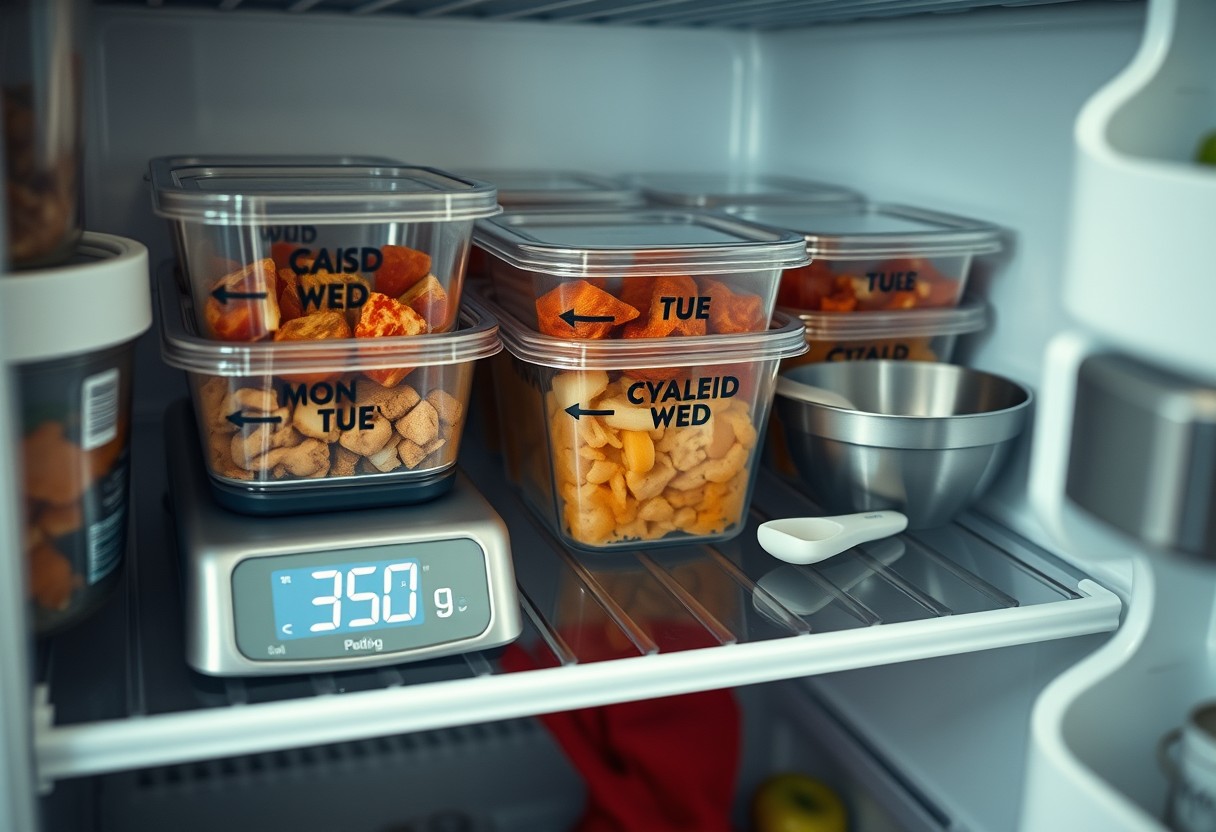
You don’t need to spend hours cooking every Sunday to eat well all week. The Lazy Meal Prep System cuts wasted time and food by having you prepare only what future-you will actually eat. Most people over-prep, lose motivation, and end up tossing spoiled meals-this method eliminates that waste entirely. You gain flexibility, reduce stress, and still eat fresh, homemade dishes with minimal effort.
Key Takeaways:
- Future-you might not want what present-you thinks they will, so cooking full meals in bulk often leads to wasted food and lost motivation; preparing only flexible components avoids this mismatch.
- Building meals from prepped ingredients rather than complete dishes cuts daily effort to under ten minutes, making consistency easier without relying on willpower.
- A fridge organized by ingredient type-not meal type-reduces clutter and decision fatigue, turning dinner assembly into a quick mix-and-match process like a home-based fast-casual restaurant.
The Low-Effort Manifesto
You’re not lazy-you’re strategically efficient. Spending less time prepping doesn’t mean sacrificing nutrition or variety; it means designing a system that respects your energy and time. Focus only on what directly contributes to meals you’ll actually eat. Chopping vegetables for dishes you won’t finish by Thursday is wasted effort, not diligence. Your goal isn’t perfection, it’s consistency with minimal friction. Let go of the idea that meal prep must look a certain way-what works is what matters.
Modular Ingredient Preparation
You save time and reduce decision fatigue by prepping ingredients in versatile, reusable components instead of full meals. Cooking grains, roasting vegetables, or seasoning proteins in batches lets you mix and match based on your future appetite or schedule. This method prevents waste, since unused elements stay fresh longer and can be repurposed across different dishes. A container of quinoa, a tray of roasted bell peppers, or a portioned batch of grilled chicken aren’t tied to one recipe-they’re building blocks. When hunger strikes, you assemble without stress, using only what you truly need.
The Just-In-Time Assembly
Assembly happens only when hunger strikes, not days in advance. You pull pre-cooked proteins, grains, and chopped vegetables from the fridge and combine them into a complete meal in under five minutes. This eliminates soggy leftovers and flavor fatigue, because components stay fresh longer when kept separate. Think of it like a home-based meal kit system-everything ready, nothing wasted. For inspiration, check out how real educators manage this flow in the Meal Prep : r/Teachers thread. You’re not cooking dinner-you’re strategically assembling it at peak freshness.
Tactical Fridge Management
Organizing your fridge with precision cuts your meal prep time in half and prevents food waste before it starts. Place ready-to-eat proteins and chopped vegetables at eye level so they’re visible and easy to grab. Store raw items on lower shelves to avoid cross-contamination, and use clear containers so you can identify contents at a glance. Assign zones for cooked, raw, and condiment items to maintain order. When you open the door, your next meal should practically assemble itself-no guesswork, no expired leftovers. This system works only if you reassess the layout weekly and adjust based on what you actually use.
Final Words
You save time and reduce waste when you prepare only what future-you actually needs. This system aligns with how real life unfolds-unpredictable and ever-changing. By focusing on flexible components, smart storage, and quick assembly, you maintain control without overcommitting effort. You eat well not because you planned every detail, but because you prepared the right pieces at the right time. The result is a sustainable rhythm that fits your actual habits, not an idealized version of them. Consistency grows naturally when the process feels light, not forced.
FAQ
Q: How is The Lazy Meal Prep System different from traditional meal prepping?
A: Traditional meal prepping often involves cooking full meals in advance, which can lead to flavor fatigue and food waste by midweek. The Lazy Meal Prep System focuses on preparing modular ingredients-like roasted vegetables, cooked grains, and seasoned proteins-so future-you can assemble meals quickly without repetition. Instead of six identical containers of chicken and rice, you’ll have versatile components ready to mix and match, reducing boredom and increasing flexibility.
Q: Do I need special containers or tools to use this system?
A: No special equipment is required. Standard airtight containers in various sizes work perfectly for storing prepped components. A few good knives, cutting boards, and basic kitchen appliances like a rice cooker or sheet pans are all you need. The system is designed to work with what most home cooks already own, making it accessible and low-barrier to start.
Q: How much time does The Lazy Meal Prep System actually save during the week?
A: Most users spend 60 to 90 minutes on prep day, then 10 to 15 minutes assembling a meal when ready to eat. Because ingredients are pre-cooked and organized, weekday cooking time drops significantly. One mid-sized SaaS firm employee reported cutting her average dinner assembly from 35 minutes to under 12, without sacrificing nutrition or variety.
Q: Can this system work for families or people with different dietary needs?
A: Yes. The modular approach allows for easy customization. For example, a base of quinoa and roasted vegetables can be topped with spicy tofu for one person and honey-glazed chicken for another. Each family member can assemble their plate according to taste or dietary restrictions, using the same prepped ingredients. A schoolteacher with a vegan teenager and a carb-loving athlete son uses this method weekly with no complaints.
Q: What happens if I overestimate how much I’ll eat and still end up with spoiled food?
A: The system emphasizes estimating based on actual past behavior, not idealized habits. If you consistently throw out cooked lentils, the method prompts you to scale back next time. Components are prepped in small batches-enough for 3 to 4 days-to minimize waste. Many users pair this with a “fridge check” ritual every two days to adjust plans based on what’s left, keeping spoilage close to zero.