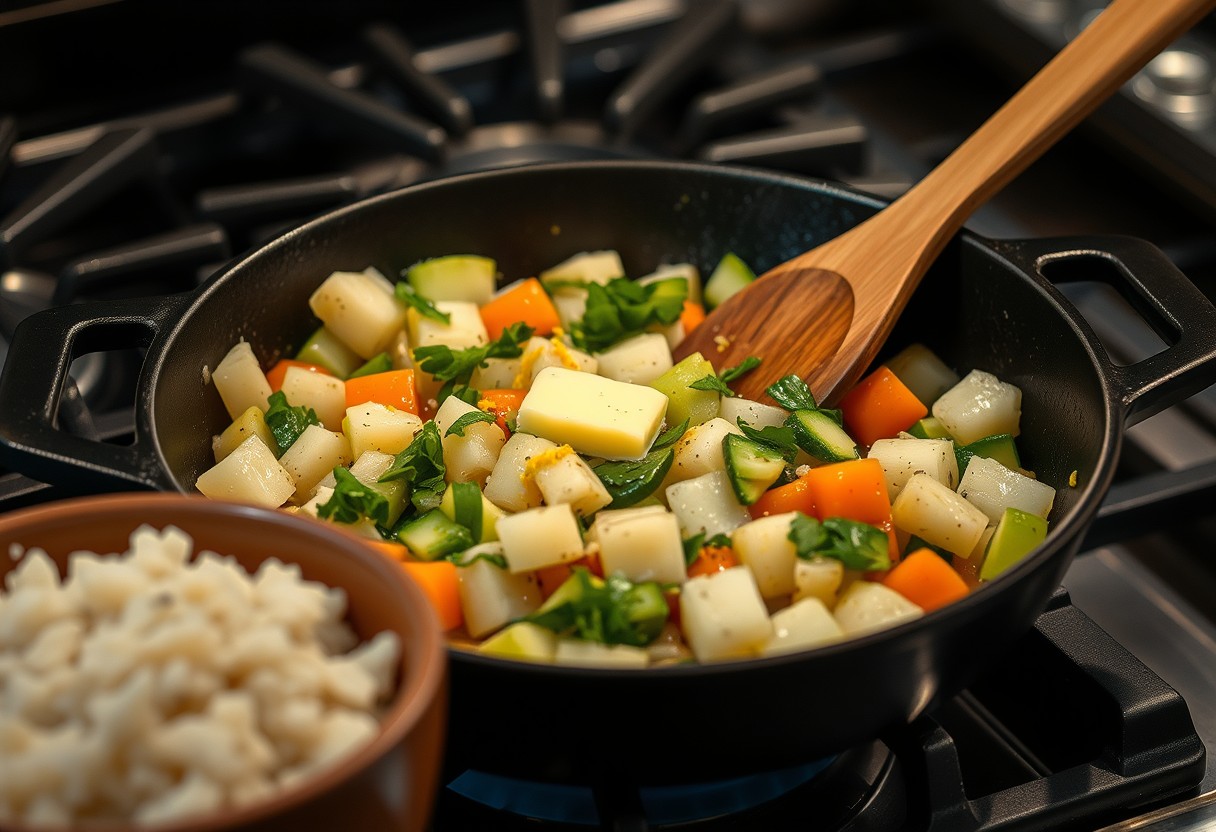
You can turn frozen vegetables into flavorful, satisfying sides or main dish components with the right techniques. Many people overlook their potential, but proper cooking methods prevent mushiness and maximize taste. When handled correctly, frozen veggies retain nutrients and offer a cost-effective, convenient alternative to fresh-perfect for busy weeknights. Avoid common mistakes like boiling them, which leads to soggy, bland results.
Key Takeaways:
- Thawing frozen vegetables slightly before cooking helps reduce excess moisture, leading to better texture and more appealing browning during roasting or sautéing.
- High-heat methods like roasting or pan-searing enhance flavor through caramelization, transforming bland frozen vegetables into savory, satisfying components of everyday meals.
- Seasoning with aromatic herbs, spices, garlic, or a splash of acid like lemon juice or vinegar just before serving can dramatically improve taste, making frozen vegetables flavorful and restaurant-quality.
Selecting Quality Products
Great flavor starts long before cooking-it begins at the freezer aisle. You can’t assume all frozen vegetables are created equal, because differences in processing and packaging directly affect texture and taste. Choosing high-quality frozen produce means looking for packages labeled with peak-season harvest dates and flash-frozen methods, which lock in freshness. Avoid bags with visible clumping or excessive ice, as these are early signs of poor handling. Your best bet is single-ingredient options without added sauces or preservatives, giving you full control over the final dish.
Factors That Influence Frozen Produce Quality
Several key elements determine how well frozen vegetables will perform in your meals. Harvest timing matters-produce picked at peak ripeness retains better flavor and nutrients. Flash-freezing speed is equally important, as rapid freezing prevents large ice crystals that damage cell structure. Packaging also plays a role; resealable, moisture-resistant bags help maintain integrity. Finally, choose brands that specify single-layer spreading before freezing, which ensures even freezing and reduces clumping. Prioritizing these factors leads to crisper, more vibrant results straight from the bag.
- Harvest timing: vegetables picked at peak ripeness deliver richer flavor
- Flash-freezing speed: faster freezing preserves texture and nutrient content
- Single-ingredient lists: avoid hidden sugars or additives that compromise taste
- Individual quick freezing (IQF): prevents clumping and ensures even cooking
Identifying Signs of Freezer Burn and Ice Buildup
Open the bag and inspect the contents closely before use. If you see a thick layer of frost or large ice chunks, the vegetables have likely undergone temperature fluctuations, which degrade texture. Freezer burn appears as whitish, dry patches on the surface and indicates moisture loss, leading to bland, leathery bites. Discoloration, especially dark or dull spots on green vegetables, is another red flag. You won’t regain lost texture, so skip these packages. Always choose bags with loose, evenly frozen pieces and minimal ice-this signals consistent, cold storage from the start.
Managing Moisture Content
Excess moisture is the primary reason frozen vegetables turn out soggy and unappetizing. When water isn’t properly managed, it steams the vegetables during cooking instead of allowing them to develop texture and color. You’ll achieve much better results by ensuring the vegetables are as dry as possible before they hit the pan or sheet tray. Sogginess can ruin both flavor and mouthfeel, making proper moisture control essential for everyday meals that feel fresh and satisfying.
How-to Decide Between Thawing and Cooking from Frozen
You should typically cook most frozen vegetables directly from their frozen state. Thawing them first releases large amounts of water that are difficult to remove fully, increasing the risk of a mushy outcome. Dense items like cauliflower or green beans benefit especially from going straight into hot oil or the oven. Cooking from frozen helps preserve structure and promotes even heat penetration. Exceptions exist for delicate vegetables in stir-fries where precise timing matters, but in general, skipping the thaw leads to firmer, more appealing results.
Tips for Effective Draining and Surface Drying
After briefly blanching or microwaving frozen vegetables, immediate draining is critical. Use a fine-mesh colander and press gently with a clean kitchen towel to absorb surface moisture. For roasting or searing, toss the vegetables in a dry skillet over low heat for a minute to evaporate residual water. Patting them dry or using a salad spinner can make a noticeable difference in browning. Even small amounts of leftover moisture inhibit crispness and lead to steaming instead of caramelization.
- frozen vegetables
- soggy
- cooking from frozen
- draining
- surface drying
- texture
- mushy
- moisture control
Mastering High-Heat Roasting
High heat transforms frozen vegetables by rapidly crisping their surfaces while preserving internal texture. You’ll want to set your oven to at least 425°F to trigger quick browning and avoid steaming. The intense temperature forces moisture off the surface, creating a caramelized crust that closely resembles fresh-roasted produce. Spread the vegetables in a single layer on a preheated baking sheet for even exposure. This method works especially well with broccoli, Brussels sprouts, and cauliflower, delivering a restaurant-quality finish in under 25 minutes.
Factors for Achieving the Perfect Char
Different variables determine how well your frozen vegetables char in the oven. Each plays a role in whether you end up with crisp edges or soggy results.
- Set the oven to 425°F or higher-lower temperatures steam instead of sear
- Use a preheated baking sheet to kickstart surface browning immediately
- Toss veggies in a thin coat of oil to promote even heat transfer
- Choose dense vegetables like carrots or green beans-they hold up better than delicate greens
- Avoid overcrowding, which traps steam and prevents crisp development
How-to Space Vegetables for Maximum Airflow
Proper spacing is non-negotiable when roasting from frozen. Lay each piece so it has room on all sides-about a thumb’s width between them. This gap allows hot air to circulate freely, speeding up moisture evaporation and encouraging uniform charring. If the pan looks full, use two instead of one. Crowded vegetables release steam that clings to neighboring pieces, resulting in mushy patches and uneven texture. A wire rack on top of the baking sheet improves airflow further, lifting the veggies above pooled liquid.
Sautéing and Pan-Searing
Direct contact with a hot pan transforms frozen vegetables by triggering the Maillard reaction, a chemical process that develops rich, savory flavors and appealing browned color. When you skip thawing and place the vegetables straight into a preheated skillet, the high heat quickly evaporates surface moisture, allowing them to sear rather than steam. A well-heated pan ensures the exterior crisps while the interior stays tender, creating a satisfying texture that mimics fresh-cooked produce. This method works best with a thin, even layer to prevent overcrowding and promote consistent browning.
Tips for Choosing the Right Fats and Oils
- Use avocado oil for high-heat cooking due to its high smoke point and neutral taste
- Select extra virgin olive oil for medium heat and added depth of flavor
- Consider toasted sesame oil for finishing to enhance aroma without burning
- Avoid butter alone-it burns easily; blend it with oil if desired for flavor
How-to Deglaze the Pan for Concentrated Flavor
After searing frozen vegetables, small browned bits cling to the pan’s surface-these are flavor gold. Pour a splash of broth, wine, or vinegar into the hot skillet and scrape vigorously with a wooden spoon to lift the caramelized residues. The liquid instantly sizzles and dissolves these particles, creating a rich, integrated sauce that coats the vegetables. This technique intensifies taste and adds a restaurant-quality finish without extra salt or fat.
Elevating Taste with Seasoning
Acids and spices do far more than add flavor-they redefine the character of frozen vegetables entirely. A splash of lemon juice or vinegar at the right moment brightens dull notes, while thoughtfully layered spices like smoked paprika, cumin, or turmeric introduce depth and warmth. You’re not masking the vegetables; you’re revealing their potential. The key lies in timing and balance: adding certain seasonings too early can mute their impact, while introducing them at the peak moment maximizes aroma and taste. With careful application, even basic peas or green beans become standout sides worthy of a chef’s plate.
Tips for Timing the Addition of Salt and Spices
When building flavor, the moment you apply seasoning determines how deeply it integrates. Adding salt too early during high-heat cooking can draw out moisture and hinder browning, leading to soggy results. Wait until the final minutes of roasting or sautéing to sprinkle salt for optimal texture. Delicate herbs like parsley or dill lose potency under prolonged heat, so fold them in at the end. In contrast, hardy spices such as garlic powder or chili flakes benefit from brief heating to unlock their oils. Toasted spices added just before finishing deliver a bold, aromatic punch without bitterness.
- Apply salt near the end of cooking to preserve crispness
- Add dried spices halfway through to develop flavor without burning
- Incorporate fresh herbs off-heat to retain brightness
- Use toasted spices as a finishing touch for maximum impact
Factors in Balancing Acidity and Umami
Acidity cuts through richness and wakes up the palate, but too much can overpower delicate vegetables. A small amount of rice vinegar or citrus zest can lift a dish without dominating it. Pairing acid with umami-rich ingredients like soy sauce, nutritional yeast, or Parmesan creates a rounded, satisfying profile. Frozen broccoli tossed with a touch of tamari and a squeeze of lime, then finished with toasted sesame seeds, becomes complex and restaurant-worthy. The balance isn’t about equal parts-it’s about complementing textures and temperatures so each bite feels intentional and layered.
- Combine acid (lemon, vinegar) with umami (soy, cheese, mushrooms) for depth
- Use citrus zest instead of juice to add brightness without excess liquid
- Choose fermented seasonings like miso or fish sauce for natural umami boost
- Adjust temperature contrast-serve warm veggies with cool, tangy garnishes
Integrating Veggies into Main Dishes
Frozen vegetables can disappear into hearty meals without sacrificing flavor or texture, making them a smart choice for everyday cooking. You’re not limited to side dishes-these ingredients blend naturally into stir-fries, grain bowls, and baked casseroles. When added at the right time, they retain structure and contribute color, fiber, and nutrients. The key is treating them like fresh components rather than afterthoughts. With proper timing and seasoning, you’ll find frozen greens and mixed vegetables enhance depth and balance in complex recipes without extra prep.
How-to Incorporate Frozen Greens into Pasta and Grains
Stir frozen spinach, kale, or broccoli directly into hot pasta or cooked quinoa during the final minutes of preparation. The residual heat wilts them perfectly without requiring pre-cooking or draining excess moisture. You’ll achieve a richer nutritional profile and subtle vegetal flavor that complements sauces and seasonings. For best results, add them just before serving so they don’t break down too much. Overcooking leads to dull color and mushy texture, so timing matters more than quantity.
Tips for Enhancing Soups, Stews, and Casseroles
- Add frozen peas, carrots, or corn directly to simmering soups-they release starch that gently thickens broth
- Layer mixed vegetables into casseroles beneath proteins or cheese to protect them from drying out in the oven
- Use chopped frozen greens in chili or beef stew for added body and nutrition without altering flavor
- Avoid thawing first; going straight from freezer to pot preserves texture and prevents sogginess
- Season after adding frozen veggies, as they can dilute salt levels slightly when thawing
Final Words
You can make frozen vegetables a delicious and reliable part of your daily meals with the right techniques. Proper seasoning, high-heat cooking, and moisture control transform bland bags of frozen produce into flavorful, textured sides or centerpieces. Roast them with oil and herbs, sauté with garlic and spices, or stir them into hearty dishes for added nutrition and taste. You don’t need fresh vegetables every time-frozen can be just as satisfying when prepared well. For more inspiration, check out these 3 life-changing ways to cook frozen vegetables that prove convenience doesn’t mean compromise.
FAQ
Q: What’s the best way to prevent frozen vegetables from becoming soggy when cooking?
A: Sogginess happens when frozen vegetables are thawed before cooking or cooked at too low a temperature. Skip the thaw-cook them straight from frozen using high-heat methods like roasting or sautéing. For roasting, spread them in a single layer on a baking sheet and use a preheated oven at 425°F or higher. Toss with a small amount of oil to encourage browning and avoid overcrowding the pan, which traps steam. When sautéing, use a hot skillet and resist stirring too often so they develop color instead of steaming.
Q: Can I use frozen vegetables in place of fresh ones in recipes like stir-fries or casseroles?
A: Yes, frozen vegetables work well in stir-fries, soups, casseroles, and grain bowls. Their texture may be slightly softer than fresh, but this is less noticeable in mixed dishes. Add them directly to the pan without thawing, and let them cook until heated through and any excess moisture has evaporated. For stir-fries, add heartier vegetables like broccoli or carrots first, followed by delicate ones like peas or corn toward the end.
Q: How can I add more flavor to plain frozen vegetables?
A: Start by seasoning during cooking rather than after. Toss frozen vegetables with olive oil, garlic powder, smoked paprika, onion powder, or herbs like thyme or rosemary before roasting. Finish with a splash of acid such as lemon juice or vinegar, a sprinkle of Parmesan cheese, toasted nuts, or a drizzle of sesame oil. Soy sauce, fish sauce, or miso paste can deepen umami in savory dishes. A pinch of red pepper flakes adds heat without overpowering.
Q: Why do some frozen vegetables taste bland even after cooking?
A: Frozen vegetables are often blanched before freezing, which can mute their natural flavor. Cooking them at low temperatures or steaming them in the microwave tends to leach out more taste. High-heat techniques like roasting or searing create caramelization, which enhances sweetness and complexity. Salt applied early in cooking helps draw out and amplify flavor, while fat carries seasonings and improves mouthfeel.
Q: Are certain types of frozen vegetables better for everyday meals?
A: Mixed blends like stir-fry or steam-in-bag varieties are convenient, but individual vegetables offer more control. Peas, edamame, and corn tend to retain sweetness and texture well. Broccoli, green beans, and Brussels sprouts respond best to roasting. Cauliflower and carrots hold up to bold spices and work in curries or roasted grain bowls. Look for bags without added sauces or butter, so you can season them to match your meal’s flavor profile.