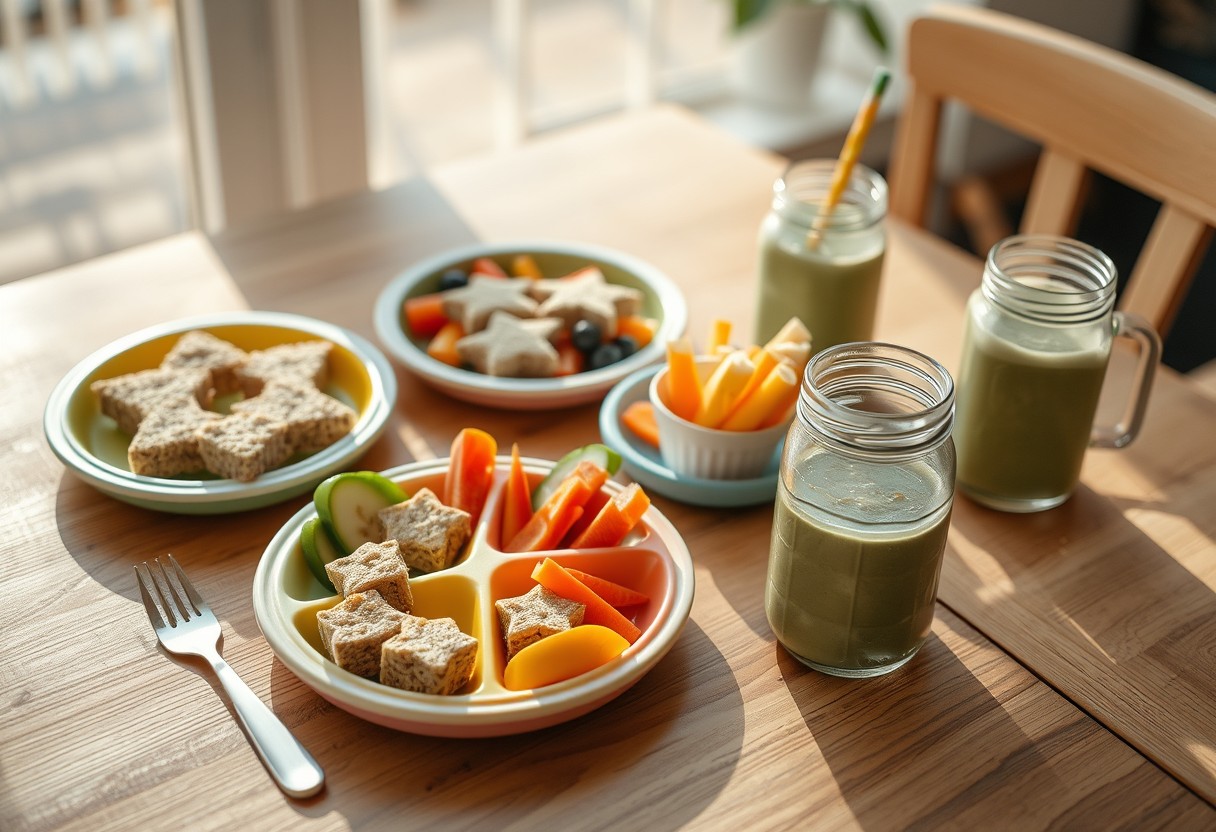
You want your family to eat better but face resistance at every meal. Unhealthy eating habits can lead to long-term health risks, yet forcing the issue often backfires. You’re not alone-many parents struggle to serve nutritious food that’s actually enjoyed. The good news: small changes in preparation, presentation, and involvement can make a significant difference. This guide shows you how to turn mealtime battles into opportunities for healthier, happier eating.
Key Takeaways:
- Small changes to familiar dishes-like blending vegetables into sauces or using whole grain versions of favorite pastas-can increase nutrition without altering the taste your family already enjoys.
- Appearance matters more than most realize; arranging food in colorful patterns, using fun shapes, or serving meals in personalized bowls can spark interest and reduce resistance at the table.
- Letting picky eaters help with shopping, cooking, or choosing recipes gives them a sense of control, making them more likely to try what’s served.
Understanding the Factors Behind Picky Eating
Resistance to certain foods often stems from a combination of biological and psychological influences, not mere stubbornness. Your family members may genuinely experience discomfort based on how food looks, smells, or feels. Some react strongly to bitter tastes due to higher concentrations of taste buds, while others associate specific textures with past negative experiences. Recognizing these underlying causes helps shift the approach from frustration to empathy, allowing you to respond with targeted, effective strategies that address real sensory or emotional barriers rather than surface-level refusal.
Identifying Sensory Sensitivities
Sensory sensitivities can make ordinary meals feel overwhelming for some individuals. You might notice strong reactions to the smell of cooked vegetables, the texture of soft foods, or the appearance of mixed dishes. These responses are often rooted in neurological differences that heighten sensitivity to taste, smell, or mouthfeel. A child may reject eggs not because of flavor, but due to their slippery consistency. Recognizing these triggers allows you to adjust meals in ways that reduce discomfort while still offering nutritious options that won’t provoke resistance.
Recognizing Psychological Food Aversions
Previous experiences can create lasting mental associations that shape eating behaviors. You may not realize that a single incident-like choking on a piece of meat or getting sick after eating a specific food-can lead to long-term avoidance. These aversions are not defiance; they’re protective responses formed by the brain. Someone might refuse chicken not because it’s unappealing, but because they link it to nausea. Understanding this helps you approach resistance with patience and avoid pressuring, which could deepen the negative connection to food.
How-To Techniques for Sneaking in Nutrition
Pureeing Vegetables into Sauces and Soups
Blending steamed carrots, zucchini, or cauliflower into pasta sauces and soups adds essential vitamins without altering the taste most family members expect. You can puree vegetables until smooth so they fully integrate into tomato sauce, Alfredo, or chowders, making the nutrients virtually undetectable. This method works especially well with picky eaters who are sensitive to chunks or visible pieces. By doing this consistently, you boost fiber and antioxidants in meals while maintaining the comfort food appeal they already accept.
Incorporating Superfoods into Familiar Favorites
Stirring ground flaxseed into meatloaf, adding finely chopped spinach to scrambled eggs, or mixing chia seeds into pancake batter are subtle ways to introduce superfoods into everyday dishes. These ingredients blend seamlessly into textures your family already likes, delivering omega-3s, iron, and protein without resistance. Even picky eaters consume more nutrients when they’re hidden in foods like mac and cheese, muffins, or smoothies. The key is choosing mild-flavored superfoods that don’t overpower the dish.

Tips for Improving Food Presentation and Texture
How food looks and feels can make the difference between a meal that’s pushed aside and one that’s eagerly eaten. You can greatly increase the appeal of nutritious dishes by focusing on color, arrangement, and consistency. Think beyond the plate-use fun shapes, contrasting hues, and varied textures to draw attention. Your family is more likely to try something that looks exciting, even if it’s packed with vegetables or whole grains. Small tweaks in presentation and texture often lead to big shifts in acceptance.
- Arrange food in colorful patterns or familiar shapes to spark curiosity
- Use contrasting textures like crispy edges with tender centers
- Serve meals in individual portions with creative plating for a personalized touch
- Choose cookware that enhances visual appeal, like bright bowls or themed plates
- Keep uniformity in bite size to improve mouthfeel and ease of eating
Using Creative Plating to Spark Interest
Plating your meal like a chef can transform simple ingredients into something enticing. You don’t need fancy tools-just a little imagination. Try arranging sliced vegetables into a rainbow on the plate or using a muffin tin to separate components like a mini bento box. Even placing a familiar dip in the center as a focal point draws attention. When food looks fun and intentional, your family is more likely to engage with it, especially children who respond to visual cues more than nutritional ones.
Adjusting Cooking Methods for Better Mouthfeel
Texture often matters more than flavor when it comes to acceptance. A steamed vegetable might be rejected, while the same one roasted until crisp at the edges earns praise. You can use dry-heat methods like roasting or air-frying to create a pleasing crunch that makes healthy foods more satisfying. For proteins, try baking or grilling instead of boiling to preserve firmness. Even leafy greens become more palatable when lightly sautéed with olive oil and garlic, offering a richer mouthfeel without adding unhealthy ingredients.
How-To Involve Family in the Meal Prep Process
Letting your family play a role in meal preparation builds familiarity and reduces resistance to new foods. When people help create a dish, they feel invested in the outcome and are more likely to try it. You can start by planning meals together, allowing each person to contribute ideas or choose one ingredient for the week’s menu. This shared responsibility makes healthy eating a team effort rather than a top-down rule. The act of touching, smelling, and assembling food lowers anxiety around unfamiliar items, making the dinner table less confrontational and more inviting.
Empowering Picky Eaters through Ingredient Selection
Offering choices during grocery shopping or meal planning gives picky eaters a sense of control that often translates into openness at the table. Let each family member pick one new vegetable, grain, or protein to include in a shared meal. When you involve them in selecting colorful peppers, crunchy snap peas, or a new type of bean, they become curious about how their choice will taste. This simple act of selection increases the likelihood they’ll take a bite, not because they’re pressured, but because they helped shape the meal.
Teaching Basic Culinary Skills to Increase Ownership
Learning to chop, stir, or season teaches confidence and creates a personal connection to food. Start with age-appropriate tasks like washing produce, measuring spices, or assembling taco fillings. As skills grow, so does willingness to taste what’s made. When you cook alongside your family, you’re not just preparing dinner-you’re building comfort through repetition and touch. A child who has stirred the soup is far more likely to sip the broth, simply because it carries their effort in every spoonful.
Factors Influencing Positive Mealtime Environments
A relaxed, predictable atmosphere at mealtimes can significantly increase the likelihood that picky eaters will sample new foods. Pressure and negotiation around eating often backfire, triggering resistance rather than cooperation. Instead, focus on creating a space where food choices are presented without demands or emotional weight. Shared meals without screens or distractions allow family members to observe others trying new dishes naturally. Keep conversations light and inclusive-meals become less about what’s on the plate and more about connection, making openness to new tastes more likely.
- Low-pressure settings encourage curiosity instead of resistance
- Shared meals model positive eating behaviors organically
- Emotional neutrality around food reduces defensiveness
- Consistent timing builds predictability and comfort
- Positive interactions make mealtime something to enjoy, not endure
Establishing Consistent and Stress-Free Routines
Meals served at regular times each day help regulate hunger cues and reduce anxiety around eating. When your family knows when to expect food, they’re less likely to feel rushed or overwhelmed. Designate a calm space free from distractions like phones or television, allowing everyone to focus on the experience. Sticking to a familiar rhythm-setting the table, sitting together, starting with a simple greeting-creates a sense of safety. This consistency makes it easier for hesitant eaters to relax and engage, even when unfamiliar items appear on their plates.
Implementing the One-Bite Rule and Positive Reinforcement
Encouraging each person to take one bite of a new dish removes the pressure of finishing an entire portion while still promoting exposure. Celebrate the attempt, not the outcome-praise like “I appreciate you trying it” reinforces courage over compliance. Avoid linking rewards to eating, as this can distort long-term attitudes toward food. Simple acknowledgment increases the chance of future willingness. Over time, repeated, low-stakes exposure within a supportive context reshapes how your family views unfamiliar foods.
To wrap up
You make lasting changes in your family’s eating habits by focusing on small, consistent steps rather than dramatic overhauls. You introduce new foods alongside familiar favorites, adjust textures to suit individual preferences, and involve everyone in meal planning and cooking. Your patience and persistence create space for acceptance without pressure. Over time, your efforts shift the atmosphere around meals from conflict to curiosity. When you present nutritious foods in appealing ways and honor personal tastes, even picky eaters begin to explore more variety-without resistance.
FAQ
Q: How can I add vegetables to meals without my family noticing?
A: Grate or finely chop vegetables like carrots, zucchini, or spinach and mix them into dishes such as pasta sauces, meatloaf, casseroles, or muffins. Blending beans or lentils into soups or taco fillings also boosts fiber and protein without changing the flavor significantly. A mid-sized SaaS firm might prioritize seamless integration, but in cooking, subtle integration works best-think of it as flavor camouflage. Tomato-based sauces, for instance, easily hide puréed cauliflower or bell peppers while maintaining a familiar taste kids and adults alike accept.
Q: My child refuses to eat anything green-what can I do?
A: Start by introducing one small portion of a mild green vegetable, like snap peas or broccoli florets, alongside foods they already enjoy. Offer dips such as hummus or yogurt-based ranch to make the experience more interactive and less intimidating. Serve the same vegetable multiple times in different forms-raw, roasted, or steamed-since repeated exposure increases acceptance. One parent reported their child eventually tried roasted Brussels sprouts after seeing them on the table nine times without pressure to eat them.
Q: Can involving picky eaters in cooking really change their eating habits?
A: Yes. When family members help choose ingredients or assemble meals, they feel a sense of ownership. Let kids pick a vegetable at the grocery store, wash produce, stir ingredients, or use cookie cutters to shape chicken nuggets or sandwiches. A study observed that children who participated in meal prep were more likely to taste and finish the dish. Even simple tasks like sprinkling cheese or choosing seasoning give them control, reducing resistance at the table.
Q: What are some creative ways to make healthy food look fun?
A: Use colorful plates and arrange food in patterns-make a smiley face with cherry tomatoes and cucumber slices or create a rainbow with bell peppers and berries. Skewer fruit or bite-sized proteins into kabobs for a playful touch. Baking sweet potatoes into star-shaped fries or using molds for whole-grain pancakes adds visual appeal. Presentation shifts perception: a bowl of mixed fruit looks more exciting when served in a clear glass like a parfait rather than a plain bowl.
Q: How do I handle constant complaints about healthy meals without giving in?
A: Set a consistent routine where one balanced meal is offered at each dinner, without preparing separate dishes. Calmly state that this is what’s being served, and offer a simple alternative like a banana or yogurt if they choose not to eat it-without drama. Avoid labeling foods as “good” or “bad.” Over time, knowing a safe option exists reduces power struggles, and many children begin trying the main dish when they see others enjoying it. Patience and repetition matter more than persuasion.