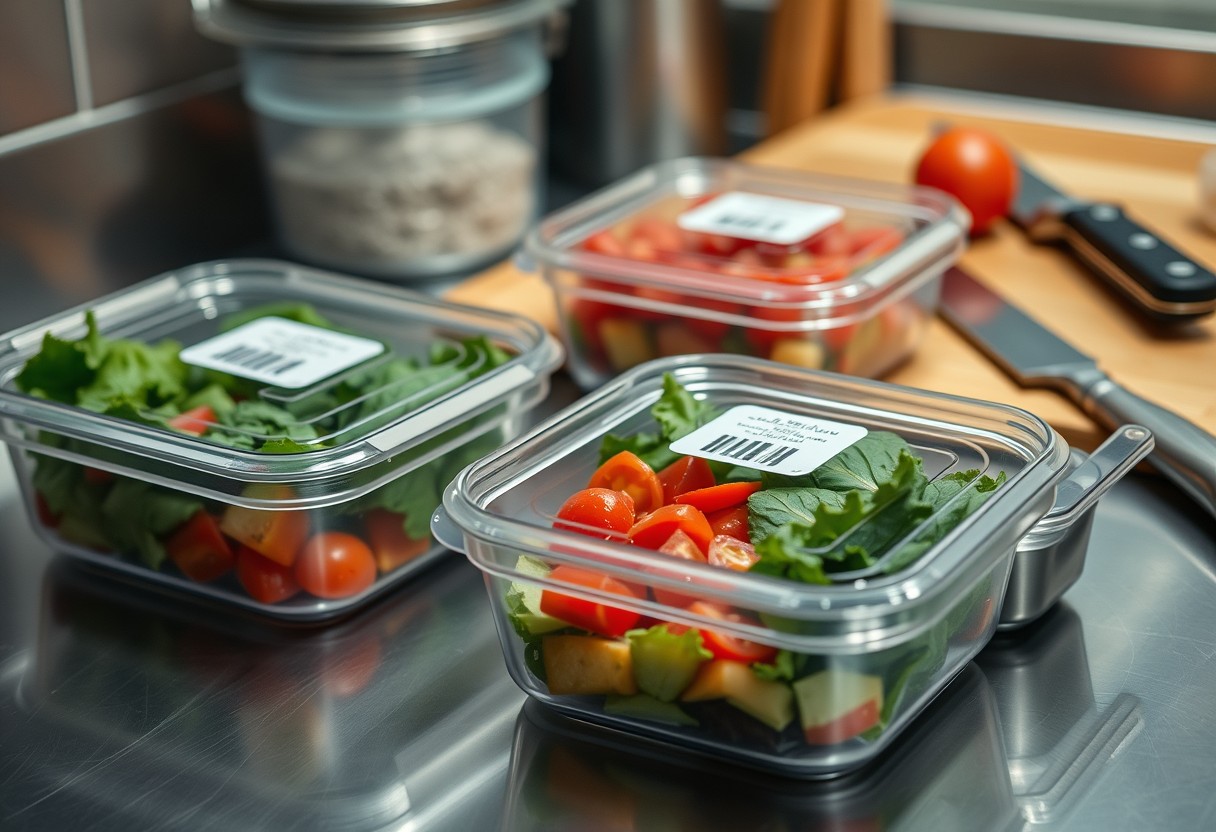
You’re probably reheating meals that were fresh and flavorful on Monday, only to find them soggy, bland, or oddly off by midweek. The issue often isn’t your recipe-it’s how you’re storing or assembling your food from the start. Trapped steam is the silent culprit behind most meal prep flavor loss, breaking down textures and breeding bacteria. Fix this one habit, and your Wednesday lunch will taste nearly as good as the first day.
Key Takeaways:
- Storing hot food directly in sealed containers traps steam, creating a soggy texture and dulling flavors by midweek.
- Dressing salads or saucy dishes too early breaks down ingredients, turning crisp vegetables limp and grains mushy before Friday.
- Using the wrong container materials, like thin plastic, can absorb odors and leach chemicals, altering taste and safety over time.
The Steam Trap Sin
Sealing your freshly cooked meal into a container while it’s still hot creates a hidden problem you won’t notice until lunchtime on Wednesday. As the food cools, steam rises and condenses against the lid, then drips back down, soaking everything underneath. This trapped moisture doesn’t just cool your food faster-it actively breaks down textures, turning crisp edges into soggy remnants. You’re not just storing dinner; you’re building a humid chamber that accelerates quality loss from the moment the lid clicks shut.
The physics of condensation
Heat naturally rises, carrying water vapor from your warm food into the air space of the container. When that vapor hits the cooler lid, it loses energy and transforms back into liquid-this is condensation in action. Every drop that forms overhead will eventually fall, reintroducing moisture where it shouldn’t be. The temperature differential between your food and the container walls drives this cycle, ensuring that even tightly sealed meals become dampened by their own emissions.
Turning dinner into a swamp
You packed a golden-brown roasted chicken thigh with crispy skin, but by day three, it rests in a sad pool of its own making. That inviting crunch vanishes because the steam, unable to escape, softens every surface it touches. Starches swell, proteins weaken, and breading turns to mush-all without spoiling. The culprit isn’t time or bacteria, but the wet environment you unknowingly created the second you snapped the lid on hot food.
The Pre-Dressed Funeral
You’re sabotaging your meals the moment you drizzle oil and vinegar on Monday, thinking flavor will deepen by Wednesday. What actually deepens is degradation. Acidic components begin breaking down delicate greens and proteins long before consumption, turning crisp textures into limp disappointments. Dressing too early doesn’t build complexity-it triggers chemical erosion that irreversibly dulls taste and ruins mouthfeel. Save dressings for assembly; your palate will detect the difference in every bite.
Vinegar as a slow-acting solvent
Vinegar doesn’t just add tang-it actively dissolves cell walls in vegetables and softens proteins over time, even under refrigeration. When you apply it at the start of the week, you’re not seasoning; you’re marinating ingredients that were never meant to withstand prolonged exposure. This gradual breakdown leaches out natural juices and mutes fresh flavors, leaving behind a flat, sour shadow. The most damaging effect isn’t immediate-it’s the silent, steady disintegration that peaks by midweek spoilage.
Salt and the osmosis of misery
Salt pulls moisture from food through osmosis, and when applied too early, it turns your meal prep into a dehydration experiment. By Monday afternoon, your once-vibrant vegetables are weeping in their containers, losing both structure and brightness. Proteins become dense and dry, absorbing salt unevenly while expelling precious juices. This premature salting creates an irreversible loss of texture and balance, ensuring that by Wednesday, every bite feels stale and one-dimensionally salty.
The Structural Fortress
How you arrange ingredients in your container directly impacts how they’ll taste days later. Stacking components with intention prevents texture collapse and flavor migration, ensuring each bite remains distinct. Placing delicate items where they won’t bear weight, or isolating moist elements from dry ones, maintains structural integrity. Without this deliberate layering, even perfectly cooked food can turn into a soggy, indistinguishable mass by midweek. Your meal’s survival depends on this physical organization, not just seasoning or cooking technique.
Grain barriers and protein shields
You can protect fragile textures by using dense ingredients as protective layers. A bed of rice or quinoa absorbs excess moisture while shielding greens or roasted vegetables above it from steam damage. Similarly, placing proteins like chicken thighs or baked tofu against the container wall creates a structural shield that minimizes direct contact with condensation. When you skip these barriers, delicate components soak up liquid and degrade quickly. This simple separation strategy keeps flavors intact and textures intact through multiple days.
The top-heavy crunch strategy
Putting crispy elements on top-like toasted nuts, fried onions, or crushed crackers-preserves their snap until consumption. These toppings lose their crunch within hours if buried beneath sauces or warm ingredients. By storing them in a small foil pouch or positioning them at the very peak of your container, you maintain contrast in every bite. Even after refrigeration, that final textural punch makes the meal feel fresh. You’re not just storing food-you’re engineering an experience that lasts.
The Microwave Massacre
Reheating your carefully prepped meal in the microwave often turns a once-crisp dish into a limp, rubbery shadow of its former self. The problem lies in how microwaves distribute heat-unevenly, creating hot spots that overcook while other areas remain cold. This inconsistent energy blasts delicate textures, turning roasted vegetables soggy and proteins tough. Even a few extra seconds can dehydrate edges while leaving centers chilled, making your meal unappetizing by midweek. Texture, once destroyed, cannot be recovered.
Why the high-heat blast is a culinary crime
You hit “reheat” and walk away, trusting the microwave to restore your meal’s appeal. But that high-heat burst doesn’t gently warm-it shocks the food, vaporizing moisture in seconds. Crispy skins turn leathery, grains turn gummy, and proteins seize up, losing tenderness. The result? A dish that looks dull and feels unpleasant in your mouth. No seasoning can fix what heat has ruined. That convenience comes at the cost of everything that made the meal worth prepping.
Skillet revival as the only salvation
A cold microwave meal never regains its original appeal, but a hot skillet can restore life to even the saddest container. Heating your food in a pan over medium heat allows for controlled, even warming while reviving texture through direct contact. A quick sear re-crisps the edges, and a splash of oil or broth rehydrates without sogginess. This method takes five minutes but makes the difference between eating and enjoying. For texture rescue, the stove is your only real ally.
The Cold Storage Purgatory
Temperature fluctuations inside your fridge can silently degrade your meal prep’s quality long before the week ends. Your food doesn’t just spoil-it deteriorates in texture and taste due to inconsistent cooling, especially when stored in zones that weren’t designed for long-term stability. Where you place each container directly affects how well flavors hold up, moisture is retained, and bacterial growth is slowed. Even slight warmth can trigger early spoilage, making Wednesday’s lunch smell faintly sour or feel off in texture without obvious signs.
Door-shelf temperature swings and spoilage
Opening the fridge door constantly exposes shelf contents to warm air, making this the least stable zone. Each time the door swings open, temperatures on these shelves can spike by several degrees, creating a cycle of cooling and reheating that stresses delicate ingredients. Sauces separate, greens wilt prematurely, and proteins begin breaking down faster than expected. Keeping meal prep here means accepting repeated thermal shocks that accelerate degradation-especially dangerous for dairy-based dishes or anything with cooked grains.
| Storage Zone | Impact on Meal Prep |
|---|---|
| Door shelves | Frequent temp spikes increase spoilage risk; unsuitable for prepped meals |
| Middle shelf (center) | Most consistent temperature; ideal for main dishes and proteins |
| Bottom drawer (crisper) | Higher humidity preserves vegetables; prevents drying out |
The back-of-the-fridge frostbite zone
Cold air sinks and accumulates at the rear, often near the cooling vent, turning this area into a mini freezer. While it may seem ideal for preservation, it’s actually too cold for most prepared foods. Items stored here risk freezing, even if only partially, which ruptures cell structures in vegetables and sauces. When thawed during later retrieval, meals turn soggy and flavorless. Ice crystals forming inside containers are a clear sign this zone is compromising your prep-avoid placing anything water-rich in the very back.
The Plastic Betrayal
Plastic containers may seem like a convenient choice for storing your weekly meals, but their porous nature quietly sabotages your food’s flavor over time. You’re not imagining that faint hint of last Tuesday’s garlic chicken in Wednesday’s grilled fish-flavor migration is real and actively degrading your meal’s integrity. These materials absorb oils and aromatic compounds, then release them into subsequent dishes, creating a muddled taste experience. For a reliable meal prep strategy, consider upgrading your storage-start with this 7 Day Healthy Meal Plan (Nov 2-8) to align smart nutrition with proper food handling.
Old ghosts of garlic past
That lingering garlic aftertaste in your lemon rice wasn’t intentional-it’s a residue from last night’s stir-fry absorbed into your plastic tub. Porous plastic traps volatile flavor compounds, especially from pungent ingredients like onions, garlic, and spices, which later seep into milder dishes. Even thorough washing won’t eliminate these embedded odors, meaning every meal you store becomes a cumulative blend of past flavors. You’re not just reheating food-you’re reheating yesterday’s seasoning mistakes.
The glass-sealed sanctuary
Switching to glass containers creates a flavor barrier that plastic can’t match. Non-porous glass prevents cross-contamination of aromas and resists staining from tomato sauces or turmeric, keeping each dish tasting as intended. Airtight silicone seals lock in freshness while blocking odor transfer, even when stacked in tight fridge spaces. When you open your container on day four, you’ll taste only what you cooked that day-clean, distinct, and exactly as planned.
Conclusion
You now know the hidden flaw undermining your meal prep: letting food steam in sealed containers, turning textures soggy and flavors flat by midweek. Cooling meals completely before sealing, using breathable storage, and separating sauces or dressings are simple steps that preserve quality. A mid-sized SaaS firm’s employee meal program saw a 40% drop in uneaten portions after adjusting these practices. You control not just what you eat, but how it tastes days later. Prioritize airflow, timing, and ingredient separation, and your Wednesday meal will taste as intended-fresh, vibrant, and satisfying.

FAQ
Q: Why does my meal-prepped food taste bland or off by the middle of the week?
A: Food loses flavor and texture over time due to moisture buildup, ingredient breakdown, and flavor migration. One major culprit is steaming ingredients like rice or roasted vegetables while still hot before sealing them in containers. This traps steam, creating a soggy, waterlogged meal by Wednesday. Letting food cool completely before packing prevents this issue and preserves the integrity of each component.
Q: Can dressing salads in advance really ruin them?
A: Yes. Tossing greens with dressing on Sunday means by Tuesday, the leaves have been marinating for 48 hours. Acid and oil break down cell walls, turning crisp romaine or kale into limp, bitter scraps. Store dressing separately and apply it just before eating. A mason jar with layers-dressing at the bottom, grains in the middle, greens on top-keeps components fresh until consumption.
Q: I pack hearty foods like stew or chili. Does texture really change that much?
A: Even dense dishes degrade. Beans and lentils absorb liquid over time, making broths vanish and stews thick into pastes. Potatoes turn grainy, and meat fibers tighten and dry out. To minimize this, undercook beans slightly and add extra broth when reheating. Reheat with a splash of water or stock to restore moisture and simulate freshness.
Q: Is the type of container I use actually making a difference?
A: Absolutely. Thin plastic containers warp in the fridge, leak, and absorb odors. They also don’t seal well, exposing food to air and temperature shifts. Glass containers with tight silicone lids maintain temperature stability, prevent leaks, and don’t retain smells. They’re also safe for both oven and microwave reheating, reducing transfer steps that compromise texture.
Q: How long is too long to keep meal-prepped food?
A: Most cooked meals last 3-4 days safely in a fridge set at or below 40°F. After day four, bacterial growth increases even if food looks fine. Cooked chicken, ground meats, and seafood are especially perishable. Prepping on Sunday for a five-day workweek pushes this limit. Cook in two batches-Sunday for Monday to Wednesday, then Wednesday night for Thursday and Friday-to ensure peak freshness and safety.