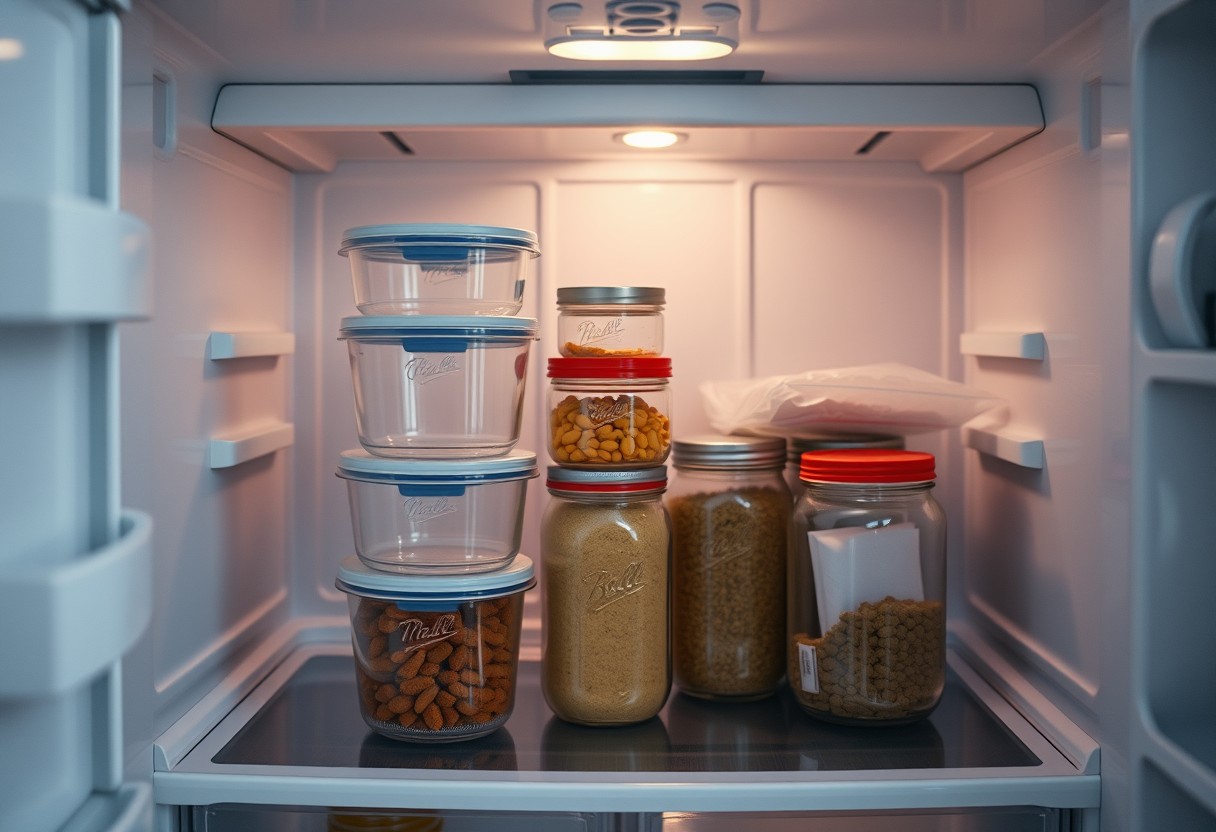
You can save time and eat healthier without turning your fridge into a cluttered maze of identical plastic boxes. Over-prepping in individual portions wastes space and often leads to food waste. Instead, focus on smart strategies that prioritize versatility and efficiency. The right approach lets you prep for the week using just a few containers, keeping your kitchen organized and your meals fresh.
Key Takeaways:
- Focus on multi-use ingredients like grains, beans, and roasted vegetables that can be mixed and matched across meals to reduce the number of separate containers needed.
- Adopt a component-based prep approach-cooking elements separately instead of full meals-so you can assemble different dishes throughout the week without extra bulk in the fridge.
- Store items efficiently using stackable containers, vacuum-sealed bags, and flat-storage options to maximize space and keep the refrigerator organized without overcrowding.
Choosing Versatile Base Ingredients
Pick base ingredients that naturally adapt to a variety of meals throughout the week. A single batch of roasted vegetables can anchor a grain bowl, fit into a wrap, or blend into a soup. Cooking once and reusing across multiple dishes cuts down on time and container clutter. Ingredients like sweet potatoes, bell peppers, and zucchini hold up well and absorb different flavor profiles. You’re not locked into one recipe-you’re building flexibility into your meals with every chop and roast.
Selecting proteins that span multiple cuisines
Choose proteins that transition easily between flavor profiles and global cuisines. Grilled chicken, for example, works just as well in a Mexican taco salad as it does in an Asian-inspired stir-fry with soy-ginger sauce. Hard-boiled eggs, canned beans, and baked tofu are equally adaptable and require minimal prep. By selecting proteins that accept diverse seasonings, you avoid cooking separate components for each meal, reducing both effort and storage needs.
Buying grains that pair with various sauces
Opt for neutral yet hearty grains that welcome bold sauces and mix-ins without breaking down. Brown rice, farro, and quinoa each hold their texture after cooking and absorb flavors from chimichurri, tahini, or teriyaki equally well. One batch can anchor a Mediterranean bowl, fuel a Mexican burrito prep, or serve as a side for an Indian curry. These grains stay reliable across pairings, letting you rotate meals without multiplying your prepped items.

Implementing the Component Prep Strategy
Breaking down meals into core components-like grains, proteins, and roasted vegetables-lets you mix and match throughout the week while using far fewer containers. Instead of sealing five identical lunches, you store three or four elements separately, dramatically cutting clutter and increasing meal variety. You maintain freshness longer because ingredients aren’t combined too early, preventing sogginess or texture loss. This method also makes it easier to adjust portions based on daily needs, ensuring you’re not stuck with mismatched leftovers.
How to cook bulk vegetables for different meals
Roast two to three sheet pans of mixed vegetables-such as bell peppers, zucchini, carrots, and broccoli-at once to create a versatile base for bowls, omelets, or stir-fries. Toss them in a light coating of oil and seasoning before baking to lock in flavor and texture, then divide into one- or two-serving containers. Keeping them slightly al dente ensures they hold up when reheated later in the week. You’ll save time and space by avoiding repetitive small batches while gaining flexibility across breakfast, lunch, and dinner options.
Preparing master sauces to vary flavors daily
Create a single batch of a flexible sauce-like chimichurri, tahini-lemon, or peanut-ginger-that can transform plain proteins or steamed vegetables with minimal effort. Store it in a single jar or squeeze bottle instead of portioning multiple servings, which reduces container usage and boosts flavor variety. A spoonful over grilled chicken or roasted sweet potatoes changes the entire profile of your meal without extra prep. These sauces stay fresh for up to five days and keep your routine from becoming monotonous, all while occupying just one small shelf spot.
Utilizing Space-Saving Storage Solutions
Stackable and vacuum-sealed containers drastically reduce the amount of shelf space your prepped meals occupy. By investing in gear designed for compact storage, you free up room even in a crowded refrigerator. Silicone bags that nest when empty and containers with flat lids allow for efficient vertical stacking. These solutions also minimize air exposure, helping food stay fresh longer. The right tools transform how much you can store without cluttering every available inch.
Switching to silicone bags and stackable glass
You gain both flexibility and efficiency by replacing bulky plastic with foldable silicone bags and modular glass containers. Silicone bags collapse when not in use, saving cabinet space, while stackable glass pieces lock neatly into place. They’re microwave-safe, freezer-durable, and eliminate single-use plastics, making them a long-term upgrade. Their uniform shapes fit tightly on shelves, reducing wasted gaps. This shift supports a cleaner fridge layout without sacrificing accessibility or food quality.
How to use vacuum sealing for flat storage
Vacuum sealers remove air from around your food, compressing it into slim, flat packages that lie flush on shelves or slide into narrow spaces. You can store proteins, chopped vegetables, or cooked grains in these airtight pouches, which take up far less volume than rigid containers. Removing oxygen not only saves space but also prevents freezer burn and extends freshness. Laying them like files in a drawer maximizes unused horizontal areas, turning awkward gaps into functional storage zones.
Mastering Batch Cooking and Freezing Techniques
Freezing in bulk keeps your refrigerator shelves clear and your meals protected from spoilage. You can cook large quantities of grains, proteins, or soups and store them flat in labeled freezer bags to save space. Airtight packaging prevents freezer burn, preserving flavor and texture for weeks. Reheat only what you need, directly from frozen, using a microwave or stovetop. This method reduces daily cooking time while ensuring you always have a homemade option ready.
How to flash freeze portions for easy access
Start by spacing small portions of food like meatballs, chopped vegetables, or marinated tofu on a parchment-lined tray. Freeze them uncovered for 2-3 hours until solid, then transfer to a resealable bag. This prevents items from clumping together, so you can grab just one serving without defrosting the entire batch. Flash freezing works especially well for sauces in ice cube trays-once frozen, pop them out and store in a container. You’ll maintain flexibility and reduce waste.
Identifying meals that maintain quality after thawing
Soups, stews, chili, and braised dishes typically reheat beautifully with no loss in flavor or texture. These moist, slow-cooked meals benefit from freezing because the ingredients absorb flavors more deeply over time. Dishes with high water content or delicate greens may become soggy, so avoid freezing salads or fried foods. Casseroles and grain bowls with sturdy vegetables also perform well. Test a single portion first to confirm it reheats well before freezing larger batches.
Factors Influencing Portion Control and Organization
Your household size and daily schedule directly shape how much you should prepare and store. A family of four needs more volume than a solo meal prepper, but overestimating portions leads to overcrowded shelves and wasted food. If mornings are rushed, larger grab-and-go portions make sense. Those with flexible schedules can split meals more precisely. Aligning portion size with actual consumption patterns prevents clutter and supports consistent eating habits. Matching your prep to real-life demand keeps your system efficient and your refrigerator functional.
Determining your weekly caloric requirements
You need to match your meal prep volume to your energy needs, which vary by age, activity level, and health goals. A moderately active adult may require between 2,000 and 2,500 calories daily, but individual targets differ significantly. Tracking intake for a few days reveals patterns and helps avoid cooking too much. Preparing meals that align with your actual caloric needs reduces excess storage and supports long-term adherence. This approach prevents overfilling containers with food you won’t eat.
Assessing available shelf height and depth
Measure your refrigerator’s interior before choosing containers. Standard shelves average 12 inches in height, but models vary, and oversized containers won’t fit, wasting space or forcing awkward stacking. Shallow shelves limit vertical storage, making low-profile, wide containers more effective. Depth matters too-items pushed to the back often get forgotten. Selecting containers that match your fridge’s dimensions ensures visibility and accessibility. This maximizes usable space without overcrowding.
Tips for Maintaining a Clutter-Free System
To keep your fridge organized and food waste low, adopt a “first-in, first-out” system-always place newer prepped items behind older ones so nothing gets forgotten. This simple habit ensures you consume meals in the right order and reduces spoilage. For more ideas on efficient storage, check out this discussion on How to eat with extremely minimal storage space? [Ask ECH]. Use clear containers and follow these practices consistently to maintain order:
- Store similar components together in designated zones
- Use uniform container sizes to maximize shelf space
- Keep a running inventory of prepped items
- Rotate ingredients each time you add something new
- Limit storage to a maximum of four days for perishables
Labeling for quick identification
You save time and avoid confusion when every container is clearly labeled with its contents and date. Use masking tape or reusable labels to mark each one, focusing on what’s inside and when it was prepared. This prevents mystery leftovers from lingering and makes meal assembly faster. Seeing the date at a glance helps you prioritize what to eat first, reinforcing the first-in, first-out method. Consistent labeling turns your fridge into a functional system, not a guessing game.
Setting a weekly “clear out” day
Designate one evening each week to fully assess what’s left in your fridge. This routine prevents overlooked containers from spoiling unnoticed and keeps your system honest. Remove everything, check expiration dates, and either consume or discard what remains. Reorganize the space afterward to reflect your upcoming prep, maintaining a clean, visible layout. That weekly reset ensures freshness, reduces waste, and reinforces discipline in your meal prep cycle.
Conclusion
You can meal prep efficiently without overcrowding your refrigerator by focusing on simplicity and smart planning. Prepare versatile components that mix and match across meals, reducing the need for multiple containers. Use stackable, uniform storage that fits neatly on shelves and take advantage of the freezer for longer-term options. Cooking in batches and controlling portions keeps your system sustainable. With consistent organization and mindful prep habits, you maintain flexibility and save space, making meal prep a practical part of your routine.
FAQ
Q: How can I meal prep for the week without taking up too much fridge space?
A: Focus on prepping individual ingredients instead of full meals in separate containers. Cook versatile base components like grains, roasted vegetables, and proteins in batches, then store them in flat, stackable containers toward the back of the fridge. Use divided containers to combine small portions of multiple items when assembling meals, reducing the total number of vessels needed.
Q: What types of containers save the most space in the refrigerator?
A: Rectangular glass or BPA-free plastic containers with latching lids fit together more efficiently than round ones. Opt for nesting sets or those that can double as serving dishes. Vacuum-sealed bags are excellent for flat storage of marinated proteins or chopped vegetables, and they can be stacked like books on a shelf.
Q: Can I use the freezer effectively if I don’t want my fridge full of containers?
A: Yes. Freeze portions of soups, stews, chili, or cooked grains in labeled silicone bags laid flat to maximize surface area. Once frozen, you can stand them upright like files in a drawer. Reheat directly from frozen in a pot or microwave, minimizing fresh storage needs during the week.
Q: How do I keep track of what I’ve prepped without labeling every single container?
A: Keep a simple list on a whiteboard or notes app listing what was prepped and when. Store similar items together-like all proteins on one shelf-and use clear containers so contents are visible at a glance. Rotate older items to the front each time you restock.
Q: Is it possible to meal prep without cooking seven full meals ahead of time?
A: Absolutely. Prepare three core elements-such as quinoa, grilled chicken, and sautéed greens-and mix them into different combinations throughout the week. Add fresh toppings like avocado or salsa daily to vary flavors. This method cuts down on container use while keeping meals interesting.