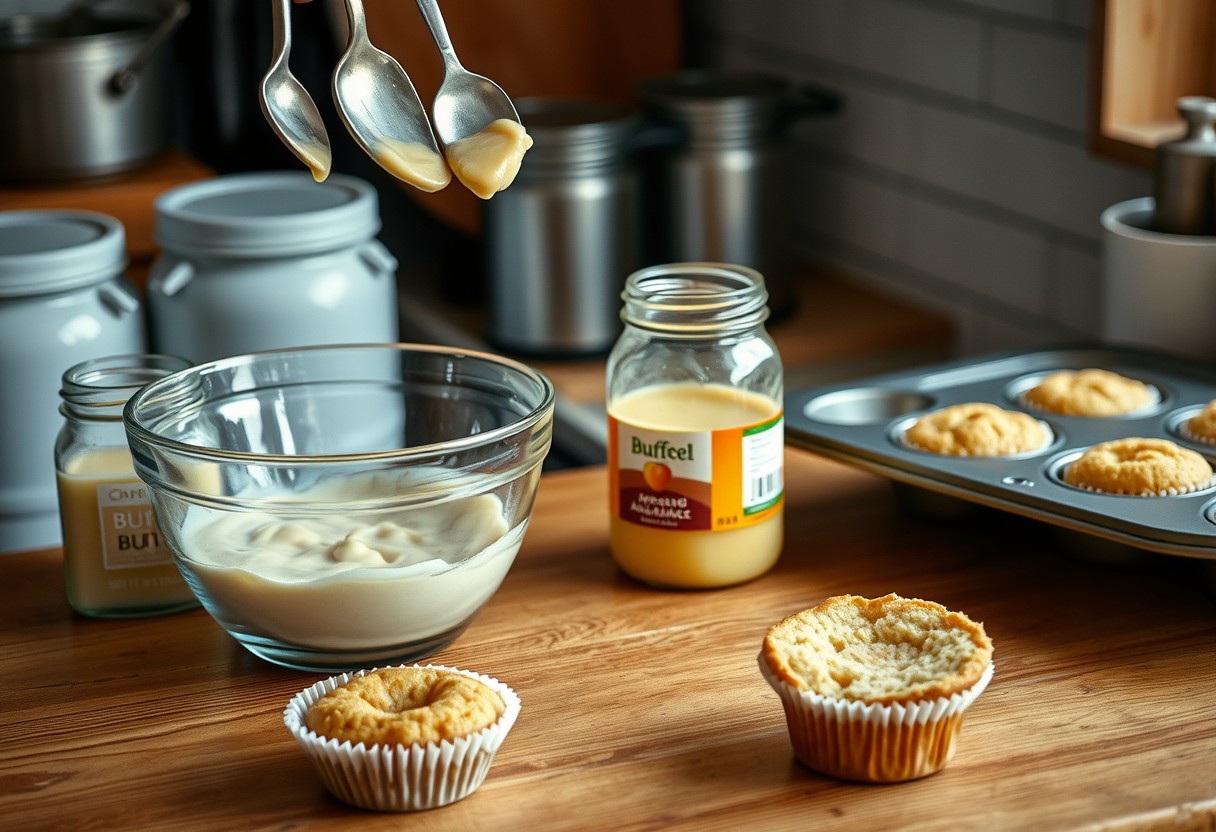
You alter only one ingredient or technique at a time to isolate its impact on flavor, texture, and structure. This targeted change prevents unpredictable results, unlike overhauling an entire recipe at once. Mistakes compound quickly when multiple elements shift simultaneously, risking collapsed cakes or bitter sauces. By adjusting just one part, you maintain control and clarity in your cooking process.
Key Takeaways:
- Swapping a single ingredient can alter the chemical interactions in a recipe without requiring a complete overhaul, preserving the dish’s original character while introducing new flavors or textures.
- Partial substitutions often maintain the structural integrity of baked goods and cooked dishes, since core components like flour, eggs, or fat ratios remain unchanged.
- A targeted replacement allows for dietary adjustments-such as using flaxseed instead of eggs or plant-based milk for dairy-without disrupting the overall balance of the final product.
Molecular Chain Reactions
A single ingredient substitution can set off a cascade of unintended chemical interactions in your recipe. When you replace one component, even in small amounts, it may alter pH levels, change oxidation rates, or shift emulsification behavior. These shifts trigger a domino effect where each reaction prompts another, often destabilizing the final product’s consistency or shelf life. The most dangerous outcomes include rapid spoilage or unexpected texture breakdown, especially in fermented or preserved foods where microbial balance hinges on precise formulations.
Reagent Displacement
Replacing an ingredient alters the availability of key reactants in your mixture. When you swap in a substitute, it may not interact with existing compounds the same way, blocking essential reactions like Maillard browning or acid-base activation. This mismatch can halt processes needed for proper setting, rising, or flavor development. Failure to account for reactivity differences often results in flat baked goods or underdeveloped sauces, undermining both taste and function without obvious visual cues.
Enzymatic Interference
Your recipe’s enzymes rely on specific substrates to perform their roles in tenderizing, fermenting, or clarifying. Introducing a non-native ingredient can inhibit or overstimulate these proteins, disrupting their activity. For example, substituting fresh pineapple for canned in a gelatin-based dish triggers rampant protease action that prevents setting. Uncontrolled enzymatic behavior leads to texture collapse or inconsistent breakdown of proteins and starches, turning what should be a firm custard into a watery mess.
Structural Scaffolding
Binders and fats are the unseen architects of your dish, forming the internal framework that determines texture, moisture retention, and final structure. When you alter these components-such as substituting egg with flaxseed or butter with oil-you’re not just swapping ingredients; you’re redefining the physical integrity of the entire preparation. These elements create cohesion and stability, so even a minor substitution can lead to collapse, crumbliness, or unexpected density if their functional roles aren’t respected.
Protein Networking
Proteins like eggs, gluten, or dairy form interconnected webs when heated or agitated, creating a resilient matrix that traps air and liquid. When you replace one protein source with another, you risk disrupting this network, leading to a weaker structure or uneven rise. A flax egg may gel but lacks the same tensile strength as chicken egg, meaning your baked good could spread too much or fall apart after cooling. Matching the original protein’s behavior is essential for maintaining form.
Lipid Distribution
Fats do more than add richness-they coat proteins and starches, interfering with bond formation and creating tenderness. The way fat melts and disperses affects whether your crust shatters cleanly or your cake stays moist. Substituting solid butter with liquid oil changes how layers separate or blend, potentially yielding a greasy mouthfeel or dense crumb. Your choice alters both lubrication and heat-responsive behavior within the batter or dough, directly shaping the final texture.
Thermal Dynamics
Heat travels differently depending on the density and composition of ingredients in your dish. When you replace part of a recipe, you alter how energy transfers through the food, which can shift cooking times and textures in unexpected ways. Water-rich components absorb heat slowly, while fats respond more quickly, creating uneven thermal zones in the same pan. Your adjustments may cause some elements to overcook while others remain underdone, especially if the substitute affects moisture or fat content. Understanding these shifts helps you anticipate how heat will distribute, ensuring more predictable results.
Specific Heat Variations
Different ingredients require varying amounts of energy to raise their temperature, a property known as specific heat. When you swap in a substitute with a higher water content, like zucchini for mushrooms, it takes more energy to bring it up to temperature, which can delay browning and extend cooking time. Conversely, ingredients rich in fat or sugar heat up faster but also risk burning sooner. Your pan’s surface may appear hot enough, yet the internal thermal behavior shifts silently, altering the dish’s progression in ways that aren’t immediately visible.
The Maillard Threshold
Maillard reactions-the source of deep browning and complex savory notes-require surface temperatures above 140°C (284°F). When you replace part of a recipe with a high-moisture ingredient, evaporative cooling can keep the surface below this critical threshold, preventing browning even if the heat setting stays the same. This means your food may steam instead of sear, producing a pale, less flavorful result. The danger lies in assuming visual cues will remain consistent; a substitute can inhibit browning despite proper technique, making temperature control and ingredient compatibility essential for success.
Palate Calibration
When you swap an ingredient, the flavor equilibrium shifts immediately. Your palate relies on familiar ratios of salt, acid, sweetness, and bitterness to interpret a dish correctly, and even a subtle substitution disrupts this balance. You must reassess every seasoning adjustment after the change, not simply rely on the original recipe’s quantities. Underseasoning is safer than overcorrecting, as you can always add more, but you can’t remove excess salt or acid once integrated. Trust your taste buds incrementally, adjusting in small waves until harmony returns.
Sodium and Acid Recalibration
Salt and acid respond differently when new ingredients enter the mix, especially if you’re using a substitute with inherent brininess or natural tartness. A fermented fish sauce replacement might lack sodium intensity but bring deeper umami, requiring added salt to compensate. Overlooking this shift leads to flat, lifeless flavors that dull the dish’s impact. Taste after each addition-your tongue will detect imbalance long before it becomes obvious to others. Adjust with precision, not habit.
Bitterness and Astringency
Bitter notes can intensify unexpectedly when swapping components like greens, spices, or citrus zests. Some substitutes, such as radicchio for arugula or lemon zest for grapefruit, carry stronger phenolic compounds that trigger astringency. This sharpness can dominate a dish if left unchecked, overwhelming other elements. Counteract it with small boosts of fat, sweetness, or acid rather than removing the ingredient entirely. Recognize that bitterness isn’t inherently negative-it adds complexity-but demands careful integration to remain balanced.
Visual Presentation
Substituting even a single ingredient can dramatically alter how your dish appears on the plate, often in ways you might not anticipate. A pale almond flour crust may replace a golden wheat-based one, shifting not just color but perceived richness. You’re not only changing flavor or texture-you’re redefining the visual story of the dish. A deep crimson tomato sauce may turn muted when you swap in canned purée for fresh reduction, affecting appetite appeal. These optical differences influence expectations before the first bite.
Chromatic Shifts
Color often depends on specific pigments found only in certain ingredients, so replacing them can lead to unexpected chromatic shifts. Using turmeric instead of saffron may give a similar hue but lacks the luminous depth, resulting in a flat, artificial look. You might not realize how much visual warmth comes from browned butter until you replace it with oil-suddenly, the dish looks paler, less inviting. Even natural colorants like beet juice or matcha behave differently across mediums, altering the final appearance in unpredictable ways.
Surface Refraction
Light reflects differently depending on the texture and sheen of the final product, and substitutions directly affect this surface refraction. Replacing egg whites with aquafaba can leave a duller, less glossy finish on meringues, changing how light plays across the surface. You may achieve similar volume, but the visual cue of doneness-high gloss-can be missing. Swapping heavy cream for coconut milk in a sauce might produce a comparable consistency, yet the sheen and light diffusion often fall short, making the dish appear less polished.
Conclusion
You maintain the core integrity of a recipe when you substitute just one component instead of overhauling the entire dish. Small changes, like using honey instead of sugar or yogurt in place of sour cream, allow you to adjust flavor, texture, or nutrition without losing the dish’s original character. These measured swaps often yield predictable results because they work within the existing chemical and structural framework. You preserve the balance of reactions that make the recipe reliable, from browning and rising to emulsification. This method gives you control, letting you adapt with confidence while keeping the essence intact.
FAQ
Q: What happens if I replace butter with oil in a cookie recipe?
A: Swapping butter for oil changes both texture and spread. Butter contains water and milk solids that contribute to browning and flakiness, while oil is 100% fat and creates a denser, moister crumb. Cookies made with oil often spread more and lack the crisp edge that butter provides. A 1:1 substitution usually works, but expect a softer, cakier result rather than a classic chewy-crisp cookie.
Q: Can I use honey instead of sugar in a cake, and how will it affect the outcome?
A: Replacing granulated sugar with honey introduces moisture and acidity, which can alter the cake’s rise and browning. Honey is sweeter and hygroscopic, meaning it attracts and retains water, leading to a moister cake that stays fresh longer. For every cup of honey used, reduce other liquids by about 1/4 cup and add a pinch of baking soda to neutralize its acidity. The final product will be darker, more tender, and have a distinct floral note depending on the honey variety.
Q: What if I substitute whole wheat flour for all-purpose flour in a muffin recipe?
A: Using whole wheat flour adds fiber and nuttiness but can make muffins denser and drier. The bran in whole wheat flour cuts through gluten strands and absorbs more liquid. To avoid a heavy texture, replace only half of the all-purpose flour with whole wheat and consider increasing the liquid slightly. The muffins will have a heartier crumb and a more pronounced grain flavor, closer to a rustic bakery style than a soft, commercial texture.
Q: How does using yogurt instead of milk affect a quick bread?
A: Yogurt adds acidity and fat, which react with baking soda to create a lighter, more tender crumb. Its thickness also contributes to a richer mouthfeel and slight tang. Because yogurt is denser than milk, the batter may be thicker, requiring a small adjustment in liquid-perhaps a splash of water or extra yogurt thinned with a bit of water. The final bread will rise slightly more and have a finer, more uniform crumb compared to using plain milk.
Q: What happens when I use dark chocolate instead of milk chocolate in a brownie recipe?
A: Dark chocolate has less sugar and more cocoa solids, resulting in a more intense, bitter-chocolate flavor. The lower sugar content can reduce the glossy crust that forms on top, and the higher cocoa butter content may make the brownies fudgier. If the original recipe relies on milk chocolate for sweetness, the swap might make the brownies taste too sharp unless additional sugar is added. The color will be deeper, and the overall profile will skew toward a more sophisticated, adult dessert.