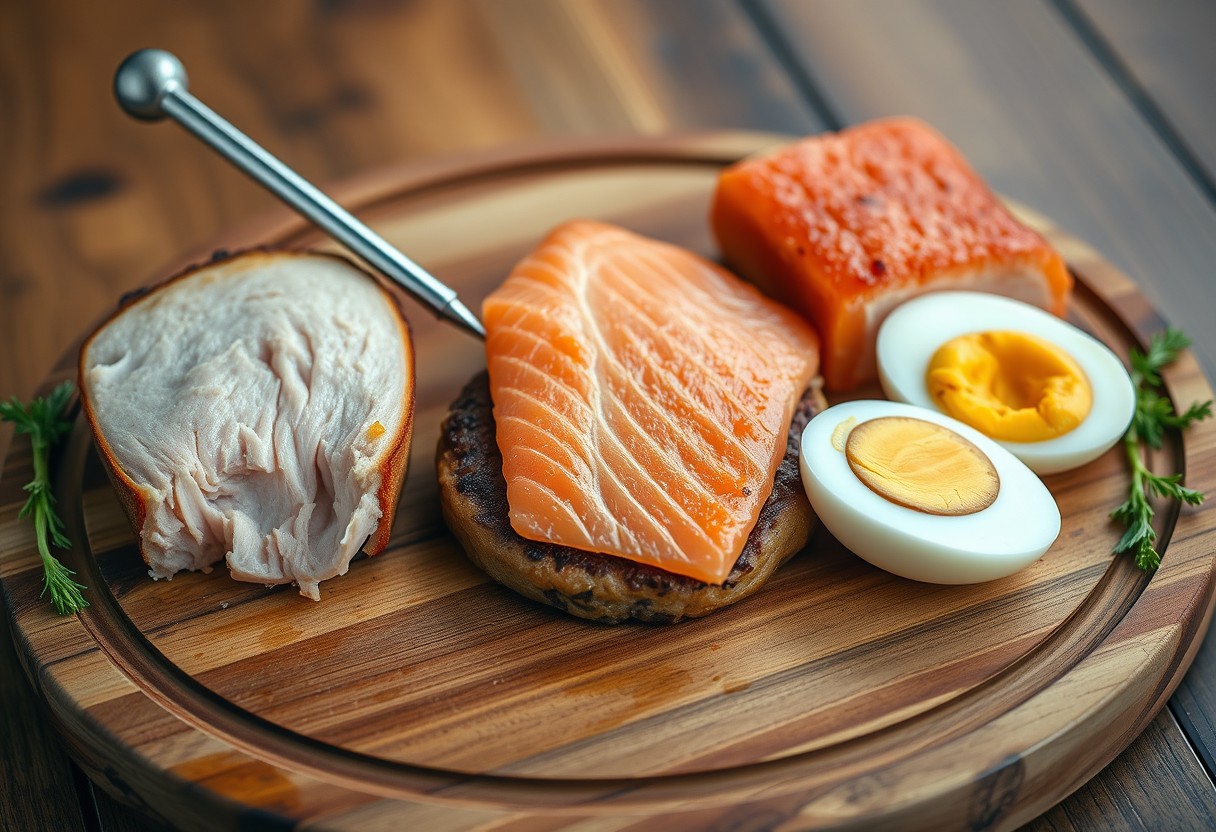
You’ve seen the instruction “cook until done” on countless recipes, but knowing when food is truly safe and ready can prevent illness. Visual cues matter more than cooking time. For meats, color alone isn’t enough-an undercooked chicken breast or ground beef can harbor dangerous bacteria. With fish, vegetables, and grains, texture and appearance signal readiness. You’ll learn exactly what doneness looks like across common foods, ensuring safety and quality every time.
Key Takeaways:
- Ground beef should turn a uniform brown with no pink traces, and the juices should run clear, typically after 6 to 8 minutes of cooking over medium heat.
- Chicken breasts are done when the thickest part feels firm to the touch and a knife tip inserted into the center meets no resistance, usually around 15 to 20 minutes depending on thickness.
- Pasta reaches its ideal texture when it offers slight resistance to the bite-known as al dente-and should never be relied upon by cooking time alone; tasting is the only sure method.
The Carnivore’s Visual Guide
The Blood-Red Lie
Seeing red liquid in your steak doesn’t mean it’s undercooked-most of that fluid is water mixed with myoglobin, not blood. Even well-done cuts can release pink or red juices depending on the cut and storage, so color alone is a misleading indicator. Relying on it may lead you to overcook expensive cuts like ribeye or lamb loin. Instead, understand that true doneness lies beneath the surface, revealed not by hue but by touch and temperature.
The Resilience of Muscle
Your finger can be a more reliable tool than guesswork when judging beef or lamb. Press the meat gently: rare feels soft and yielding, like the fleshy base of your thumb when relaxed; medium offers slight spring, similar to touching your chin. As doneness increases, so does firmness-well-done muscle resists pressure like the tip of your nose. This tactile feedback reflects protein coagulation and moisture loss, giving you real-time insight into what’s happening inside.
The Poultry Pressure Point
The Opaque Standard
When you slice into the thickest part of a chicken breast or thigh, the meat should appear uniformly opaque with no traces of pink. Clear juices flowing from the cut indicate that the internal temperature has reached a safe level, typically around 165°F, which destroys harmful bacteria like salmonella and campylobacter. If the liquid remains pink or tinged with blood, the chicken needs more time. Relying solely on color can be misleading, so combine visual cues with a reliable thermometer for the most accurate result.
The Joint Release
Testing the flexibility of the leg or wing joint offers a practical, hands-on method to assess doneness. Once fully cooked, the connective tissues break down, allowing the limb to move freely when wiggled. A well-cooked chicken will let you twist a leg without resistance, and it should pull away cleanly from the body. If the joint remains stiff or resists movement, return it to the heat-undercooked poultry poses serious health risks.
Secrets of the Deep
The Flake and the Shimmer
You’ll know your fish is ready when the flesh shifts from translucent to opaque and begins to separate easily along the natural lines. Press gently with a fork at the thickest part-the moment it flakes without resistance, it’s done. Overcooking turns delicate fillets dry and tough, so watch closely during the final minutes. A slight shimmer in the center is acceptable; residual heat will finish the process off the flame.
The Curl of the Crustacean
A shrimp or prawn curls as it cooks, and its color transforms from gray-blue to a firm pink-orange. When the body forms a C-shape-not a tight O-the seafood has reached ideal doneness. Overcooked crustaceans turn rubbery, losing their sweet tenderness. Watch the pan closely: this shift happens quickly, often in under three minutes over medium-high heat, especially with smaller varieties.
The Garden’s Breaking Point
Root vegetables hold their ground until the very end, resisting softness with stubborn dignity. You’ll know they’re approaching readiness when a sharp knife slips into their core with little resistance, meeting no crunch, no fibrous drag. Stop testing with a fork-it lies, giving false passes to undercooked carrots or dense turnips. The truth lives in the knife-tip test: a clean glide means starch has surrendered, flavor has deepened, and texture is ready to shine.
The Fork-Tender Illusion
A fork can deceive you, especially with dense vegetables like beets or parsnips that soften on the surface while staying firm at the center. You might think tenderness means done, but the real test happens deeper, where heat travels slowest. Relying on fork tests alone risks biting into a chalky interior. Only a thin knife blade can reach the heart accurately, revealing whether the vegetable has truly transformed from raw to rich.
The Color of Defeat
Dullness in color often signals overcooking-once vibrant carrots turning pallid, golden beets fading to beige. When you see this washout, know that texture has likely followed, slipping from firm-sweet to mush. Perfectly cooked roots retain their hue with a slight resistance, yielding just enough to the knife without collapsing. Watch the color as closely as the feel; both are silent but honest messengers of doneness.
The Starch Survival Guide
The Al Dente Core
When testing pasta or grain like farro and barley, press a piece between your fingers or bite into it with attention. You’re aiming for a slight resistance at the center-a tender firmness that yields without crunch. Overcooked starch turns to mush and spikes blood sugar faster, while undercooked remains chalky and indigestible. For dried pasta, this sweet spot usually arrives in the last minute of the package’s suggested range. Trust your teeth over the timer every time.
The Steam and Absorption
After removing grains like rice or quinoa from heat, let them sit covered for 10 minutes so residual steam finishes the job evenly. Lifting the lid too soon releases essential moisture and risks undercooking, leaving you with uneven, gritty results. During this rest, the starches set and absorb remaining liquid fully. You’ll know it’s ready when each grain stands distinct, not clumped or swimming, with no raw bite at the center.
Conclusion
You now know how to recognize when common foods are truly done without relying on vague instructions. A steak’s resistance tells you more than a timer ever could, while chicken’s opaque interior and clean juices confirm safety. Fish turns pearly and flakes with gentle pressure, and vegetables lose their raw bite but keep their color. Even starches reveal readiness through texture and appearance. You trust your senses because cooking isn’t about rules-it’s about observation, practice, and confidence in what you see, touch, and smell at the stove.
FAQ
Q: How do I know when ground beef is fully cooked?
A: Ground beef changes from red to brown throughout, with no pink or red juices visible. The texture becomes more crumbly and separates easily when stirred. Cooking typically takes 8 to 10 minutes over medium heat, depending on the quantity. The safest method is checking with a food thermometer: the internal temperature should reach 160°F (71°C) to ensure harmful bacteria like E. coli are destroyed.
Q: What does “done” look like for a chicken breast?
A: A fully cooked chicken breast turns opaque white from edge to center, with firm but slightly springy flesh when pressed. The juices run clear, not pink or red. If you’re cutting into it, the center should have no trace of pink. For accuracy, insert a thermometer into the thickest part; it should read 165°F (74°C). Overcooked chicken becomes dry and stringy, so timing and temperature control matter.
Q: How can I tell when fish is properly cooked?
A: Raw fish is translucent and soft; when done, it turns opaque and flakes easily with a fork. For fillets like salmon or cod, start checking near the thickest part after 6 to 8 minutes of cooking. The flesh should separate along the natural lines but still hold together. Some fish, like tuna, can be seared on the outside and rare inside if preferred, but for full doneness, aim for 145°F (63°C) at the center.
Q: What’s the visual sign that pasta is done?
A: Al dente pasta is tender but still firm to the bite, with a slight resistance in the center. It should not be crunchy or mushy. When you cut or stretch a strand, it breaks cleanly without a white, starchy core. Cooking time varies by type and thickness, but most dried pastas take 8 to 12 minutes in boiling water. Always taste test, since color and texture are better indicators than the clock.
Q: How do I know when potatoes are cooked through?
A: Boiled or roasted potatoes are done when a fork or knife slides into the center with little resistance. For mashed potatoes, this means they break apart easily. Roasted potatoes develop a golden crust and yield softly when pressed. If you’re frying potato slices, they stop bubbling vigorously in the oil when most water has evaporated, indicating they’re cooked inside. Undercooked potatoes feel dense and starchy in the middle.