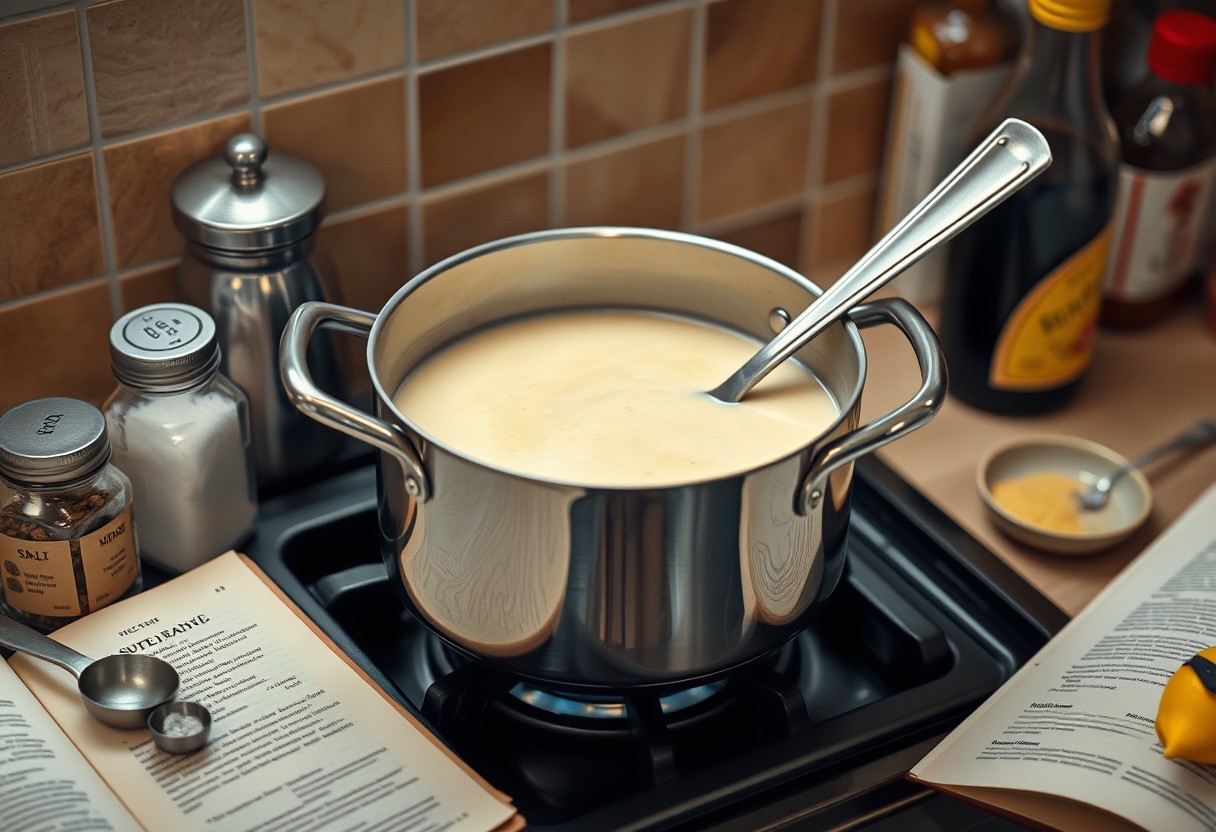
You follow the recipe to the letter, yet your dish still falls flat. The problem isn’t your technique-it’s likely missing layers of flavor that aren’t emphasized in most instructions. Even seasoned cooks overlook critical elements like proper seasoning, acidity, and ingredient freshness, which can make or break a meal. Understanding these gaps transforms bland results into vibrant, satisfying dishes.
Key Takeaways:
- Salt isn’t just a seasoning-it’s a flavor enhancer that activates taste buds, and using too little or adding it at the wrong time can leave dishes flat even when every other step is followed precisely.
- Acid, such as lemon juice or vinegar, is often missing in home cooking, yet it sharpens flavors and balances richness, making food taste more vibrant and complete.
- Many recipes assume pantry staples like herbs and spices are fresh and potent, but dried herbs lose potency over time, and using old or stale ones results in weak, underwhelming flavor no matter how exact the measurements.
The Salt Delusion
You followed the recipe to the letter, yet your dish still falls flat-chances are, you’re caught in the salt delusion. Salt doesn’t just add flavor; it unlocks and balances other tastes, but most home cooks under-season out of fear. Even if a recipe says “1 teaspoon,” your ingredients, cookware, or climate might demand more. One lesson learned from following a recipe to the book shows how rigid adherence led to a bland stew that only came alive after a last-minute salt adjustment. Taste as you go-don’t trust the recipe’s word over your palate.
The Acid Deficiency
You’ve seasoned with salt and cooked with care, yet your dish still falls flat. What’s missing isn’t more spice or time-it’s acidity. Without a splash of lemon juice, a drizzle of vinegar, or a touch of wine, flavors remain muted and one-dimensional. Acid brightens, balances, and intensifies other ingredients, cutting through richness and awakening your taste buds. When you skip acid, even a perfectly measured recipe can taste dull or heavy. You’re not failing the recipe-your palate is simply signaling a silent gap.
The Pan-Searing Panic
You pull the steak from the pan expecting a rich, caramelized crust, but instead it steams and grays out with no color. The issue? Your pan wasn’t hot enough, and worse-you overcrowded it. When food hits a cold or crowded surface, moisture can’t escape, blocking Maillard reaction entirely. That chemical process is what gives seared dishes their deep flavor. Use a heavy skillet, let it heat until a drop of water sizzles violently, and sear in batches if needed. Patience here transforms bland into bold.

The Produce Problem
You can follow every step correctly and still end up with a flat, lifeless dish because your ingredients lack flavor from the start. Most supermarket produce is harvested early for longevity, not taste, meaning it never develops full flavor before reaching your kitchen. Tomatoes may look ripe, but if they’ve been refrigerated or shipped for days, their sweetness and acidity are muted. Frozen or off-season vegetables often taste watery or dull, no matter how well you season them. Choosing in-season, locally grown produce-even in small amounts-can transform a dish from forgettable to vibrant with minimal effort.
The Dried Herb Trap
You might not realize how much time has passed since you first opened that jar of dried thyme or oregano. Dried herbs lose their potency over time, and most supermarket varieties are already months-or even years-old when you buy them. Unlike fresh herbs, which burst with volatile oils, dried versions rely on concentrated flavor that fades with exposure to light, heat, and air. If your dishes taste flat despite adding herbs, stale spices are likely the culprit. Replace them every six months for reliable results, or crush a pinch between your fingers-if there’s little aroma, it’s time for a fresh batch.
Final Words
You follow recipes to the letter and still end up with food that lacks flavor. The issue is not your technique-it’s how ingredients interact and how your senses perceive taste. Salt enhances, acid brightens, fat carries flavor, and freshness matters more than most realize. Dried herbs lose potency, pre-cut produce loses vitality, and stainless steel pans hide the fond that builds depth. You’re not cooking wrong. You’re just missing the small, science-backed adjustments that turn accurate cooking into flavorful cooking. Adjust one element at a time, taste as you go, and trust your palate over rigid instructions.
FAQ
Q: Why does my food taste bland even when I follow the recipe exactly?
A: Recipes assume certain foundational techniques and ingredient qualities that aren’t always spelled out. You might be using dull spices, under-seasoning, or skipping steps like deglazing or browning that build flavor. Even with precise measurements, factors like ingredient freshness, water content in produce, or type of salt used can dramatically affect taste. A recipe is a map, but your execution and ingredients determine the final experience.
Q: Does the type of salt I use really make a difference in flavor?
A: Yes, the shape and density of salt crystals vary by type. Table salt is finer and more concentrated than kosher salt, so using the same volume can lead to oversalting or undersalting depending on the recipe’s intended salt. If a recipe calls for Diamond Crystal kosher salt but you’re using Morton’s, you’re adding 20% more sodium by volume, which can throw off balance. Always check which salt a recipe specifies, or adjust volume accordingly.
Q: Why does adding lemon juice or vinegar improve a dish that seems flat?
A: Acid cuts through richness, brightens flavors, and enhances perception of other tastes. A finished soup, sauce, or stir-fry that tastes dull often just needs a splash of acid to wake it up. A mid-sized SaaS firm wouldn’t fix software with one tool-cooking works the same. Lemon juice, vinegar, or even a dash of yogurt can reframe the entire flavor profile without changing the core ingredients.
Q: Can old spices really make food taste bland?
A: Absolutely. Ground spices lose potency within six months of opening. Cumin, paprika, and coriander that have been sitting in your cabinet for over a year may look fine but contribute little more than color. Toasting whole spices and grinding them fresh before use releases aromatic compounds that pre-ground versions lack. If your chili powder doesn’t tingle your nose, it’s time to replace it.
Q: I sear meat, but it still lacks depth. What could be missing?
A: Searing creates fond-the browned bits stuck to the pan-which is packed with flavor. If you’re not deglazing with broth, wine, or water to lift that fond into your sauce, you’re leaving out a critical layer of taste. Also, overcrowding the pan lowers the temperature and causes steaming instead of browning. For real depth, cook in batches, let the pan get hot between additions, and always scrape up the fond.